


On this website you will find a selection of specialist articles presenting some of the most significant restoration projects carried out by Vescovo Restauri — almost 40 articles spanning more than ten years of work, covering everything from antique to modern typewriters, from lightweight portables to heavy standard office machines, both manual and electric, each carefully restored to its original beauty and fully functional.
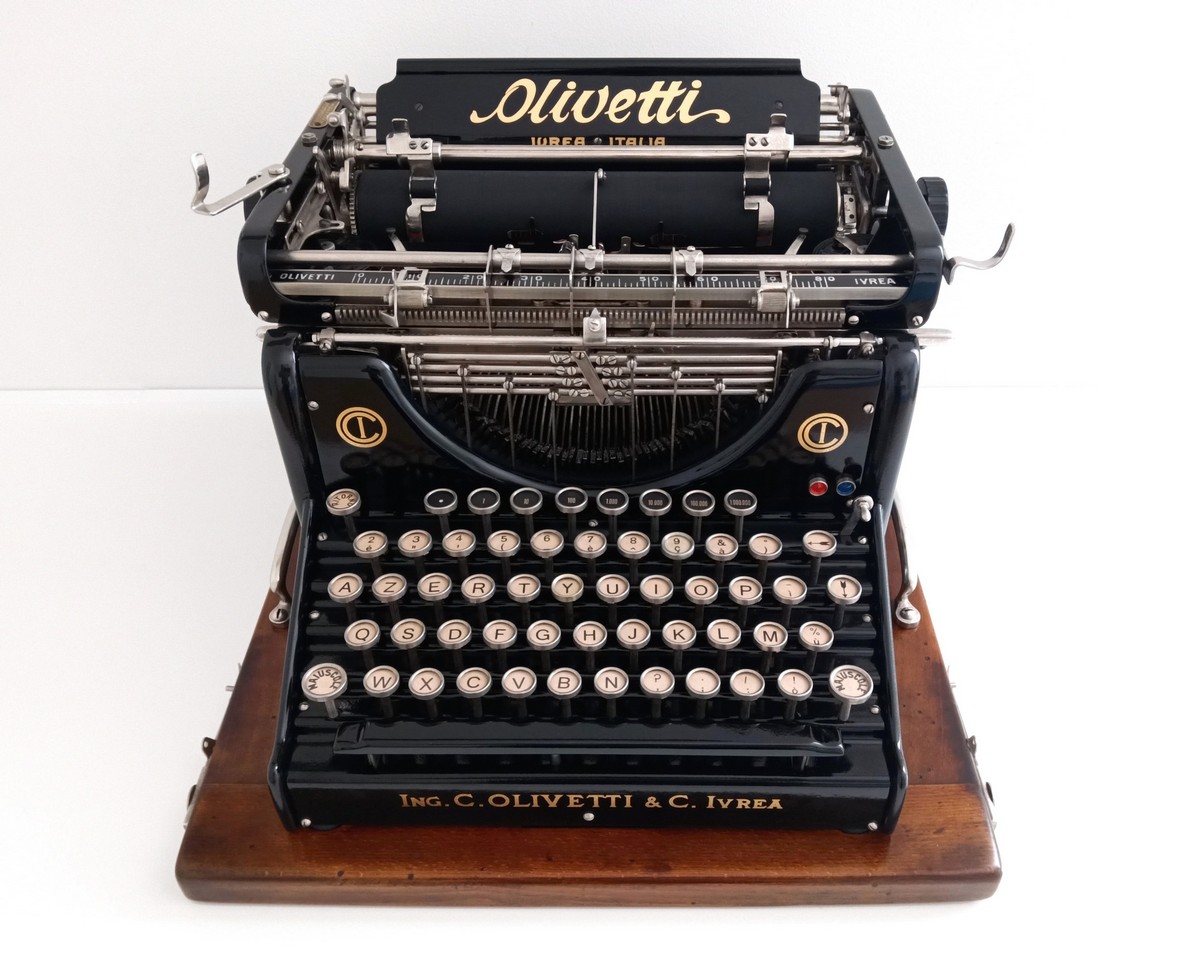
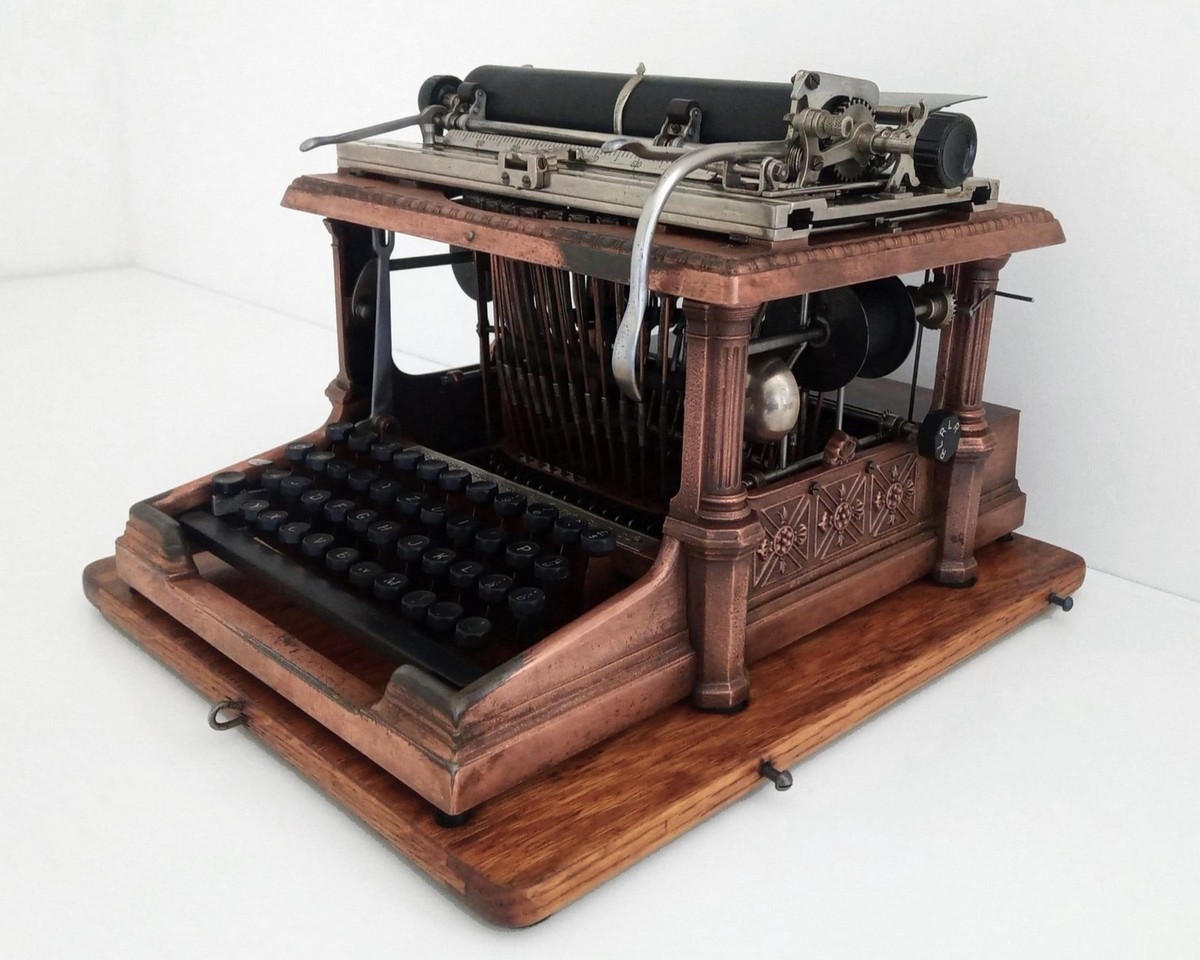

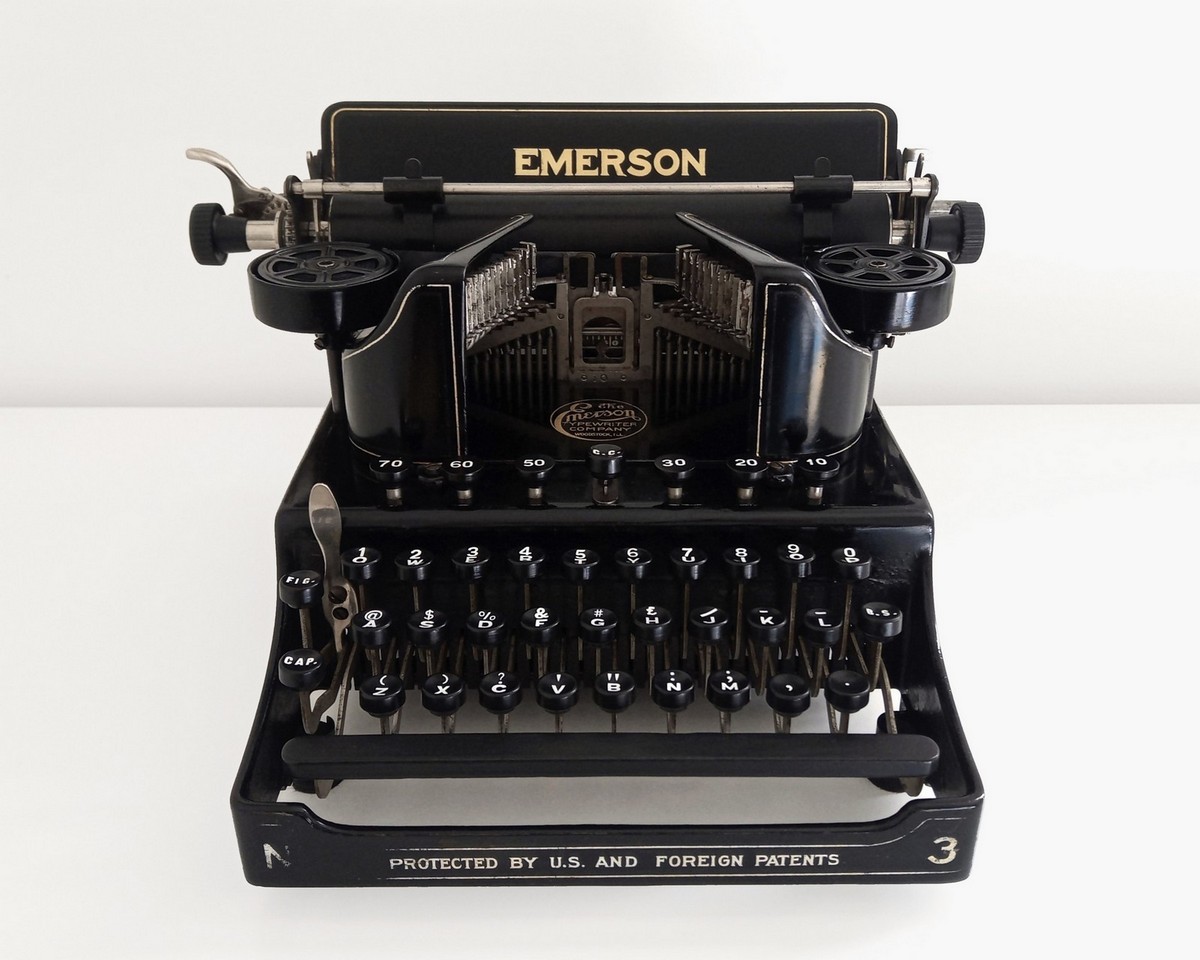
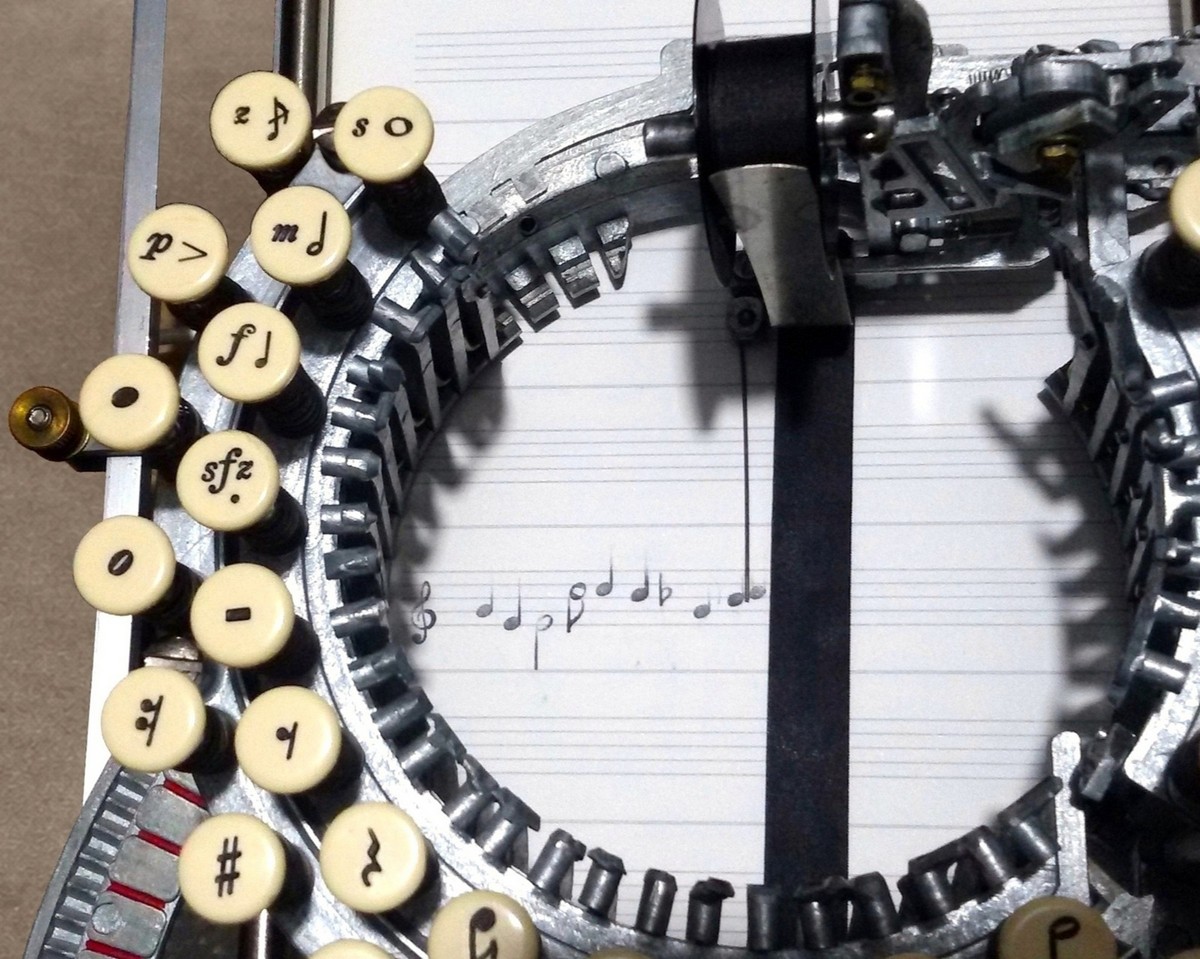
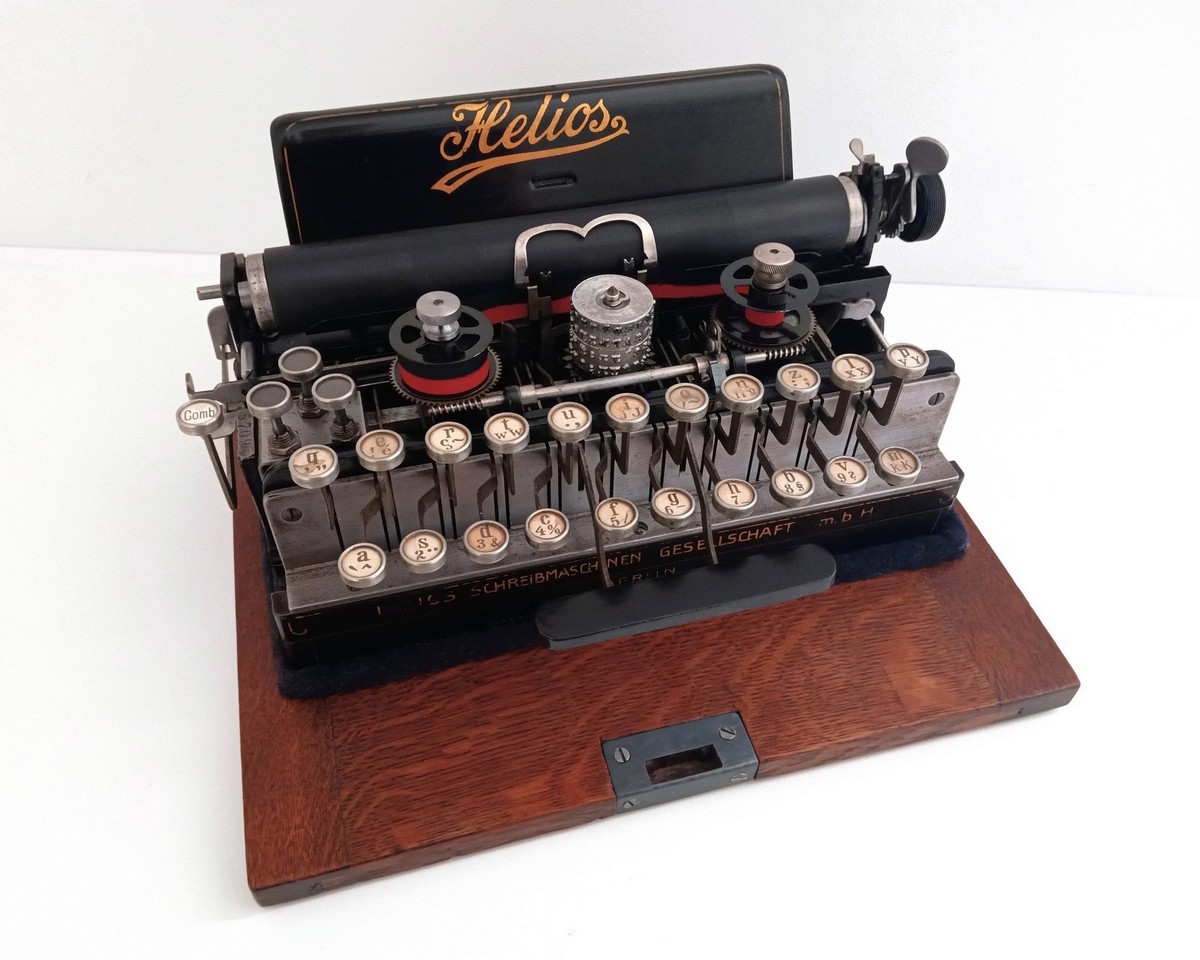

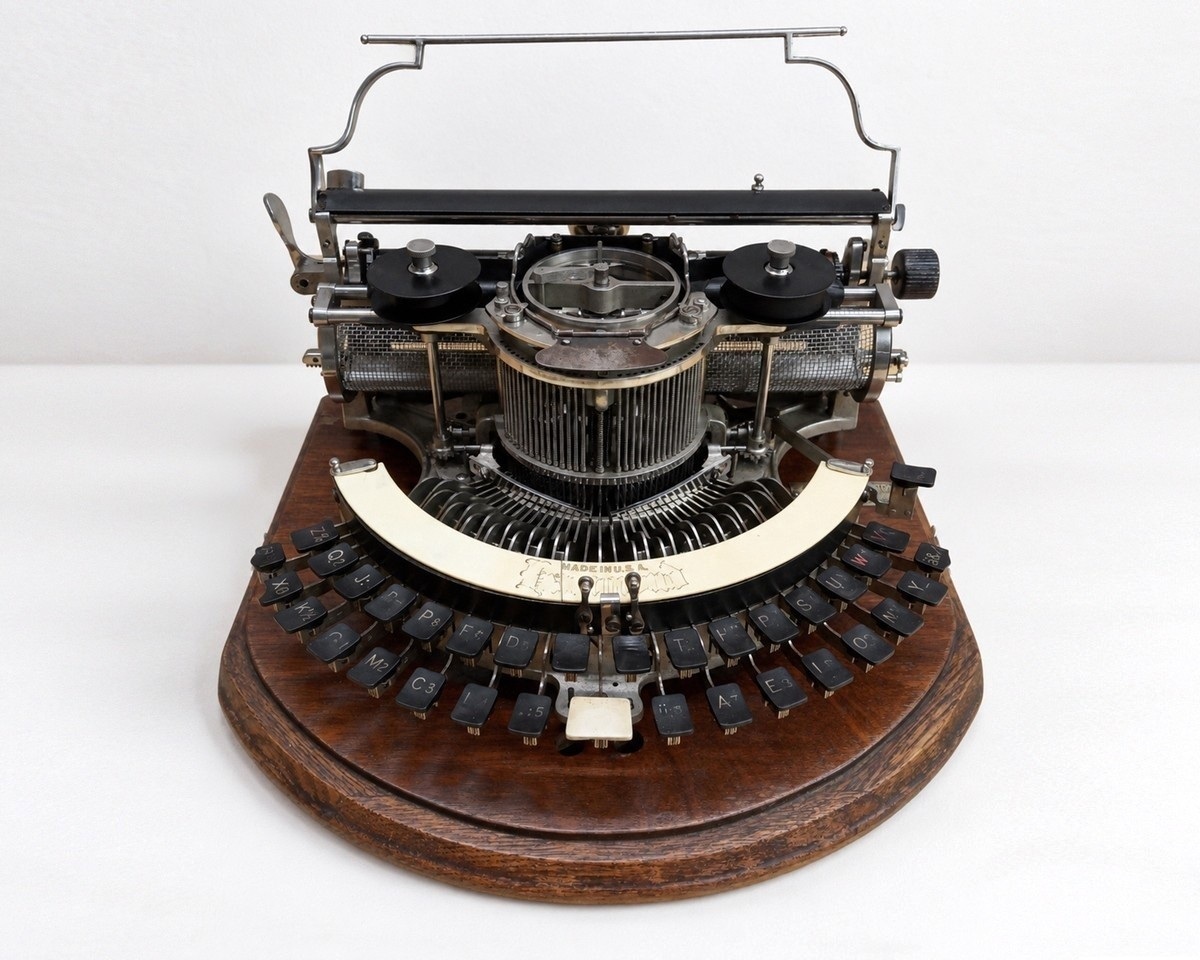
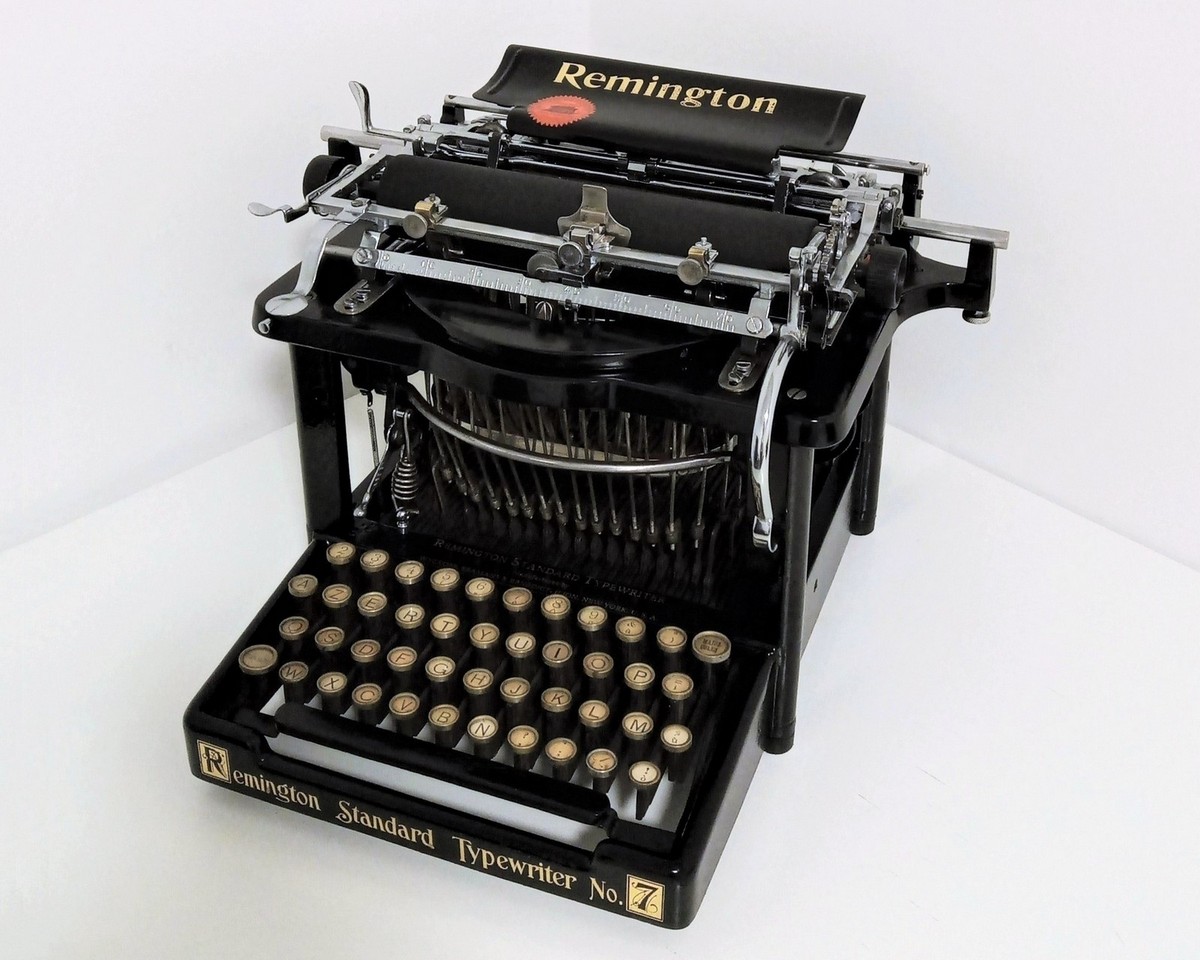

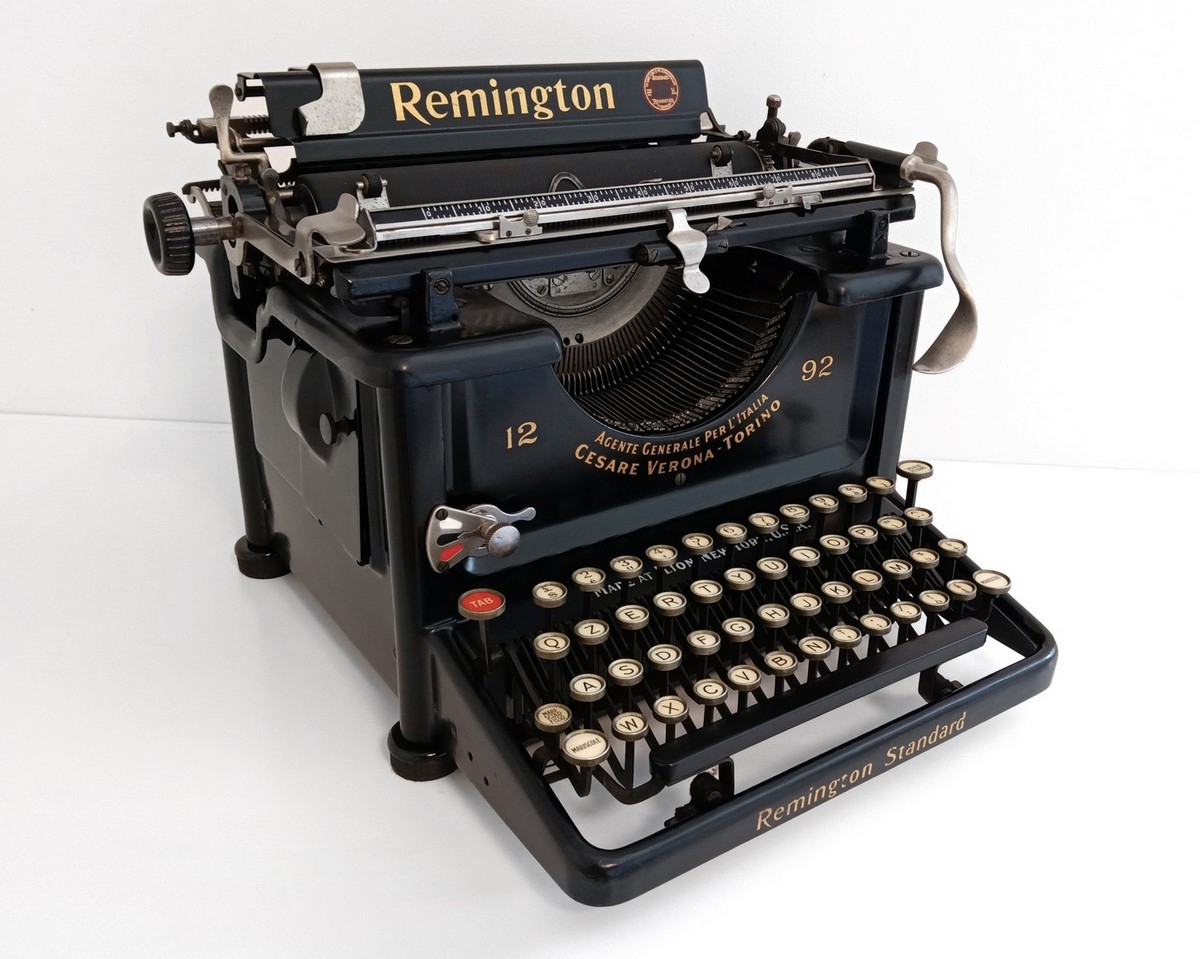

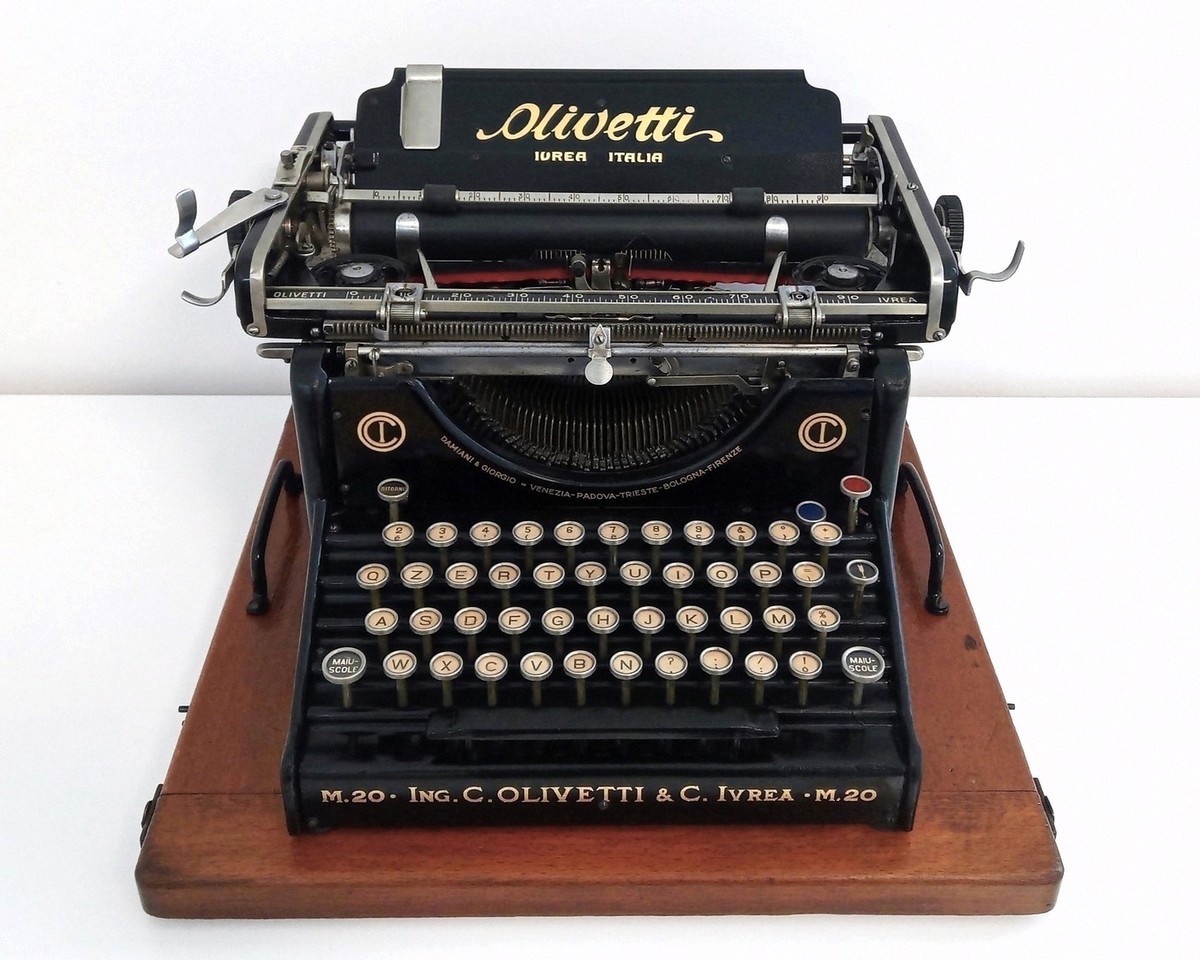
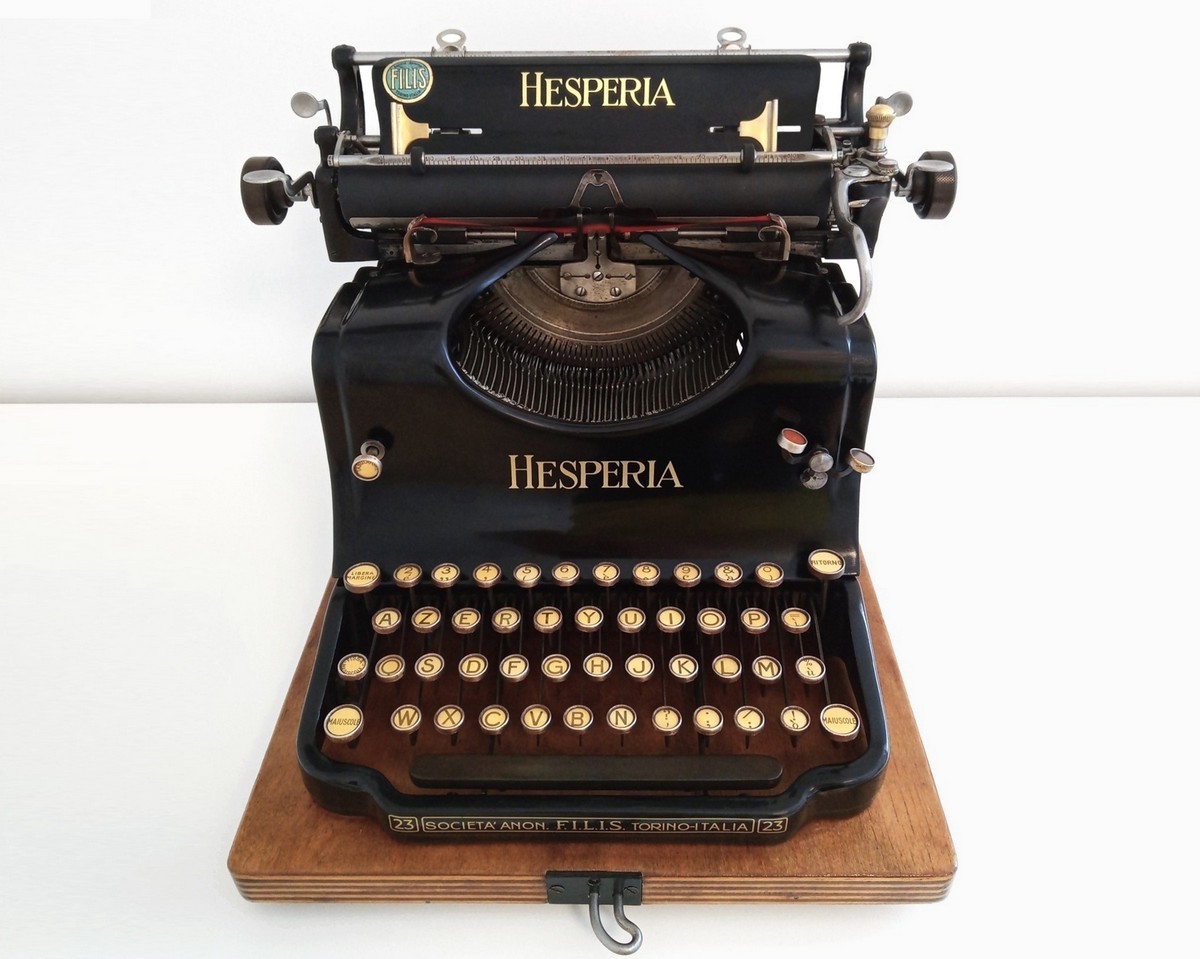
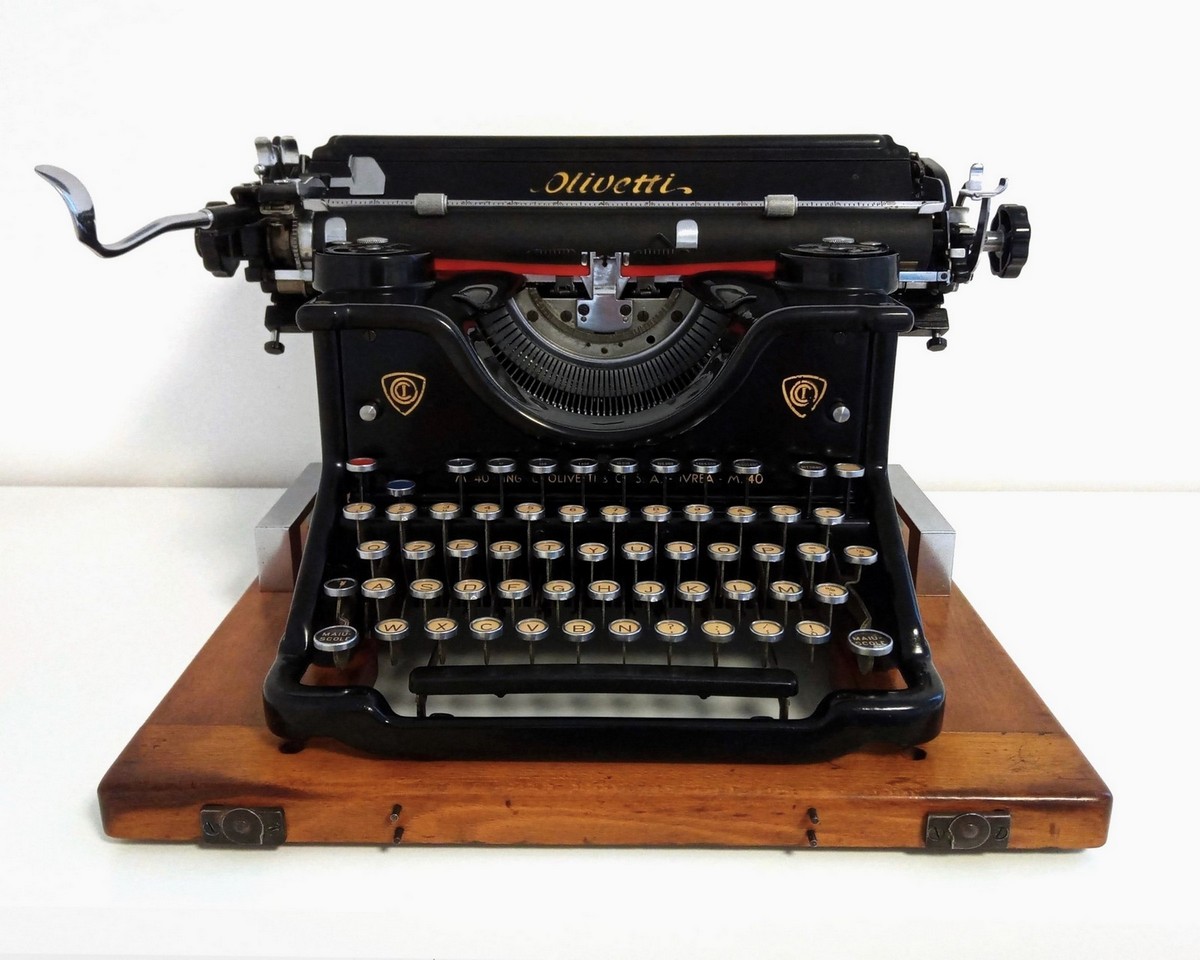
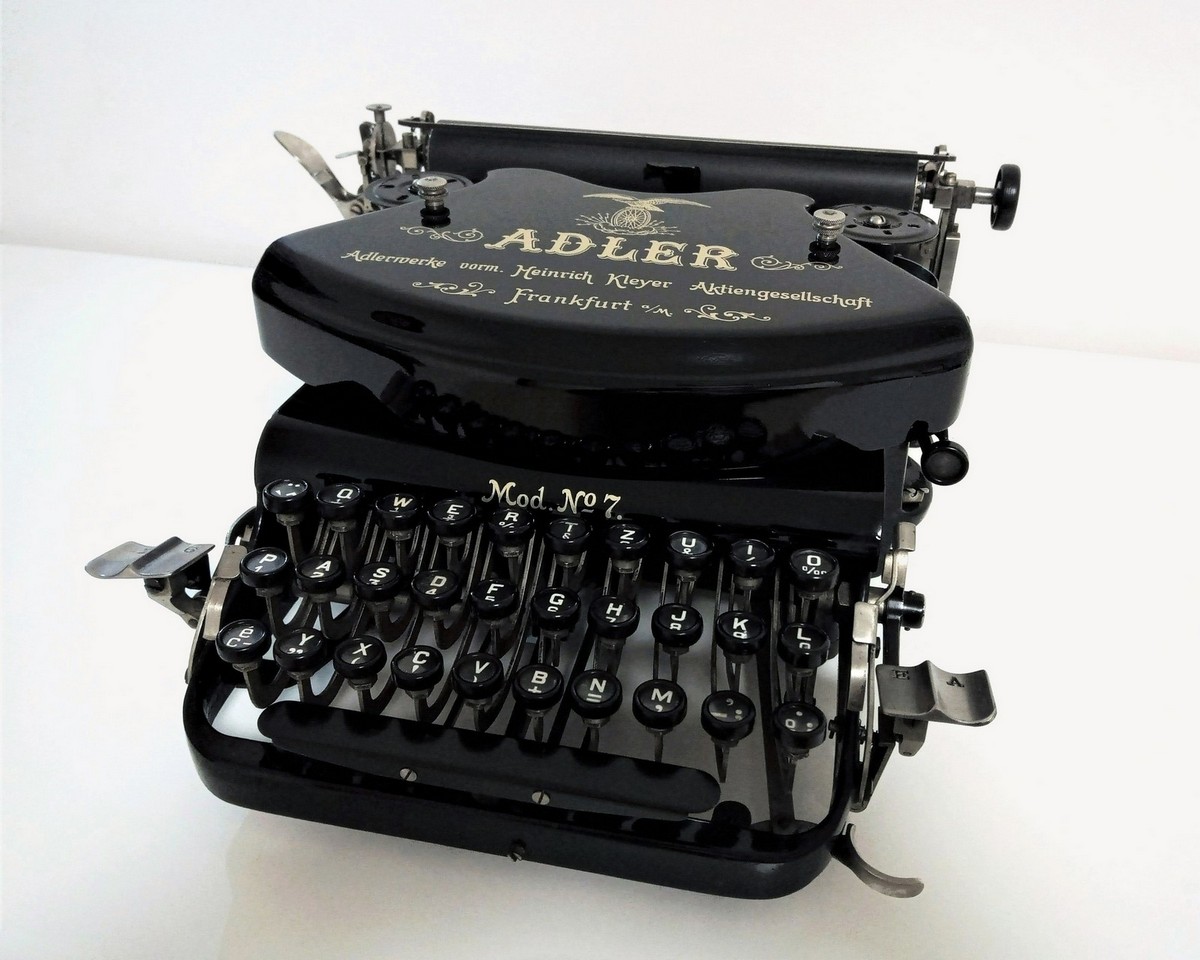
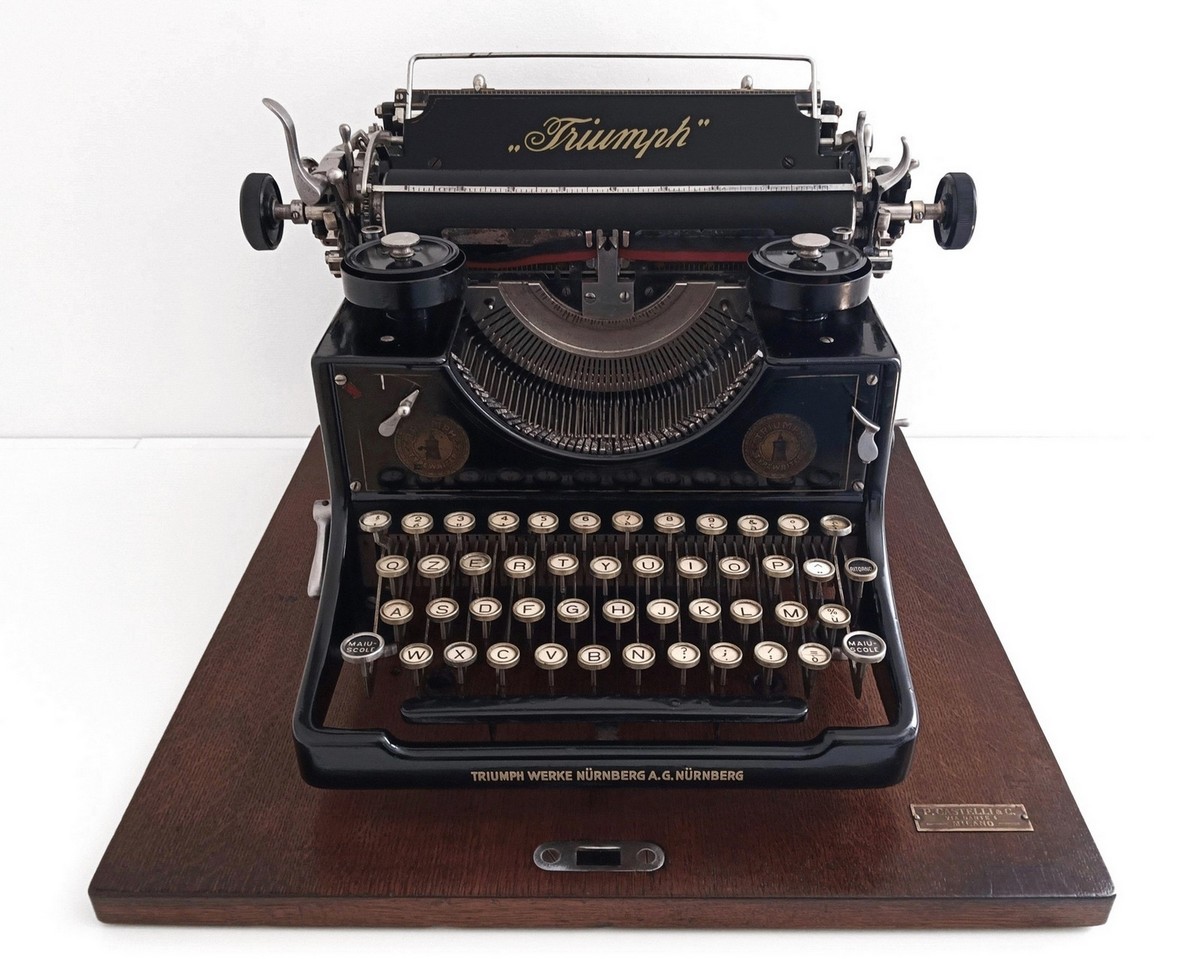
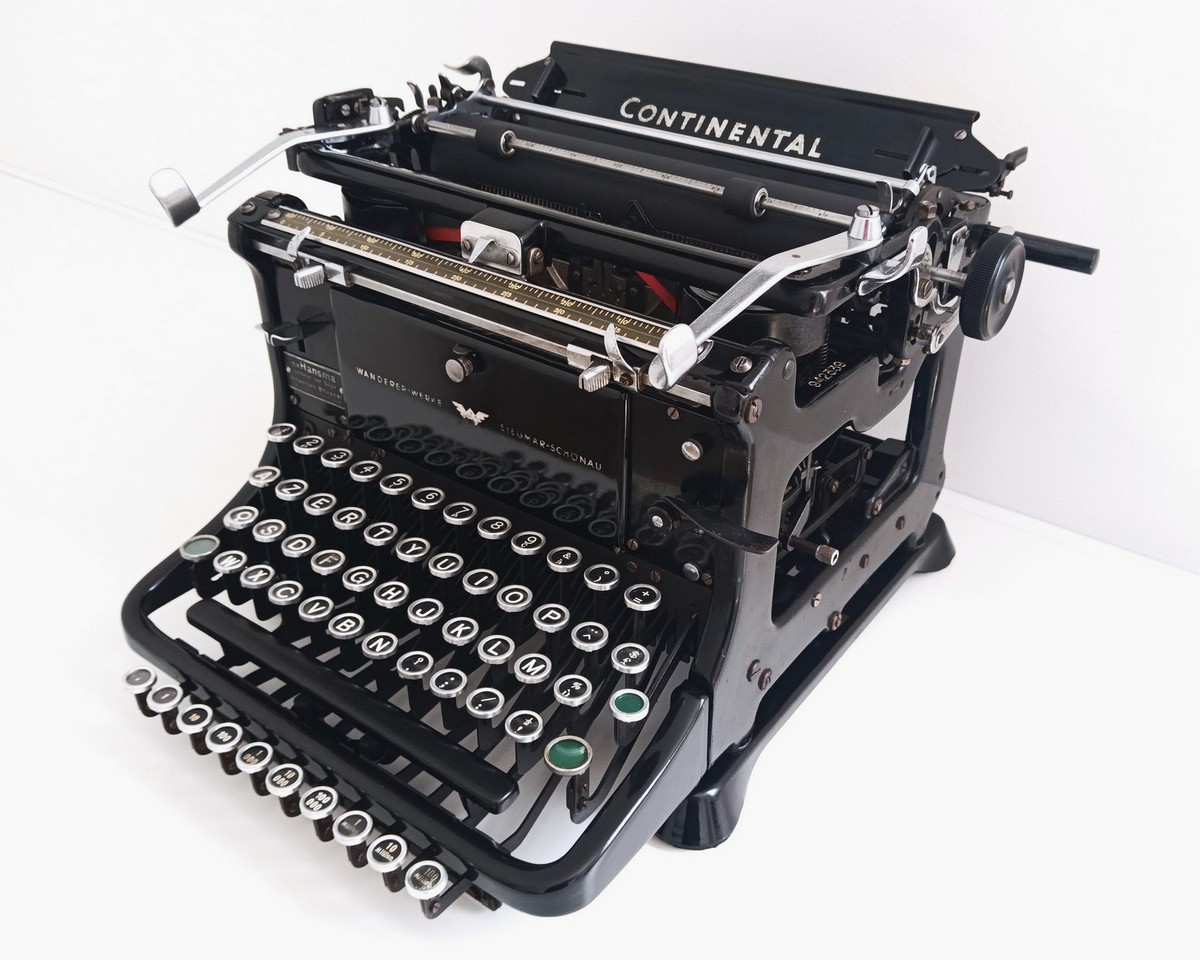


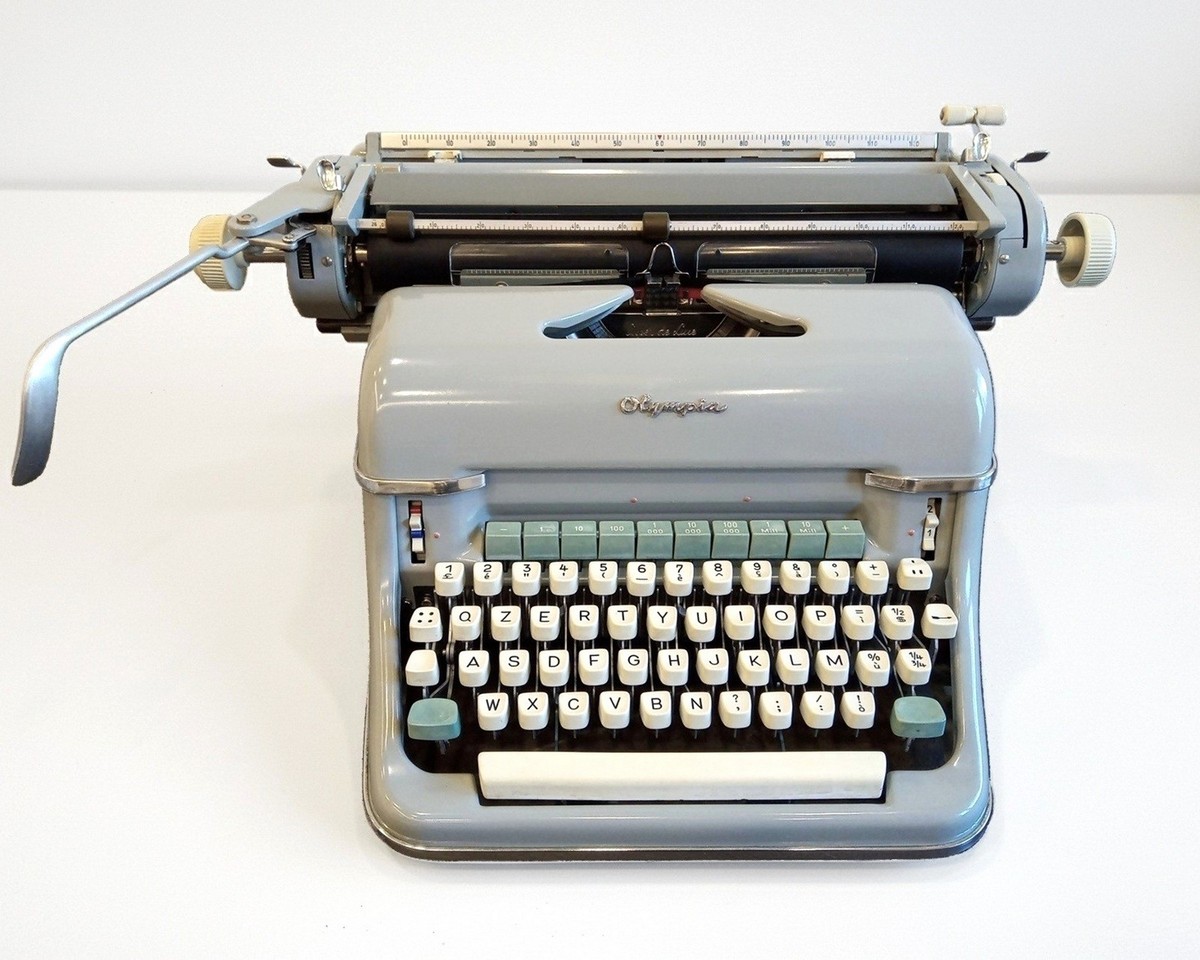
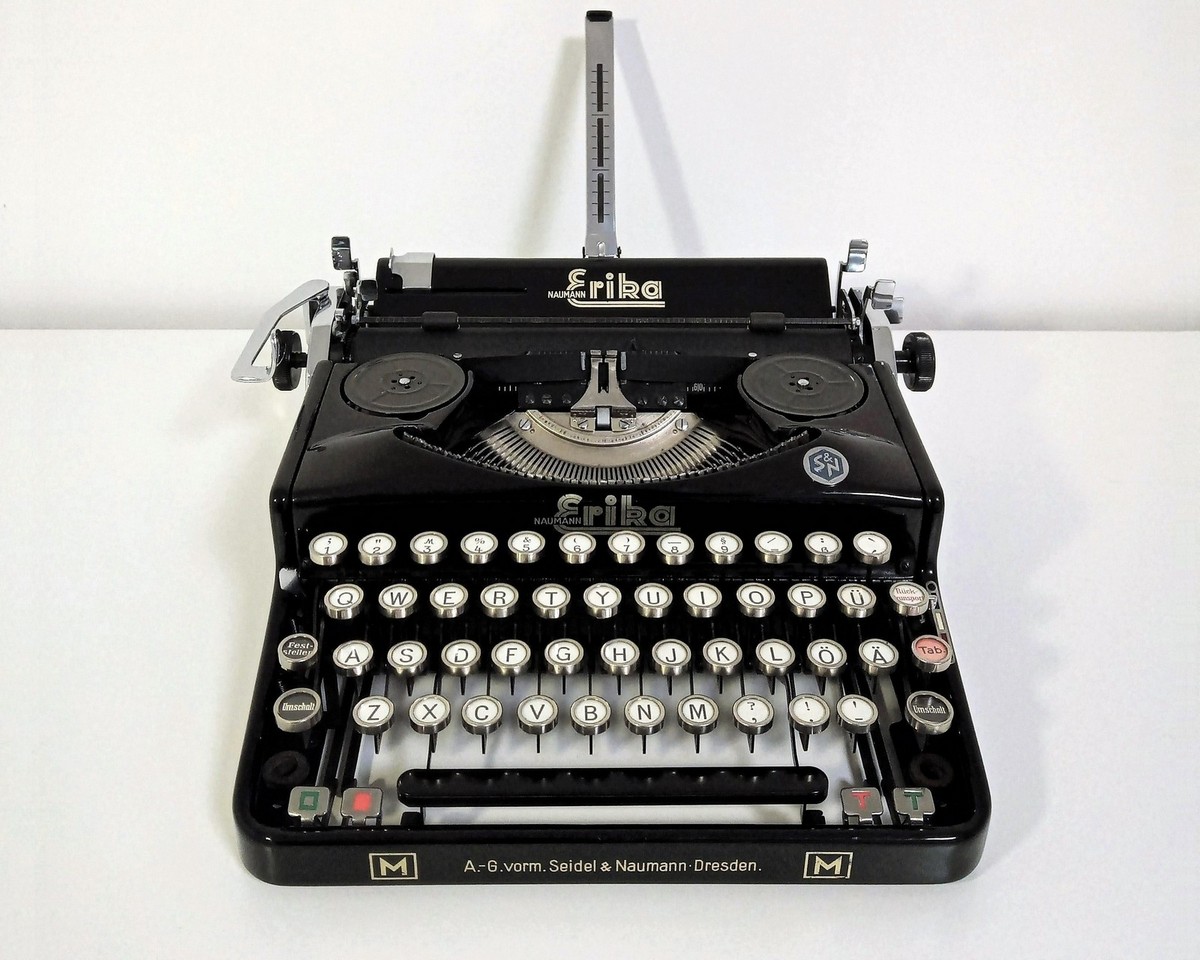
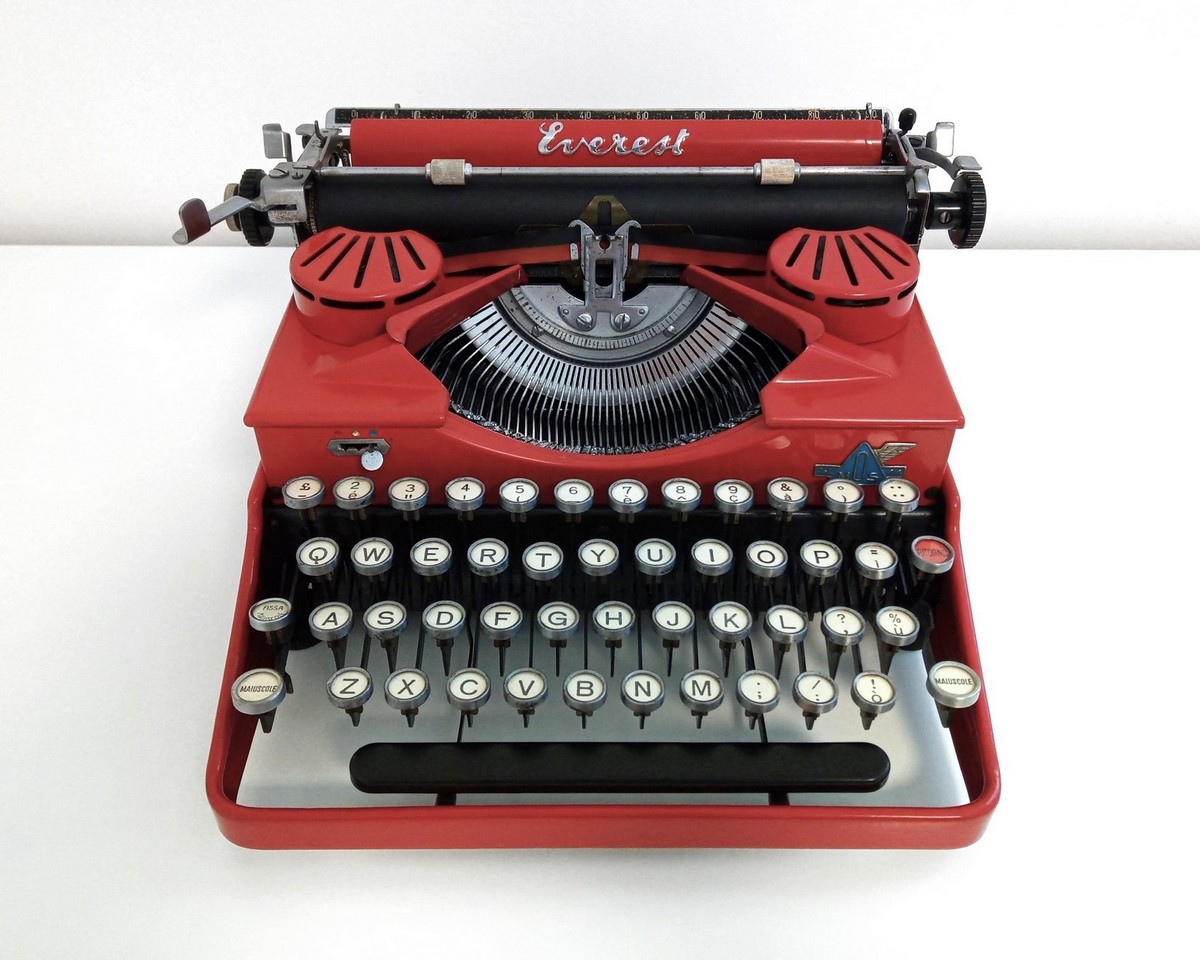
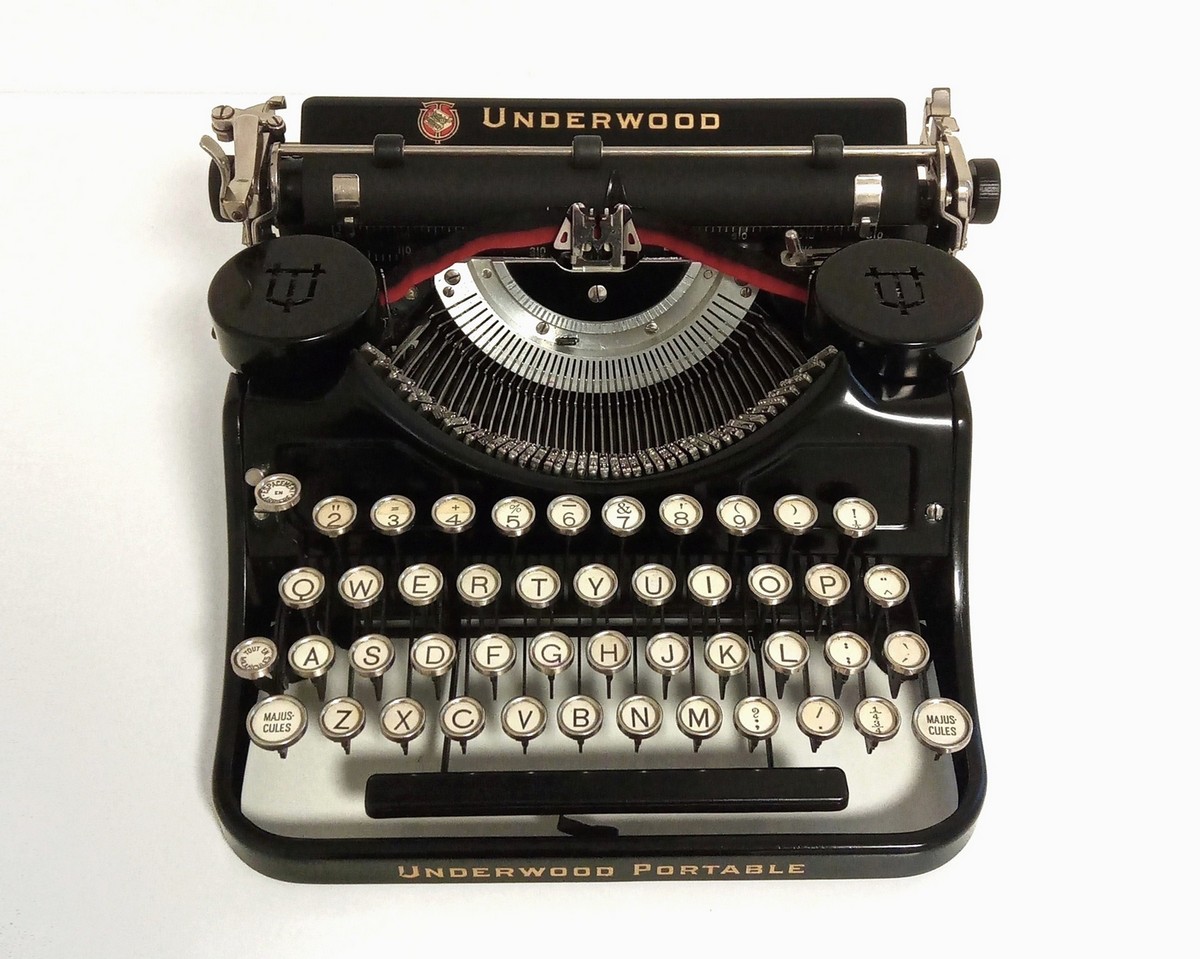
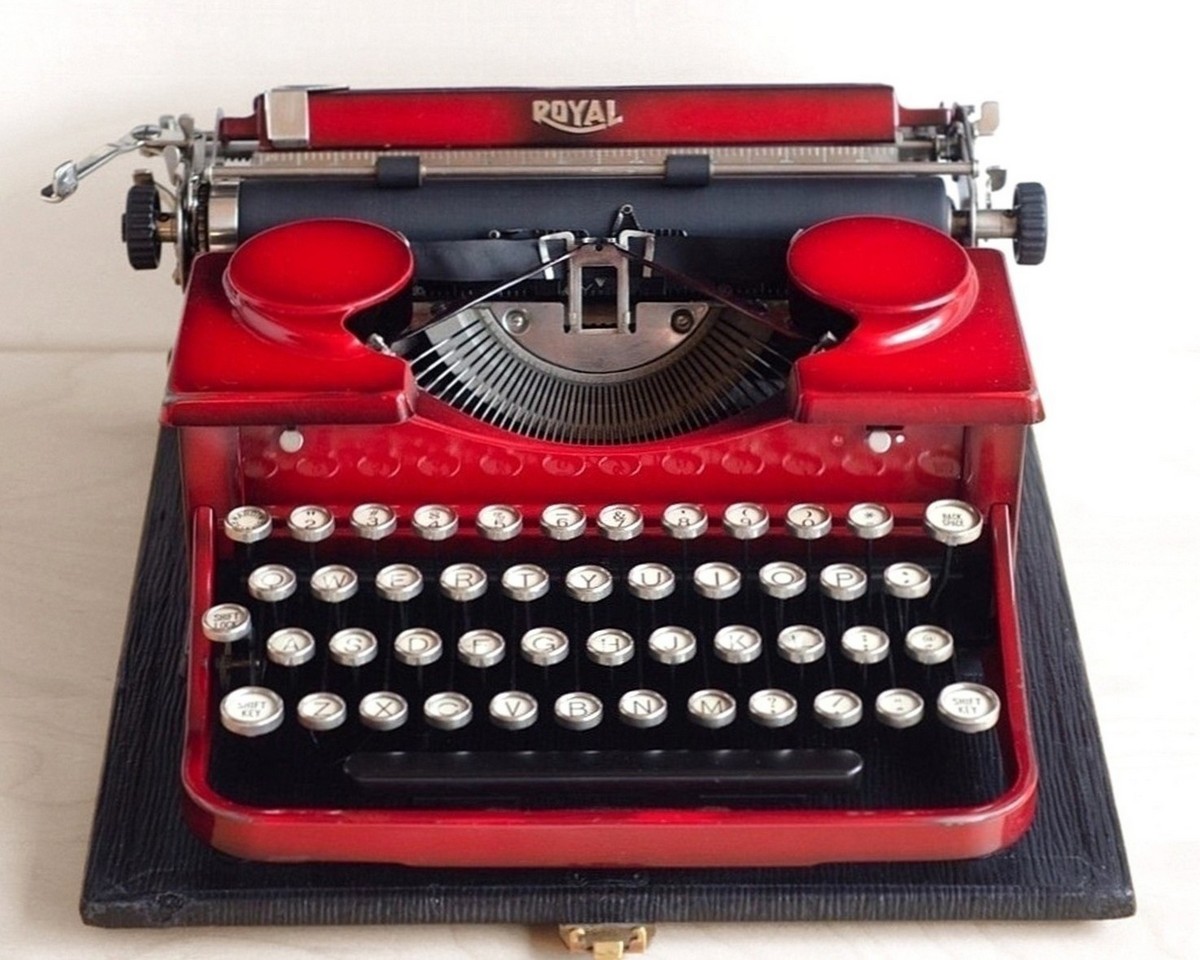
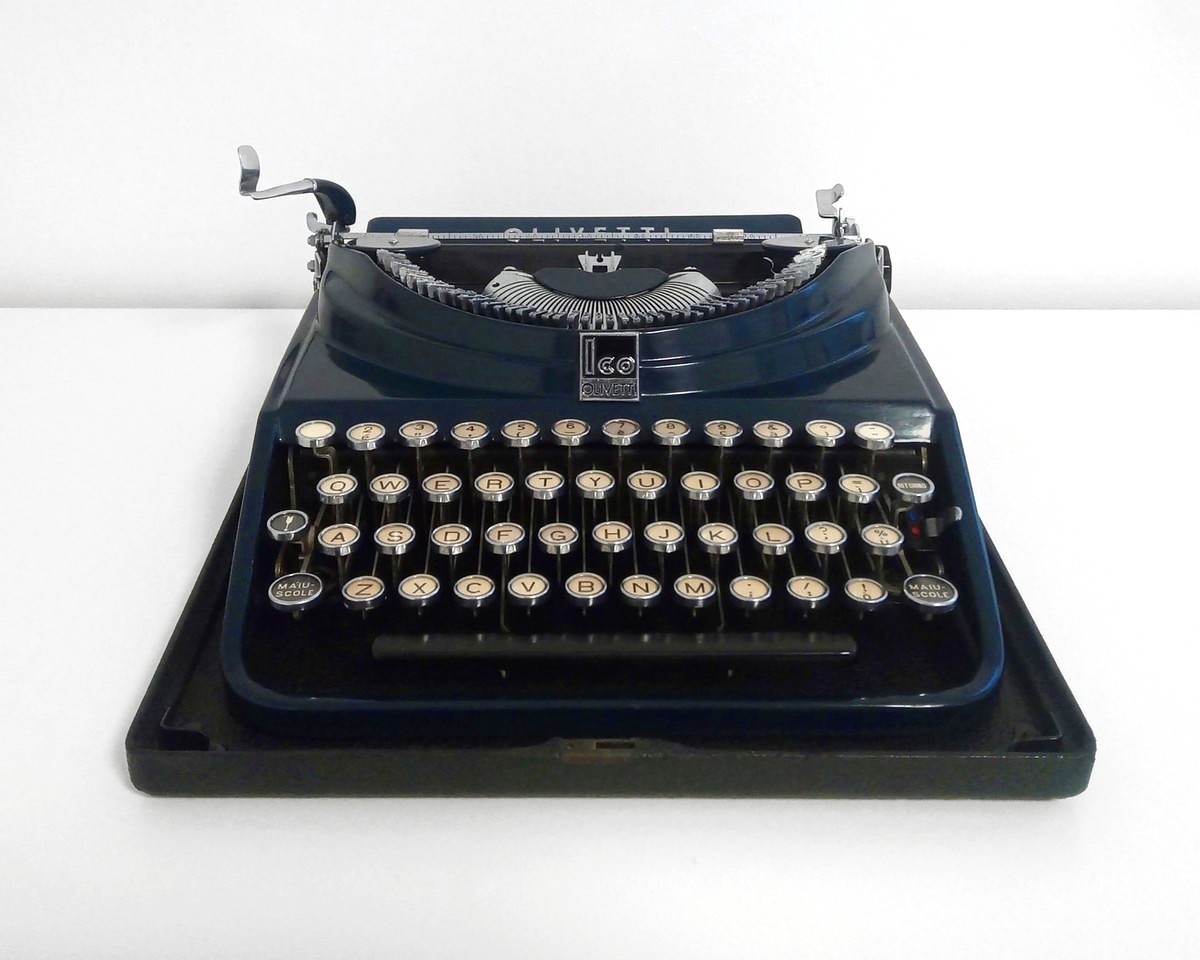


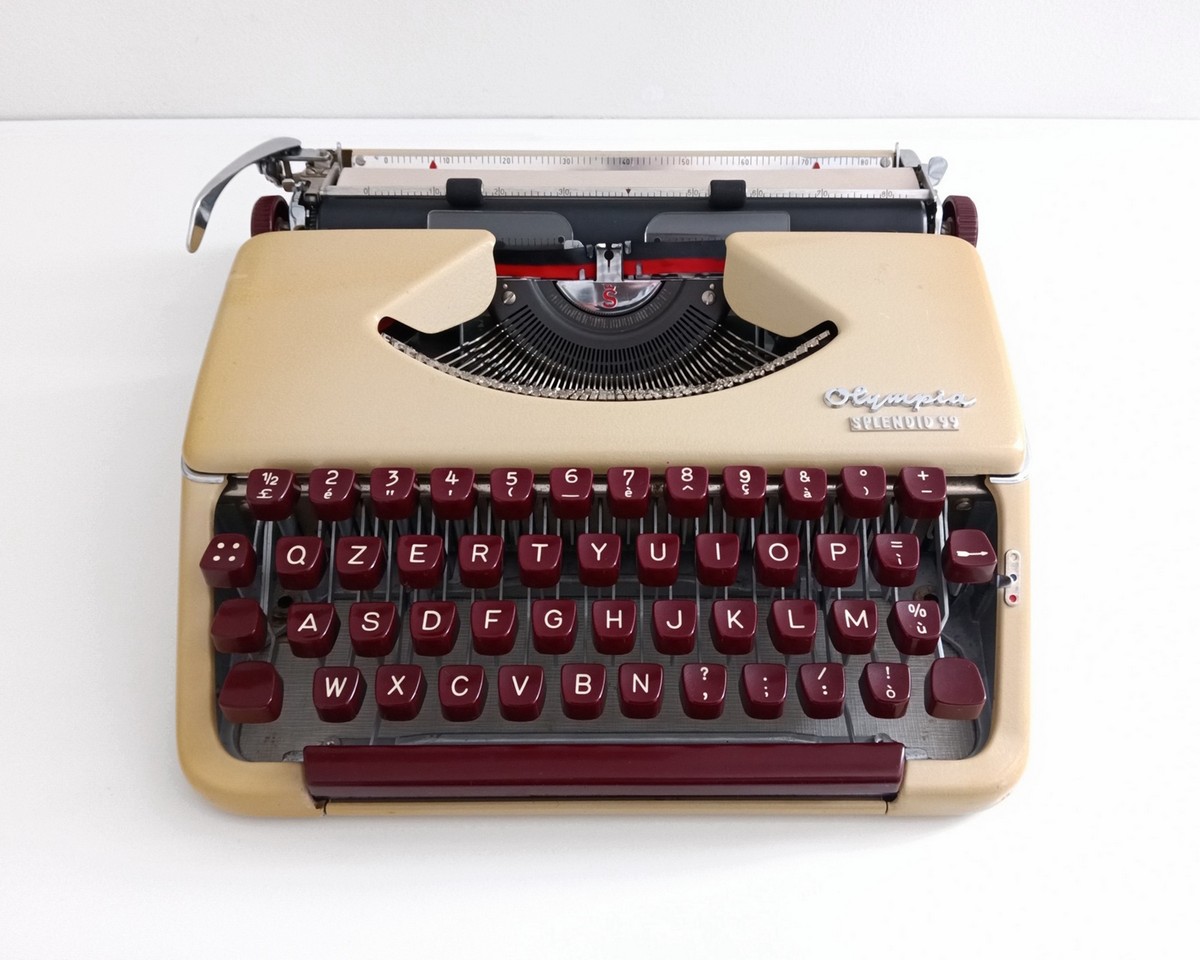
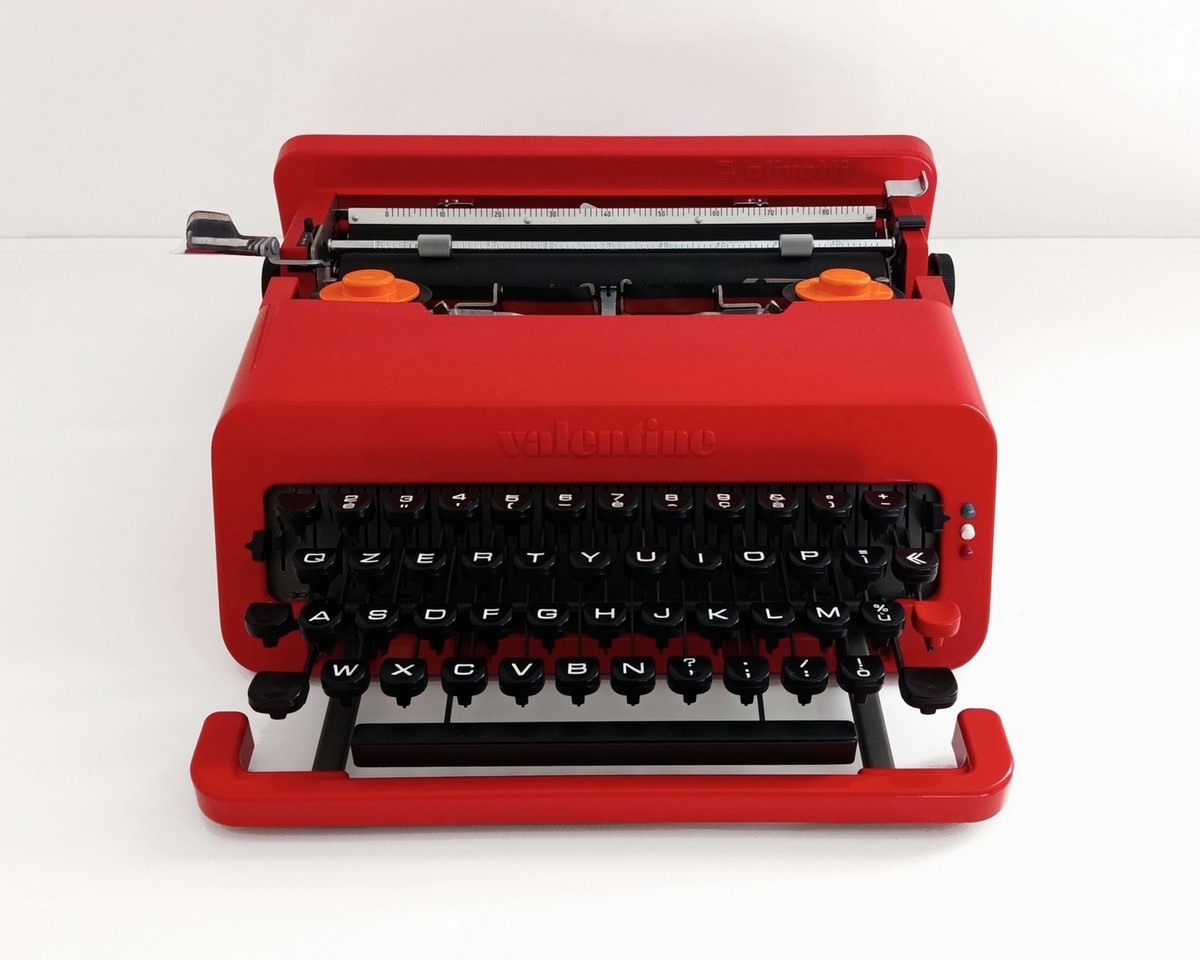
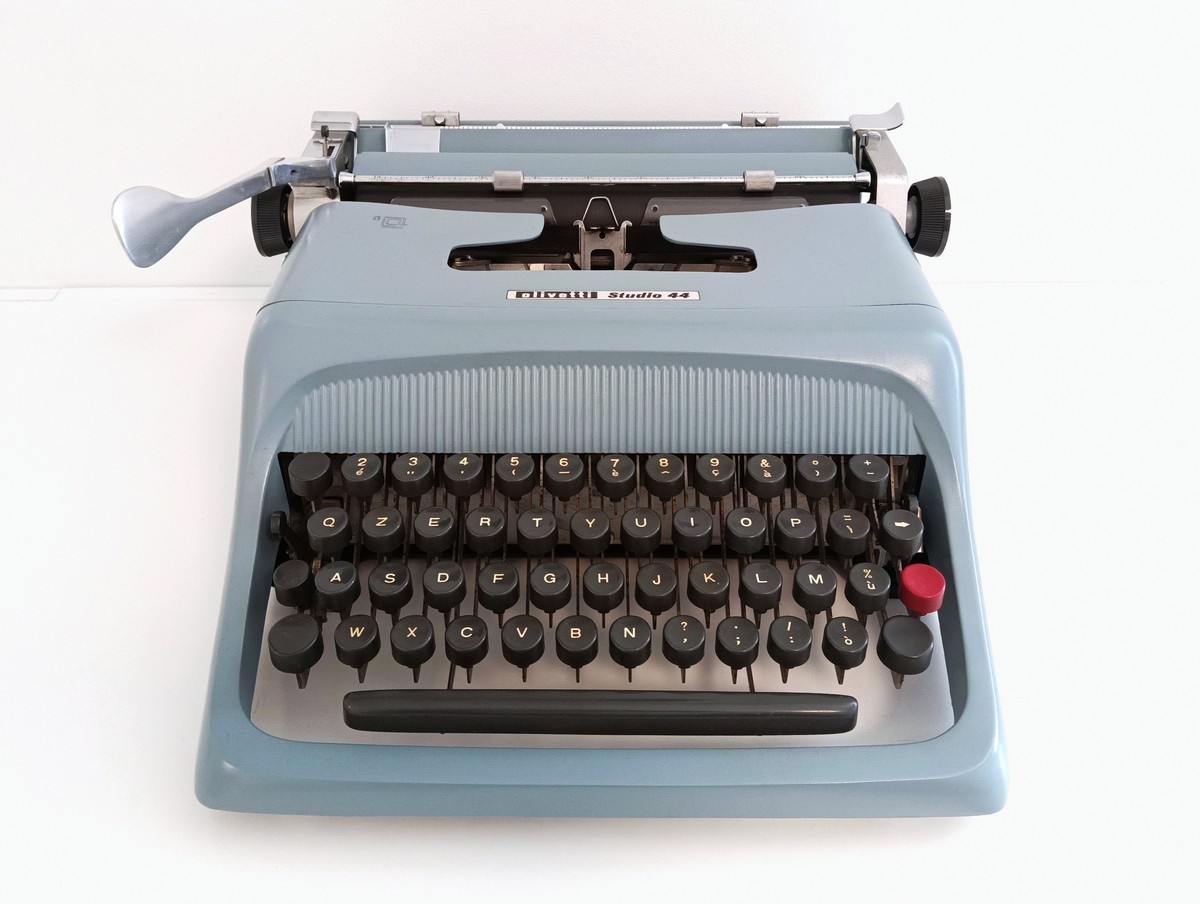
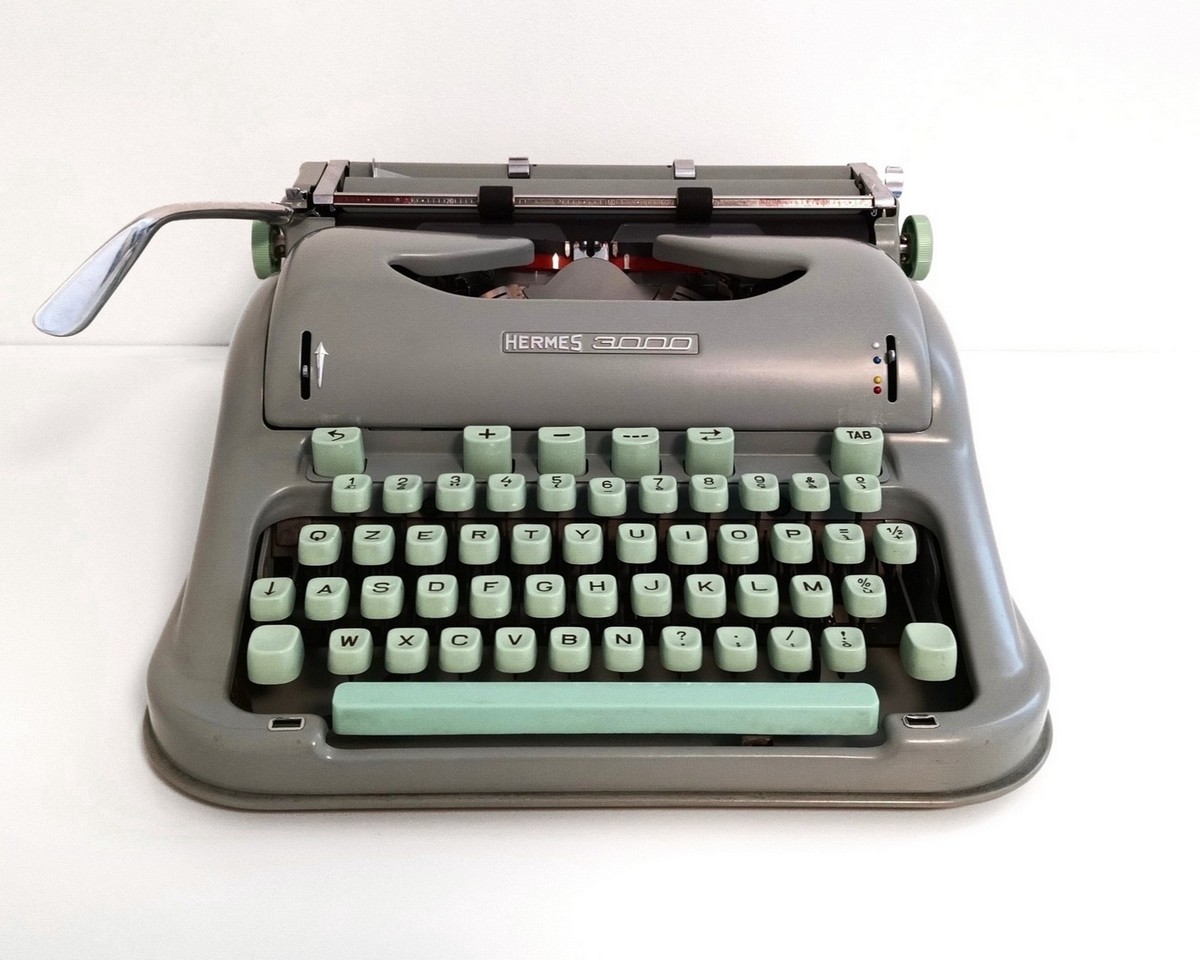
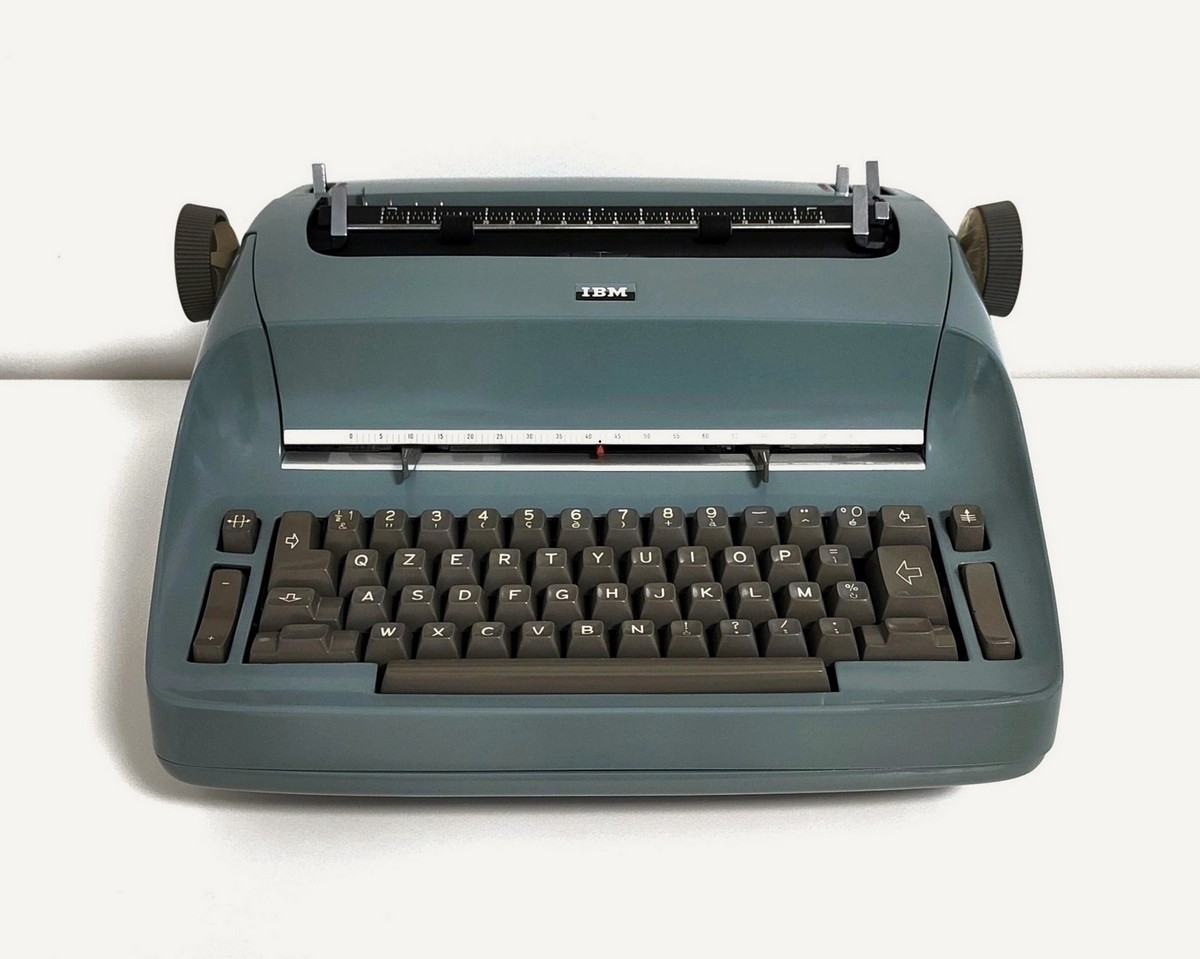

Every mechanical typewriter — even a relatively modern one — has almost certainly remained unused for decades. At best, it may appear to function reasonably well, yet still conceal issues that, if not evident today, are likely to surface tomorrow. The “just this” or “just that” approach is therefore never advisable and is certainly not the philosophy behind Vescovo Restauri. 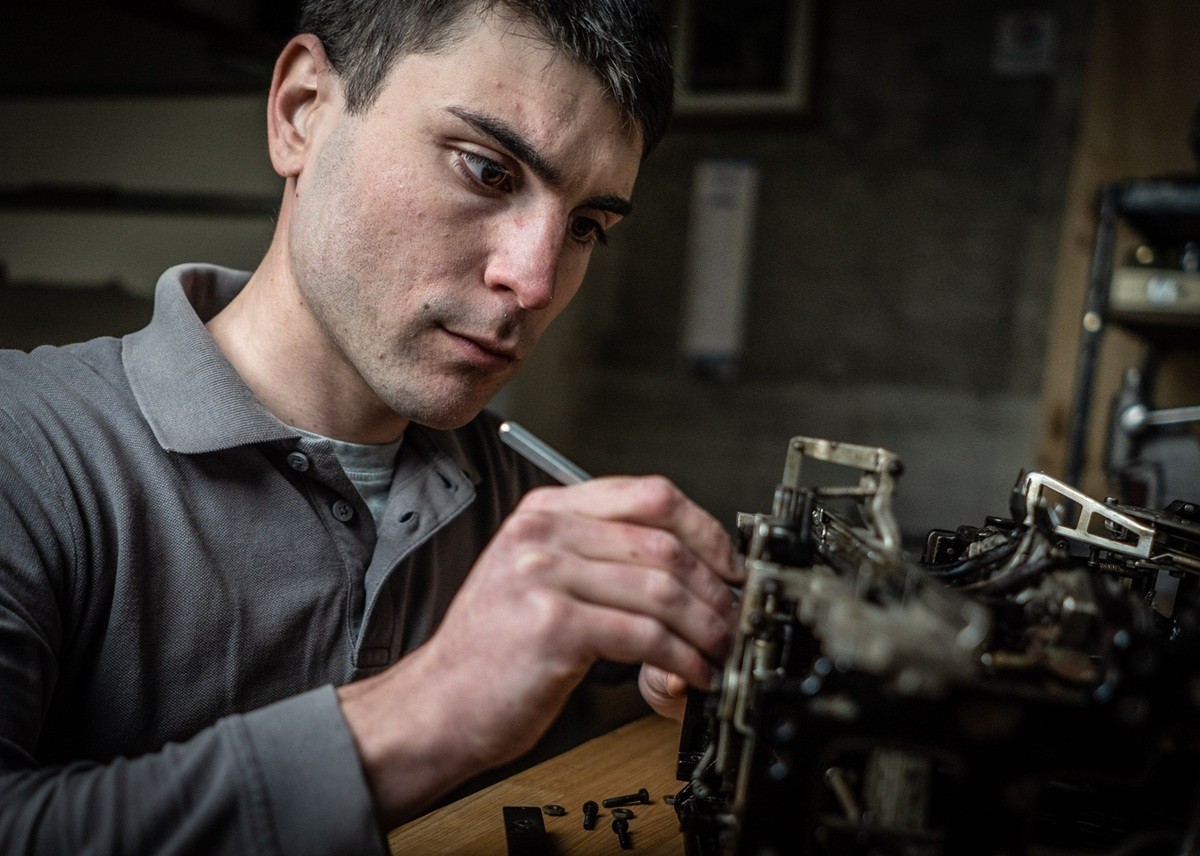 Each machine is completely dismantled; oxidation is carefully removed; the mechanism is ultrasonically cleaned; the mainspring is overhauled; the main rubber platen is either precision-turned or recovered with new rubber; paper feed roller, rubber feet and all deteriorated small components are replaced, and so on. Finally, a freshly manufactured ribbon with a high ink amount is installed, and the machine is meticulously adjusted and calibrated. The result is a fully restored typewriter, regularly delivered to professional writers, mechanical writing enthusiasts, and collectors — always accompanied by a stamped and signed final certificate guaranteeing the work carried out. Thanks to these careful and uncompromising business choices, Vescovo Restauri is today widely recognized, both in Italy and across Europe, as a benchmark brand for the highest quality in the field.
The differences are many. An example of a repair is taking an old car to a mechanic: the typical approach is “as long as it works,” and before long, something else will break, requiring yet another trip to the workshop. In addition, repairs often ignore original construction techniques, materials, and other details. This is sometimes the case with typewriters “repaired” with bicycle parts, oxidized areas covered with spray zinc, or barrel springs replaced with bed springs — to name some of the more amusing (or perhaps desperate) examples.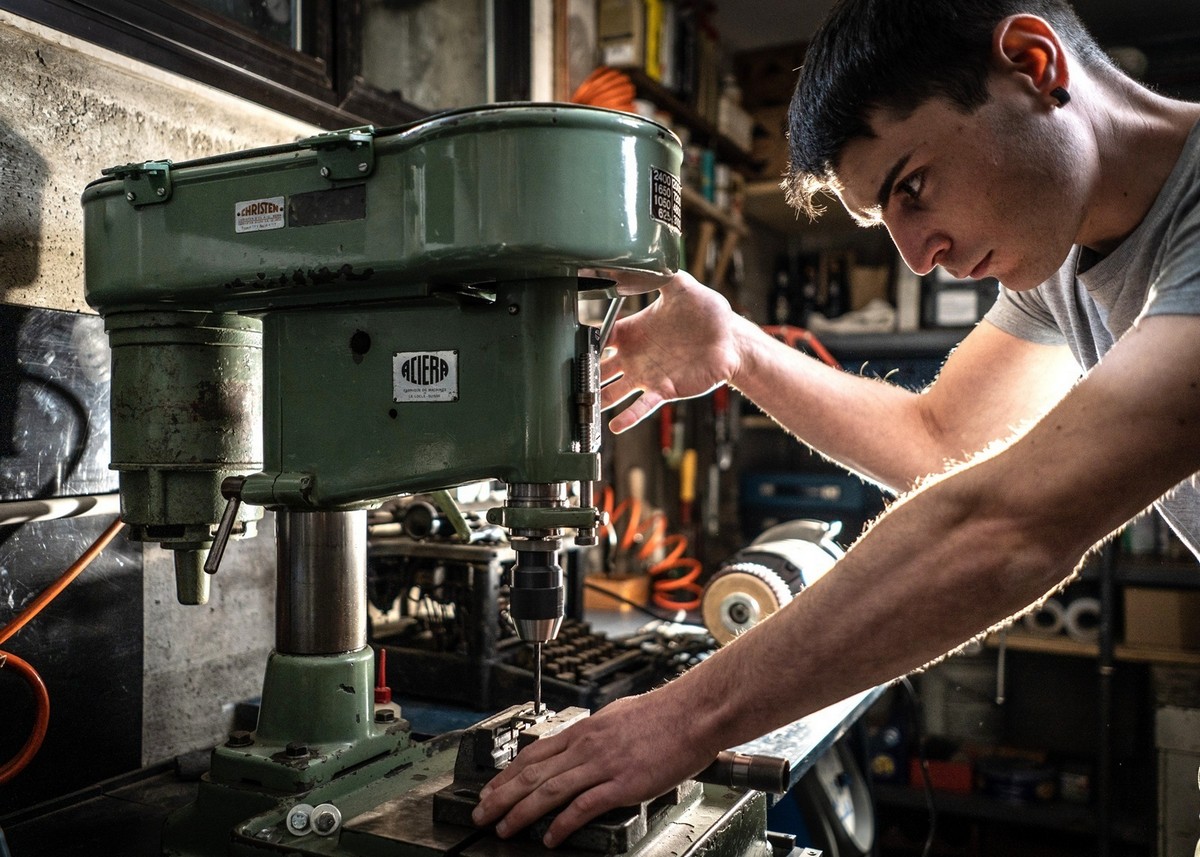 Those who carried out such shoddy work may have technically “fixed” the problem, but… in a way that is, to say the least, embarrassing! A workshop specializing in restorations—ours is one of the only ones currently active in Europe—possesses extensive historical and technical knowledge, which leads to a very different approach to solving problems. A true restorer has at least a mechanical engineering diploma or equivalent technical training, knows the original construction methods, understands the materials used, has access to period-appropriate equipment, and possesses a fully equipped workshop capable of reconstructing broken or missing parts according to the originals. A typewriter restored and certified in this way becomes a high-quality object that can retain its beauty and functionality for many years. Naturally, all this comes at a price: the cost of a full restoration is significantly higher than that of a simple cleaning or repair.
The answer is: “It depends — but in most cases, it isn’t!” Restoration can make sense for rare machines with high collectible value, such as an Sholes & Glidden worth several thousand euros. However, for a grandfather’s Continental or a father’s Olivetti Lettera 22, a proper restoration will typically cost far more than the object’s actual market value. 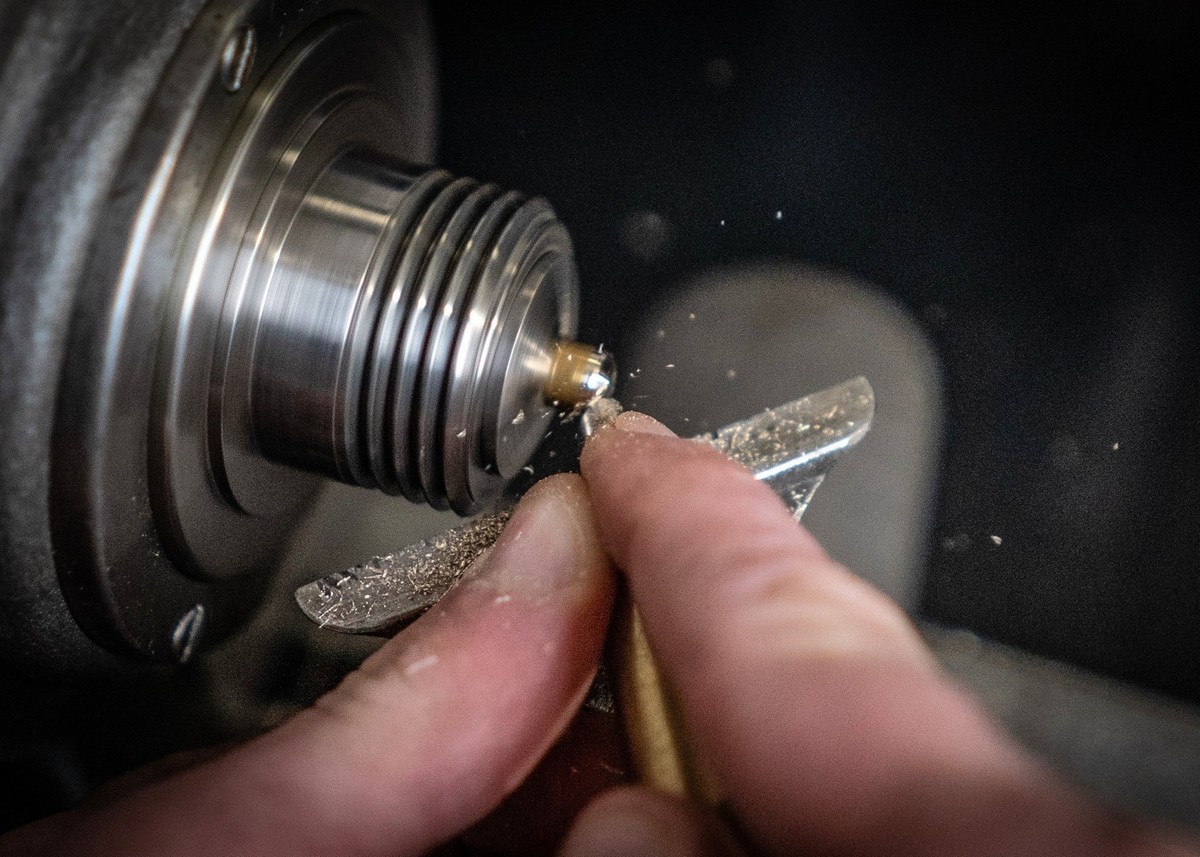 Nonetheless, many people choose to proceed anyway. Why? Often it’s because the typewriter has great sentimental value. Sometimes it’s because they are professional writers — and it is well known that Vescovo Restauri machines offer a unique lightness of touch and unparalleled reliability. Or, more simply, the financial aspect is irrelevant: even without sentimental value, they want that particular machine restored to the highest standard and certified by Vescovo Restauri.
What is the hourly labour rate? The current hourly labour rate is aligned with that of many skilled artisans: €50/hour for manual work and €60/hour for interventions requiring the use of machinery such as a lathe or welding equipment, typically for the reconstruction or repair of damaged or missing mechanical components.
How many hours does a restoration typically require? Each project is a story of its own; however, some general guidelines can be outlined. Modern portable machines usually require between 8 and 25 hours of work. Modern standard machines typically require between 16 and 50 hours and antique portables generally involve a similar level of commitment. Antique standard, electromechanical, and special typewriters can be significantly more demanding. This category includes machines such as the Olivetti Graphika (special manual proportional), Olivetti Lexikon 90, IBM Selectric, IBM Selectric Composer (the most complex mechanical typewriter ever built), etc. In these cases, the range is much broader and may exceed 150 hours of work.
What does a restoration typically cost? The hourly rate is certainly the largest component, but one must also typically add the cost of certain replacement parts (first of all a new platen) and, if required, the cost of sandblasting, color reproduction, and repainting carried out by our car body shop partner. Each typewriter must be carefully assessed in order to provide a reliable quotation; however, as a general indication, invoices typically fall within the following ranges, depending on the model of and its overall condition:
Modern portables (produced after 1950): €450 – €1,500.
Modern standards and antique portables: €800 – €3,500.
Antique standards and special machines: €1,600 – €10,000.
These figures are indicative and reflect the level of craftsmanship, time, and expertise required to restore a machine to Vescovo Restauri certification standards. Unlike most competitors, we provide many real examples of our restorations on our website, allowing clients to assess the quality of our work firsthand. Additionally, during each restoration, we usually send live photos of the work in progress to the client, who may choose to keep a precious photographic record as a lasting testimony of the craftsmanship involved.
Routine maintenance service is performed only on typewriters that Vescovo Restauri has already fully restored in the past. This is aimed especially at clients who use their typewriters intensively. The recommended frequency depends on the actual usage of the machine, that is, the number of pages typed per month. A routine maintenance service consists of a series of operations designed to keep the typewriter in perfect working order. In short: cleaning in petroleum to remove old lubricants, fresh lubrication, resurfacing of the main rubber platen, light sanding of the secondary rollers, installation of a new ribbon, and reassembly. Dozens of checks and adjustments of the mechanical components are then carried out, just as at the end of any full restoration.
Request a Restoration Assessment