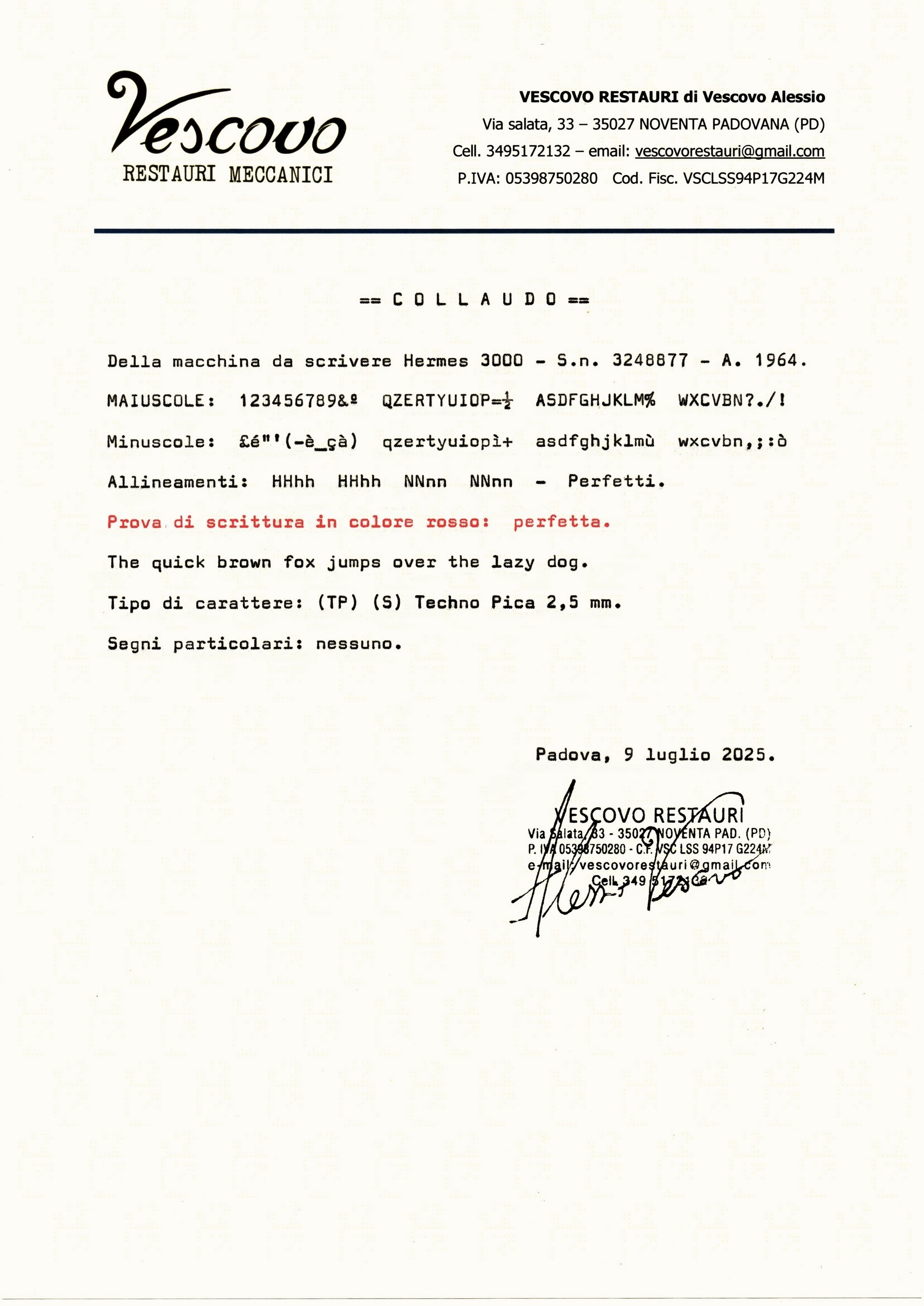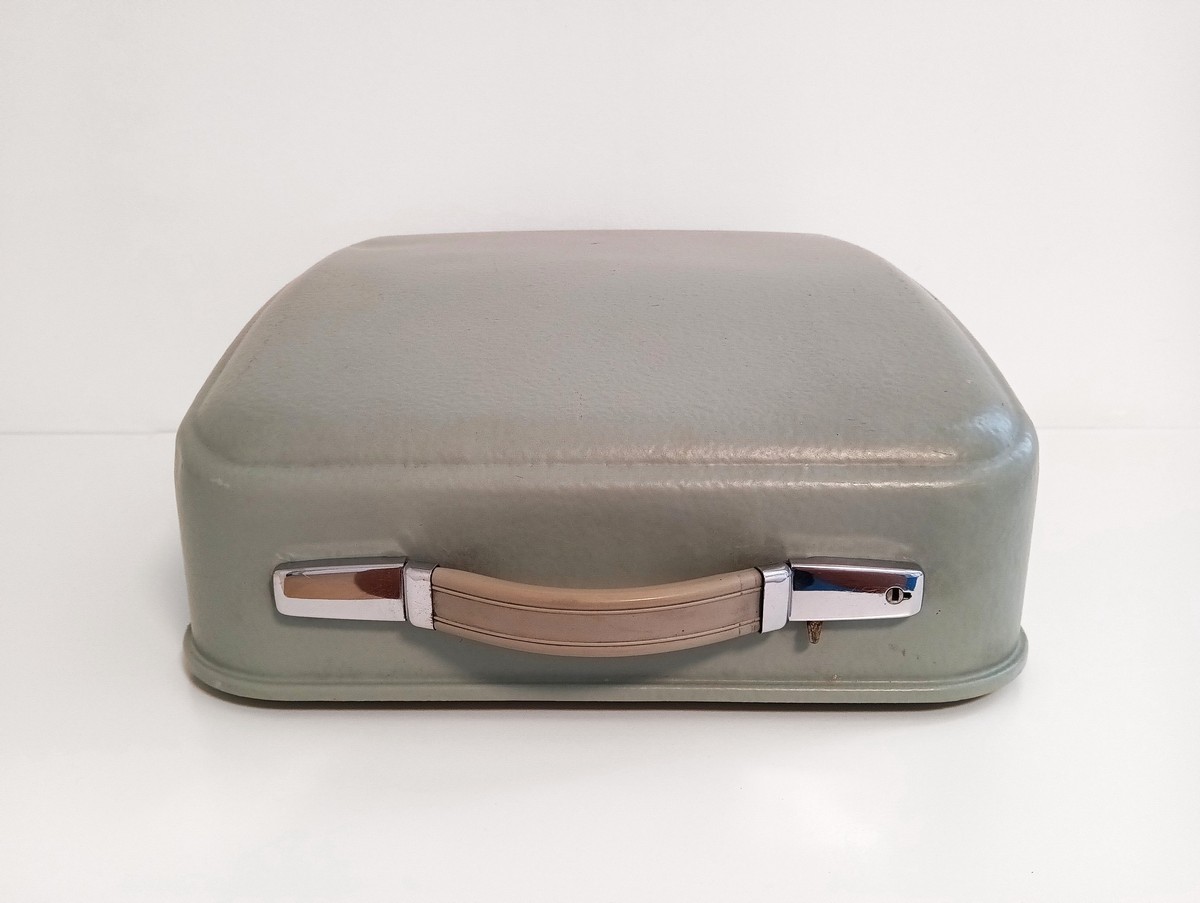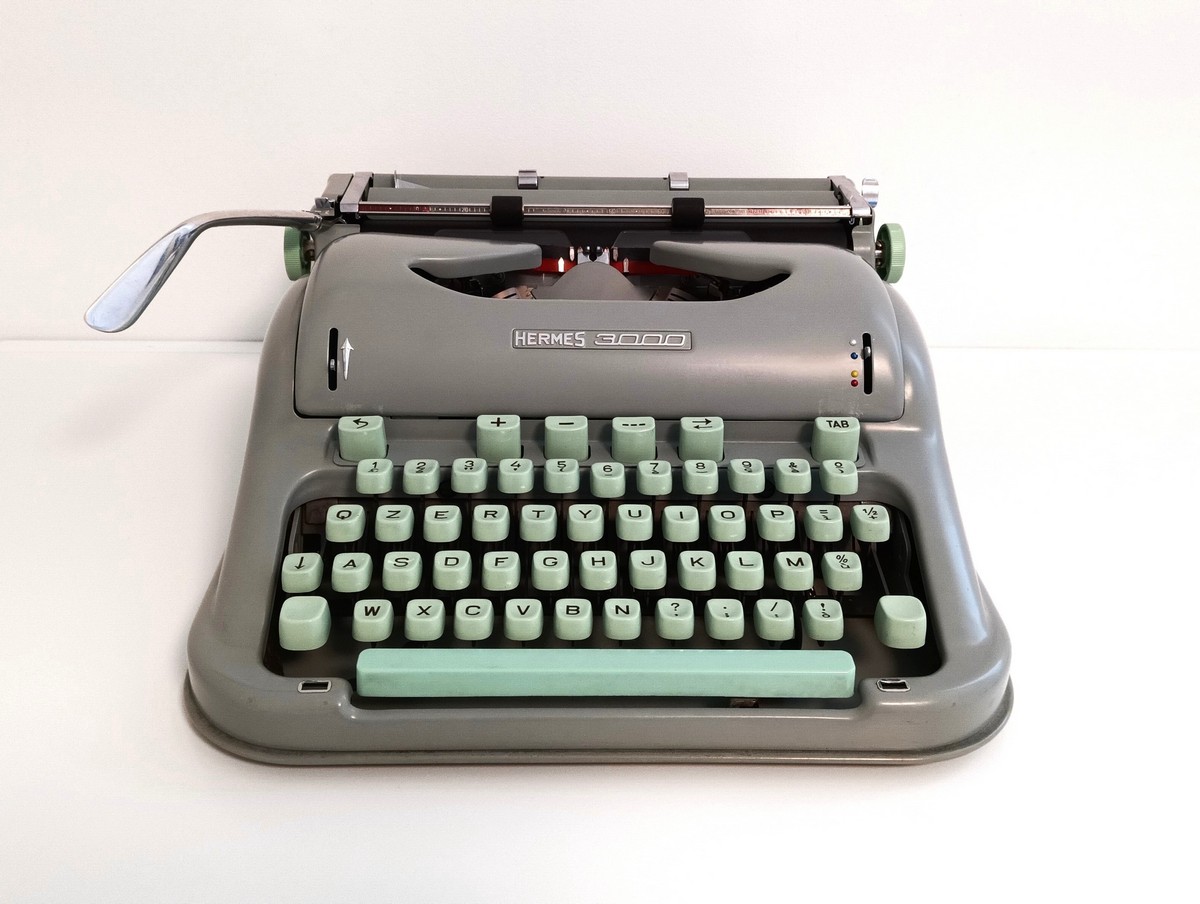
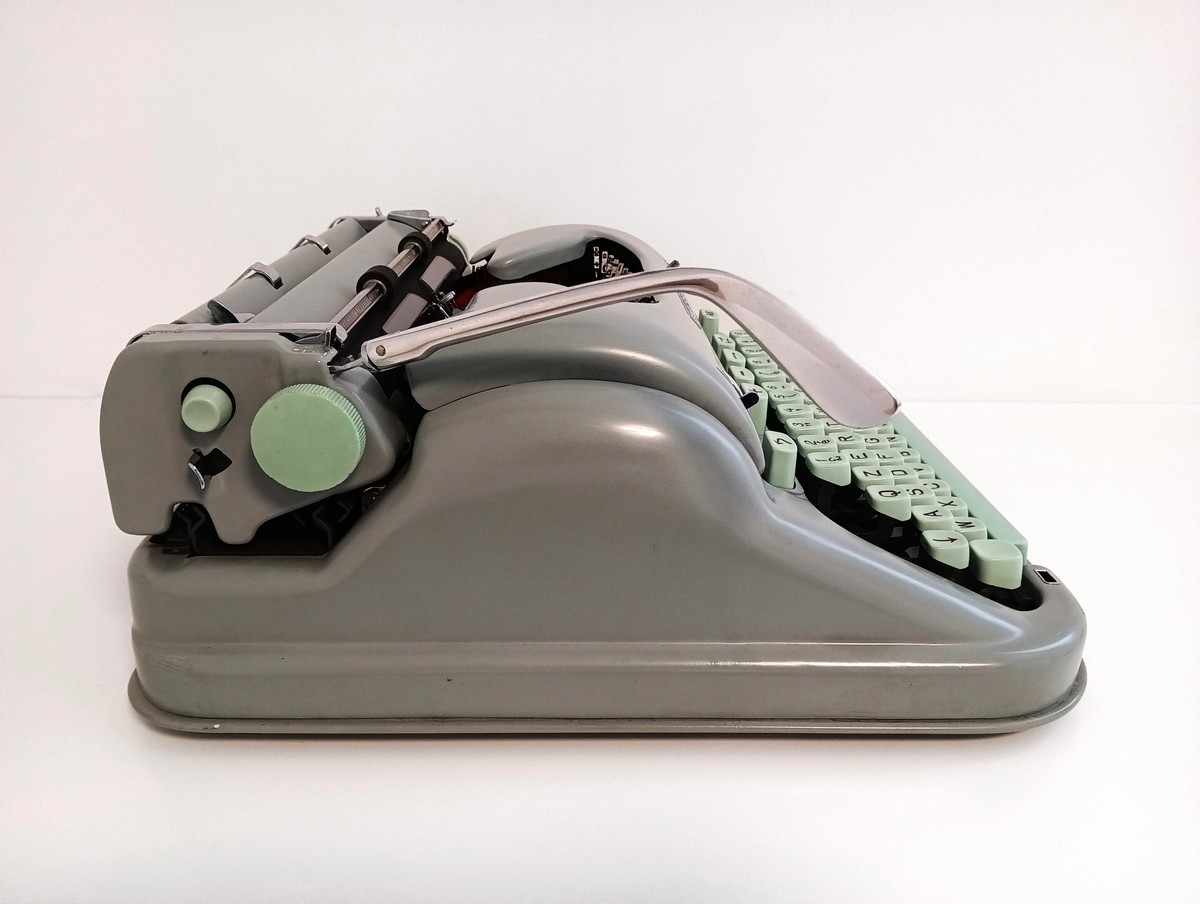
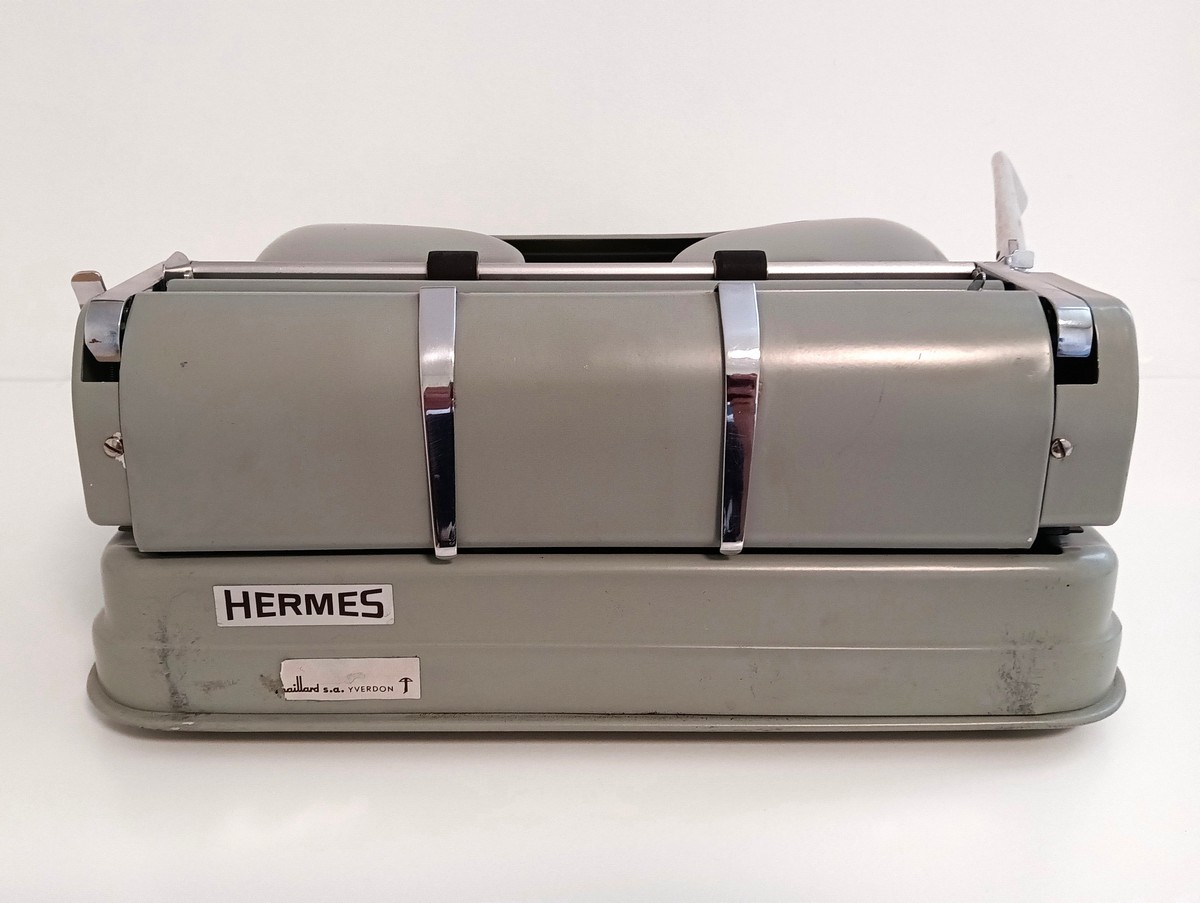
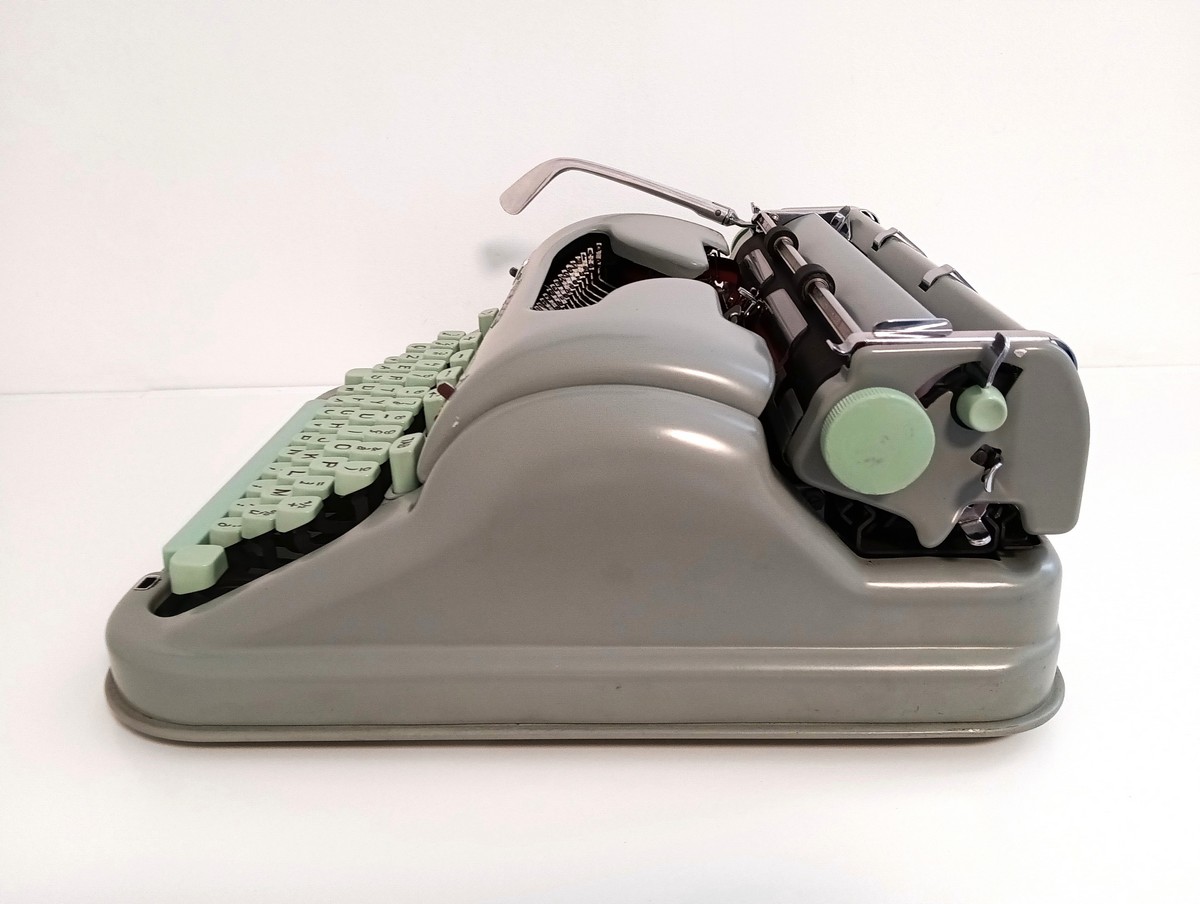
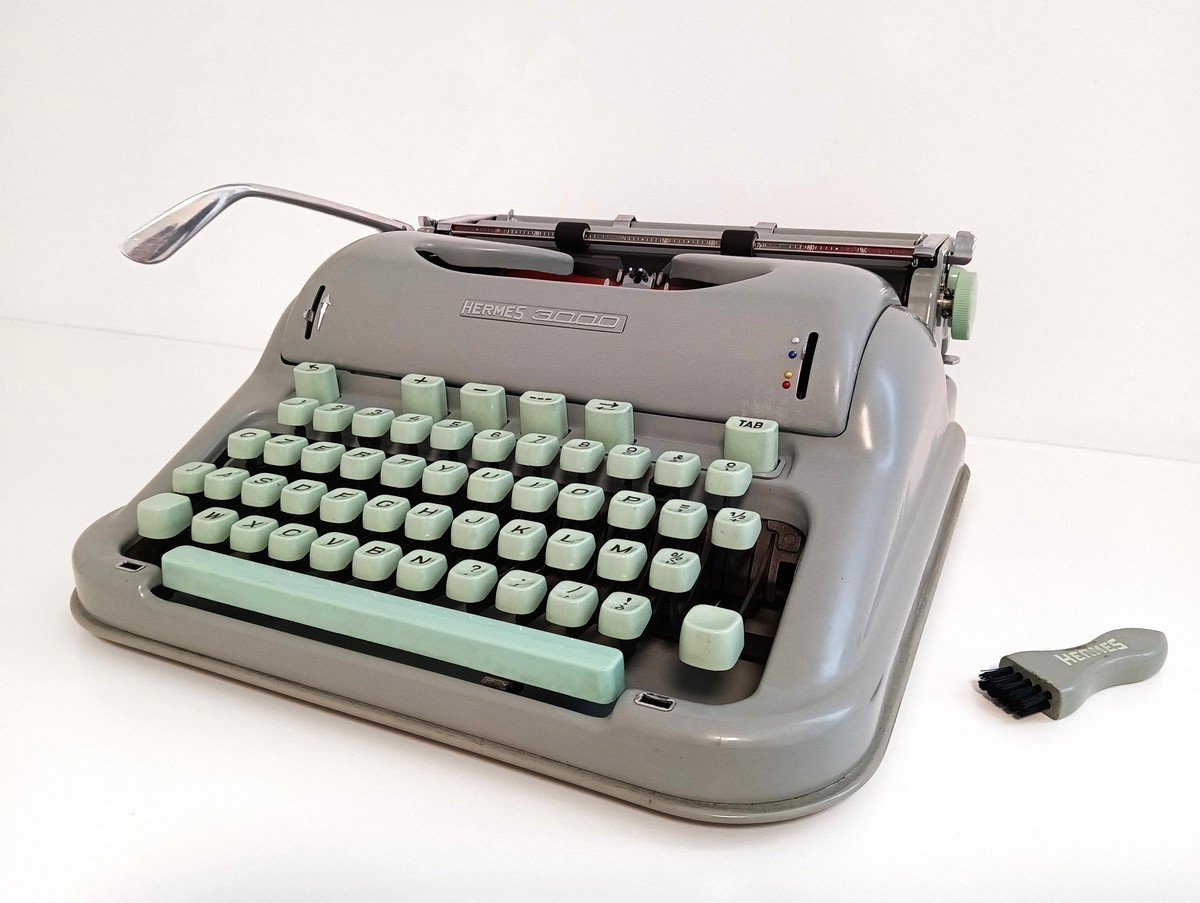
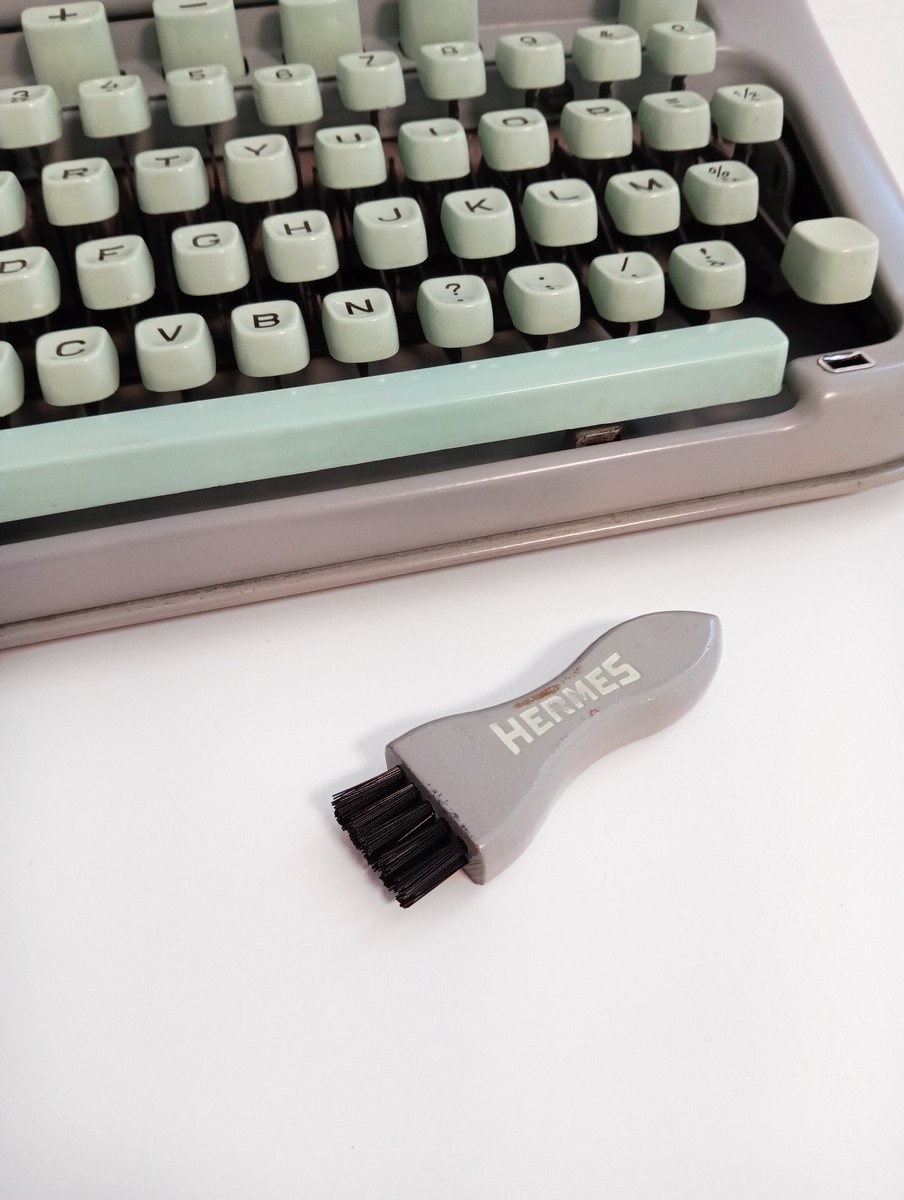



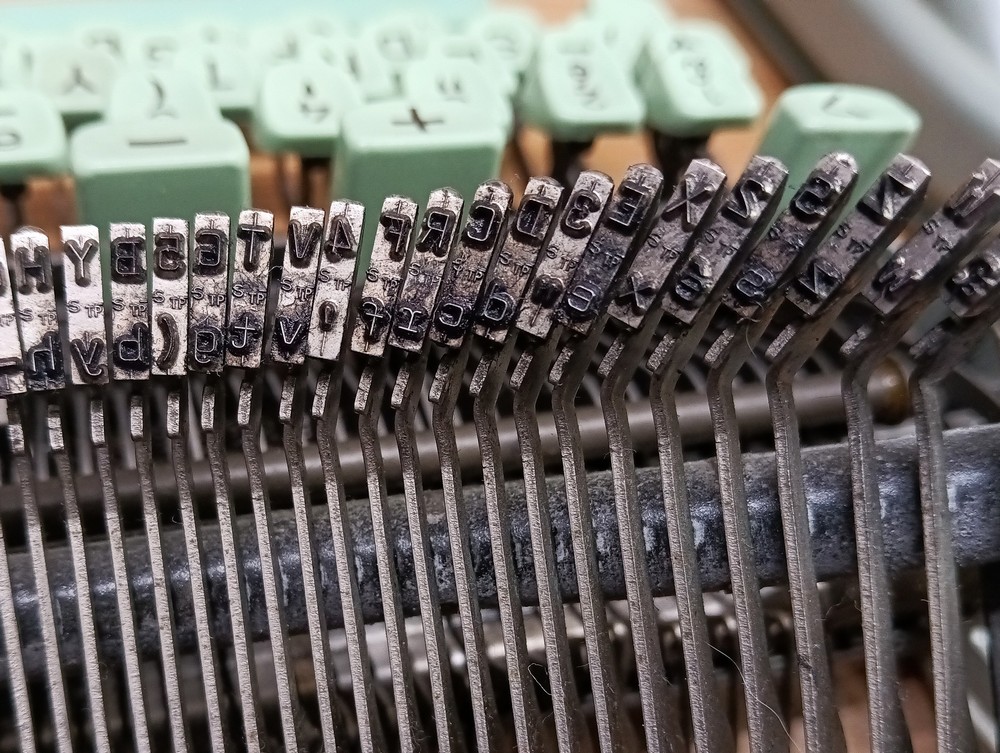
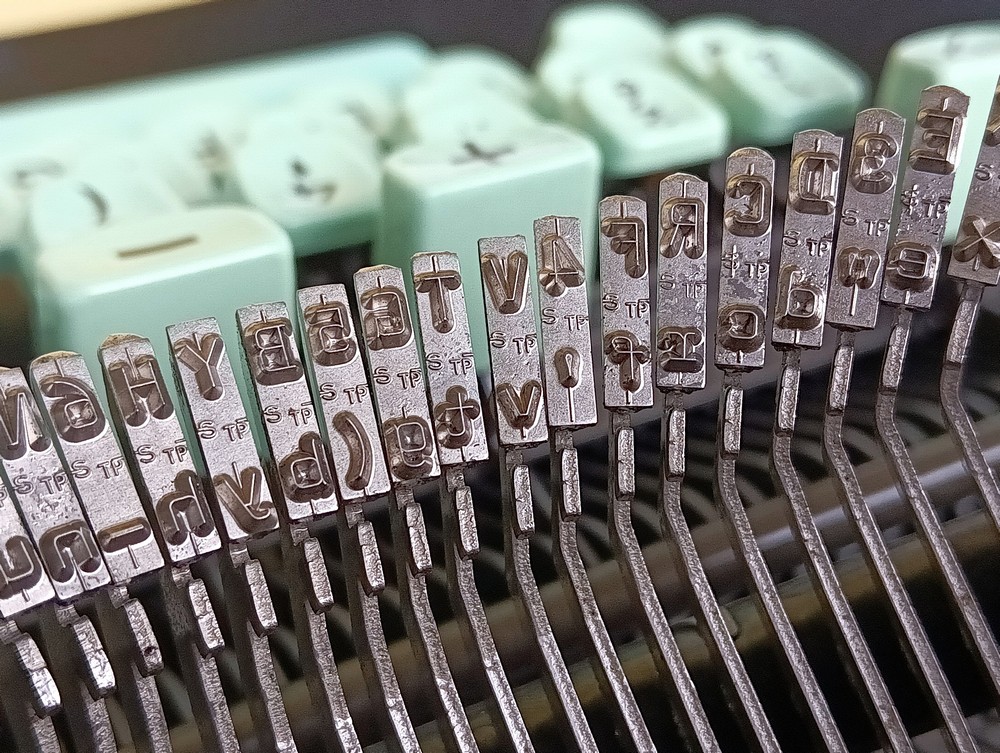
Introduced in 1958 by the renowned Swiss typewriter manufacturer Paillard SA as an evolution of the Hermes 2000 and Media, the Hermès 3000 is widely regarded as one of the finest portable typewriters ever built. Appreciated by writers, journalists and collectors, it combines robustness and mechanical precision with a smooth typing action and functional design. The most sought-after version is the first series, like the example presented here, characterised by its distinctive rounded casing and sage-green colour. It remained in production until the mid-1960s, when it was replaced by the second version with its more angular body. Among the most desirable typefaces is the Techno Square Pica, fitted to this particular machine and which we will eventually see in all its glory on the final test certificate.
One of its greatest strengths is its extremely precise internal mechanism, designed with the meticulous attention to detail traditionally associated with Swiss engineering. The keyboard is remarkably responsive — perhaps even too responsive — making fast typing pleasant even over longer texts. The Hermès 3000 was also used by celebrated authors such as Jack Kerouac and Larry McMurtry.
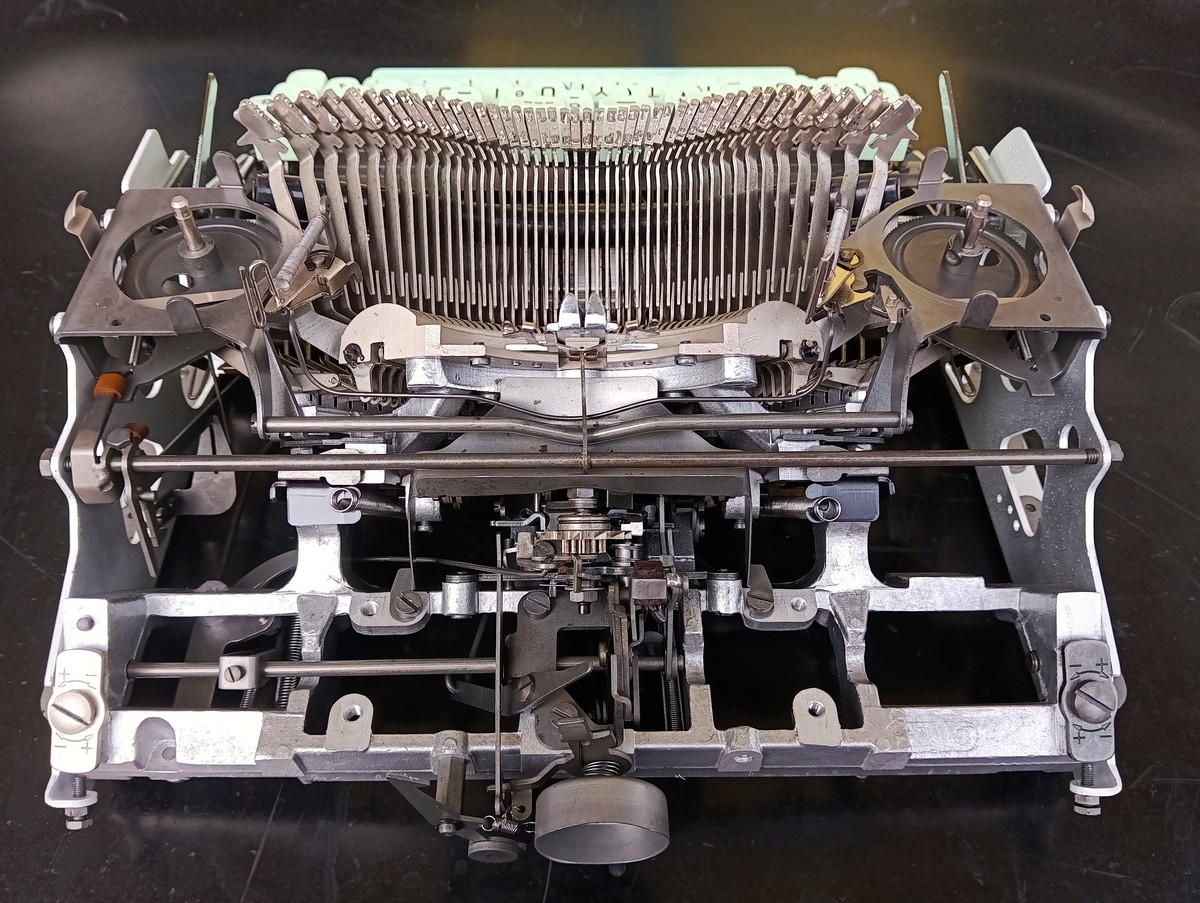
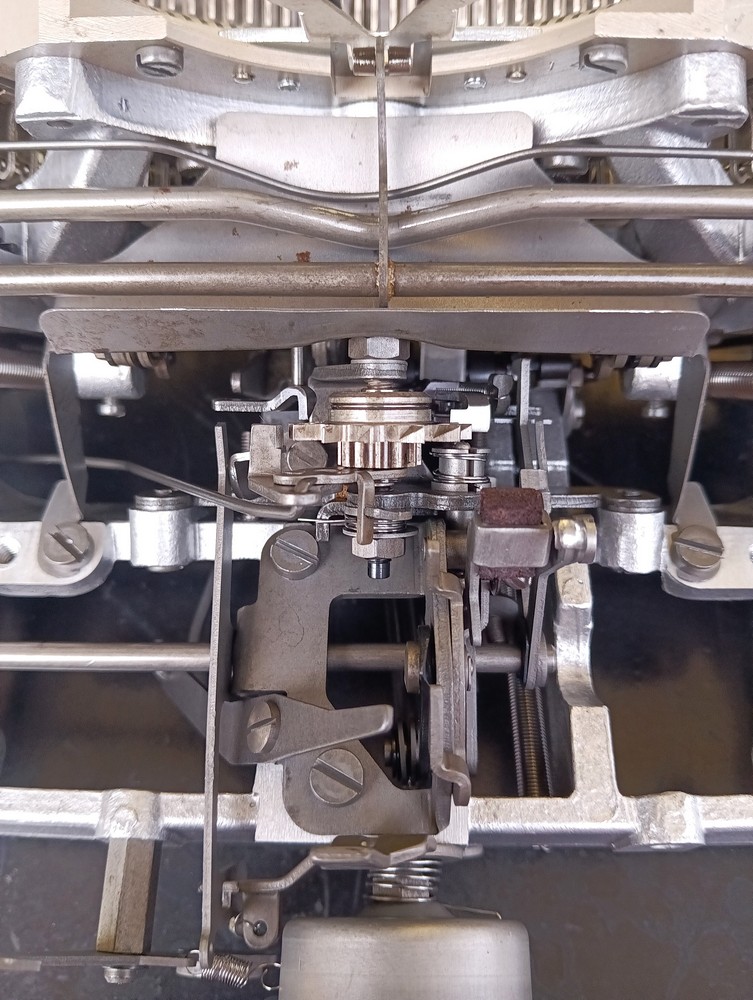
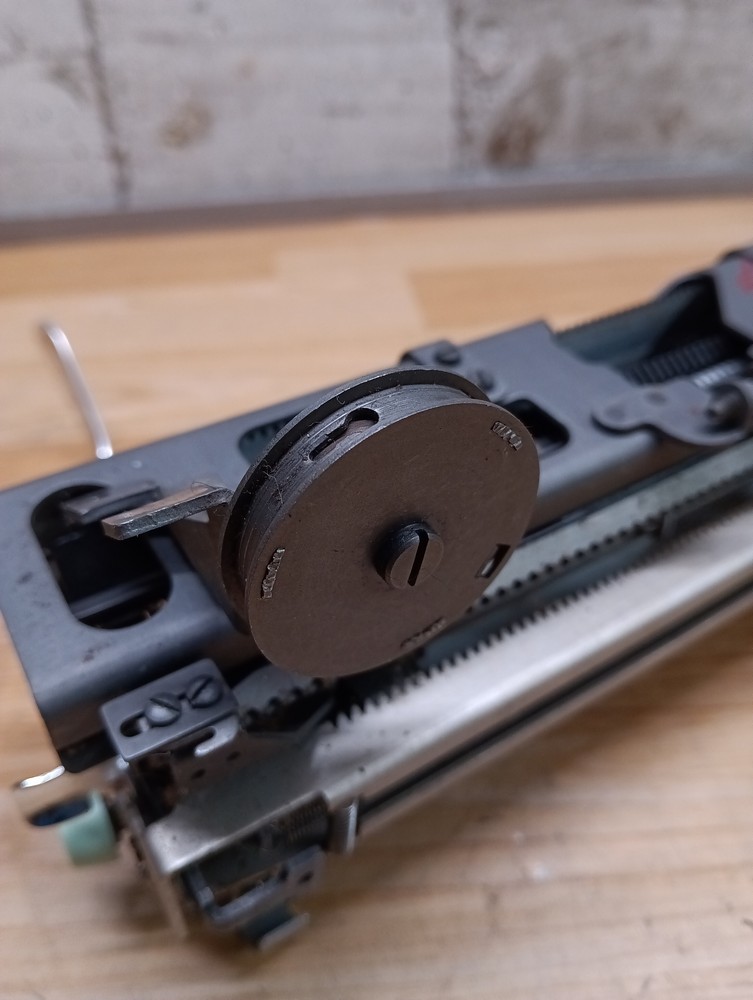
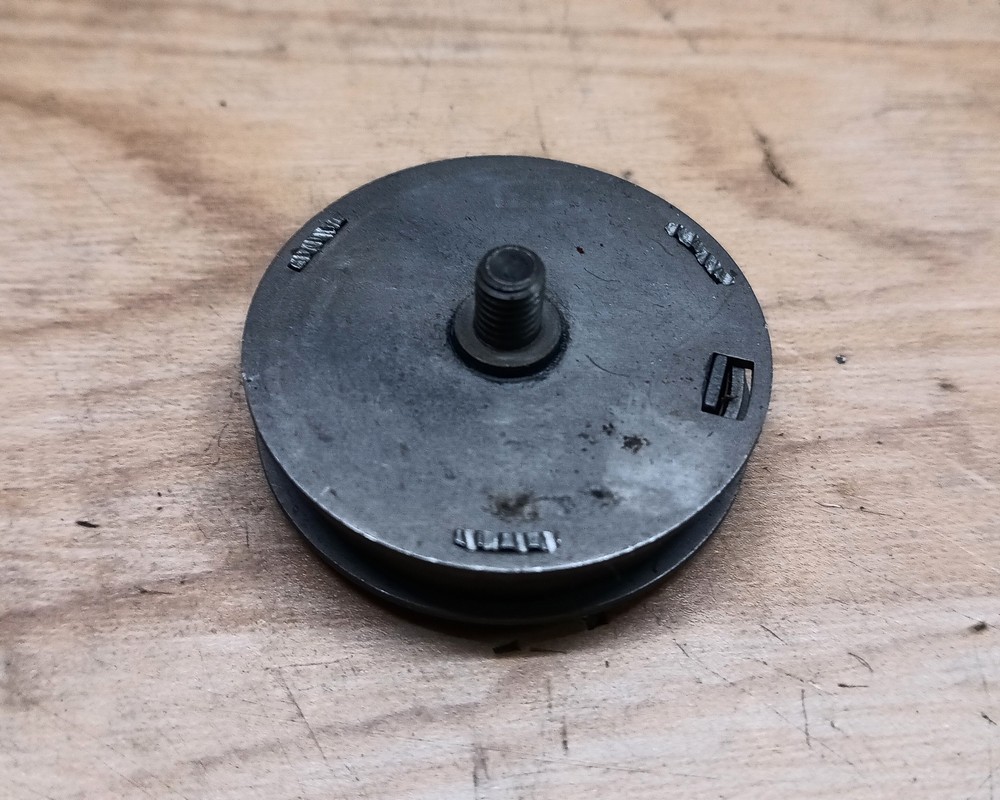
In the world of high-end Swiss watchmaking, there are what are known as grand complications; and so, not without a hint of fetishism, Hermes decided to equip the 3000 with this remarkable complication. An intricate system of red tape and springs, connected to the two mechanical margin stops and guided by a series of tiny pulleys, allows the operator to see the position of the left and right margins in red directly within the ruler scale. Needless to say, during servicing it took very little for the tape to slip out of its guides; refitting and adjusting the whole mechanism proved to be quite an adventure, one I would recommend only to the most enthusiastic mechanics among us!
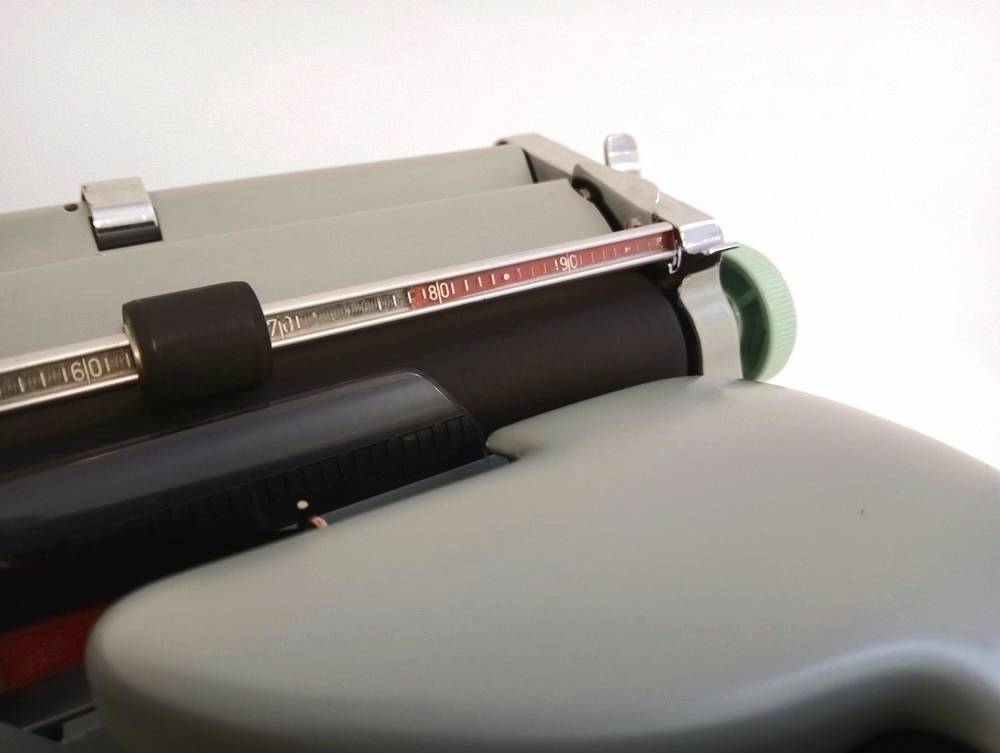
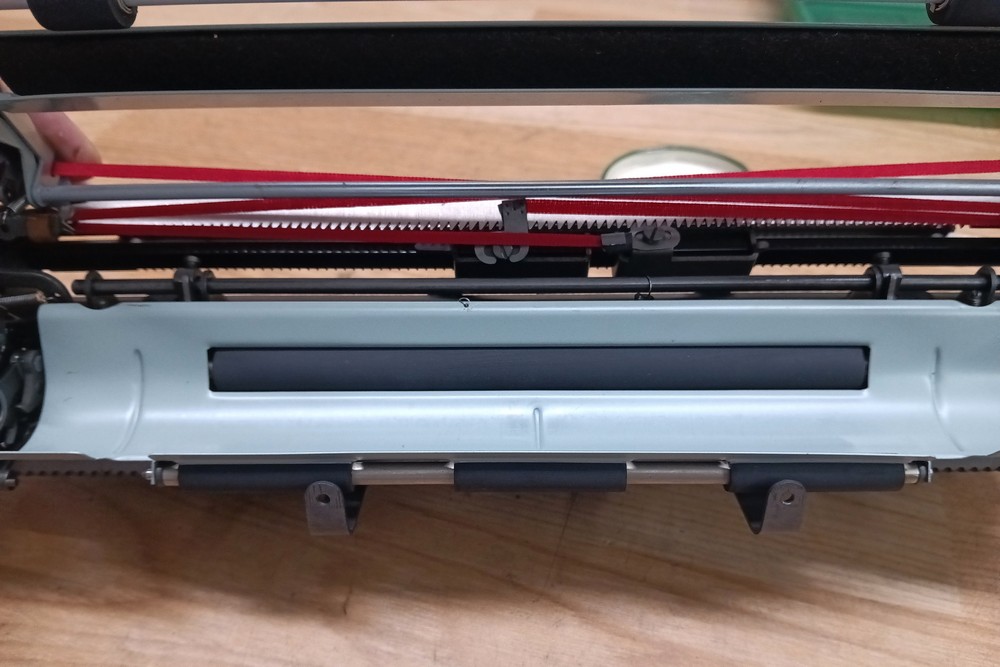
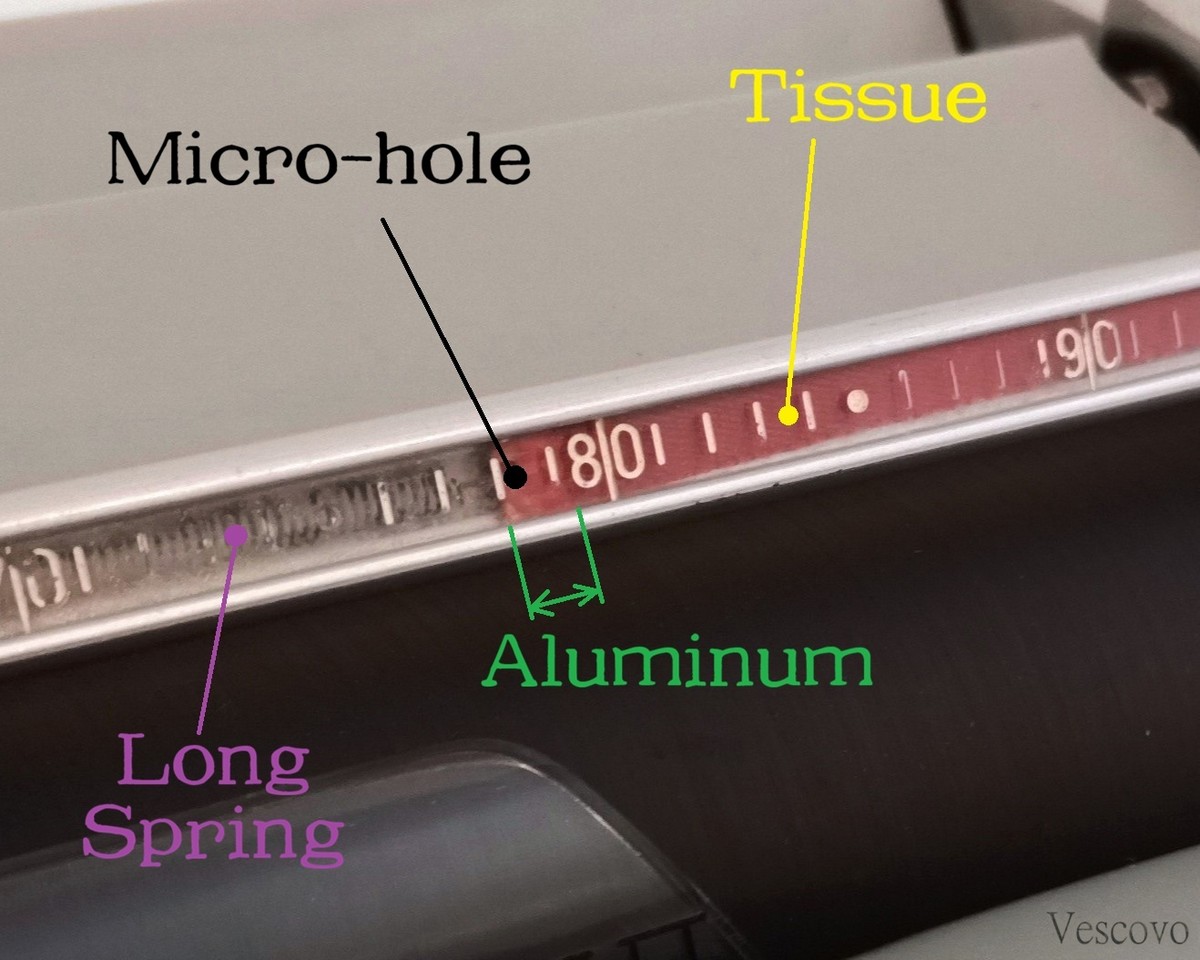
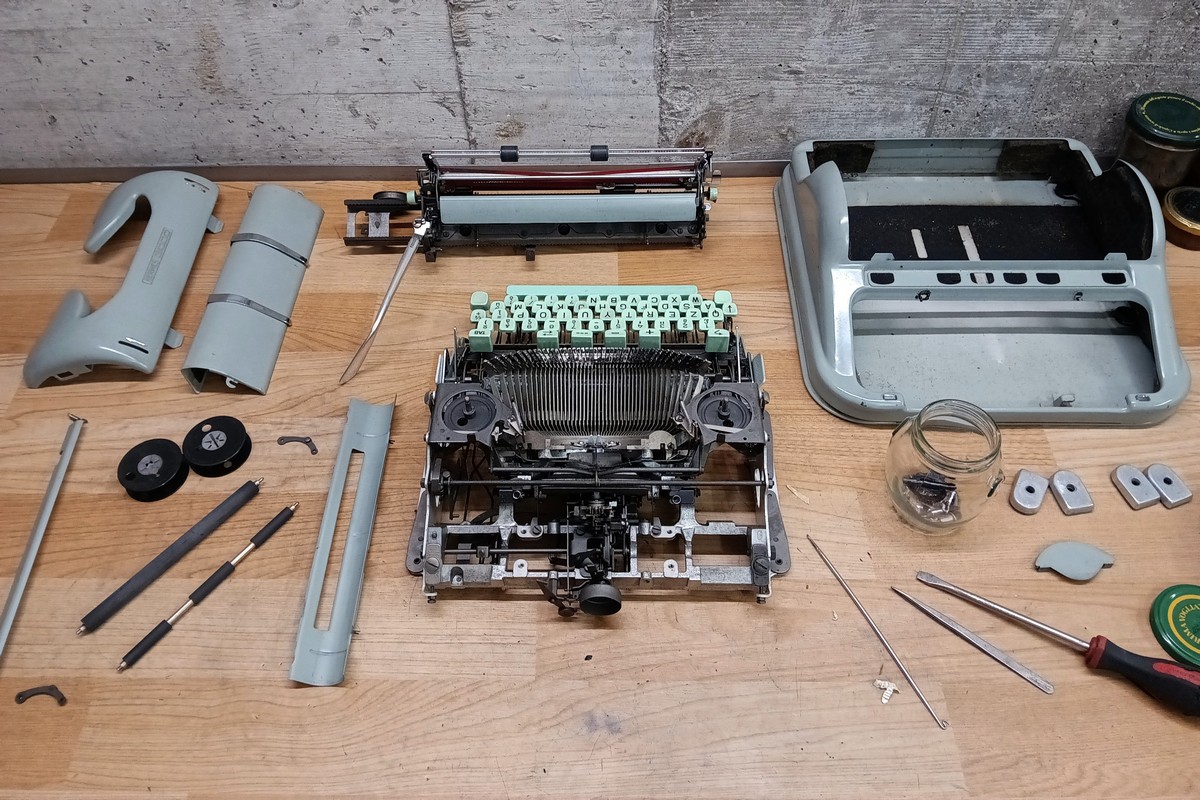
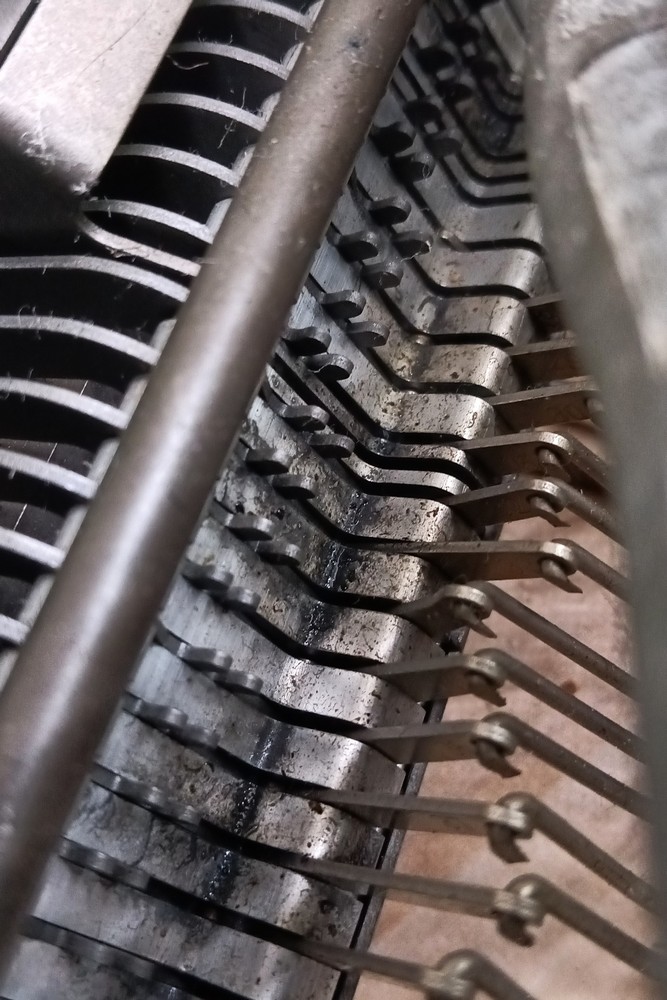
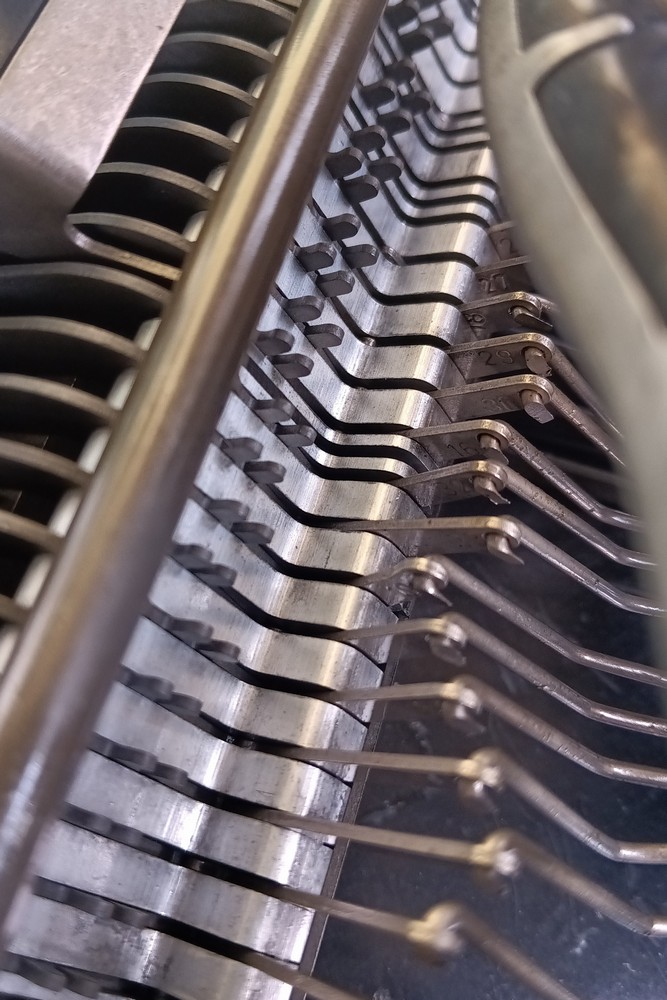
A complete restoration of a typewriter begins with the disassembly of the machine, followed by a thorough cleaning of all mechanical components, first using an ultrasonic bath and then rinse using a petroleum-based solvent.
Once cleaned, every component is carefully dried and reassembled, and then the internal mechanism is precisely lubricated to guarantee optimal performance. The mainspring is also dismantled, cleaned, and reassembled with fresh grease, ensuring consistent tension and smooth carriage movement.
The machine then undergoes a comprehensive adjustment process, including fine-tuning of the kinematics, ribbon lift, and upper/lower case alignment. Components subject to natural wear, such as the ink ribbon, rubber grommets, carriage drawcord, and any weakened springs, are replaced with new parts.
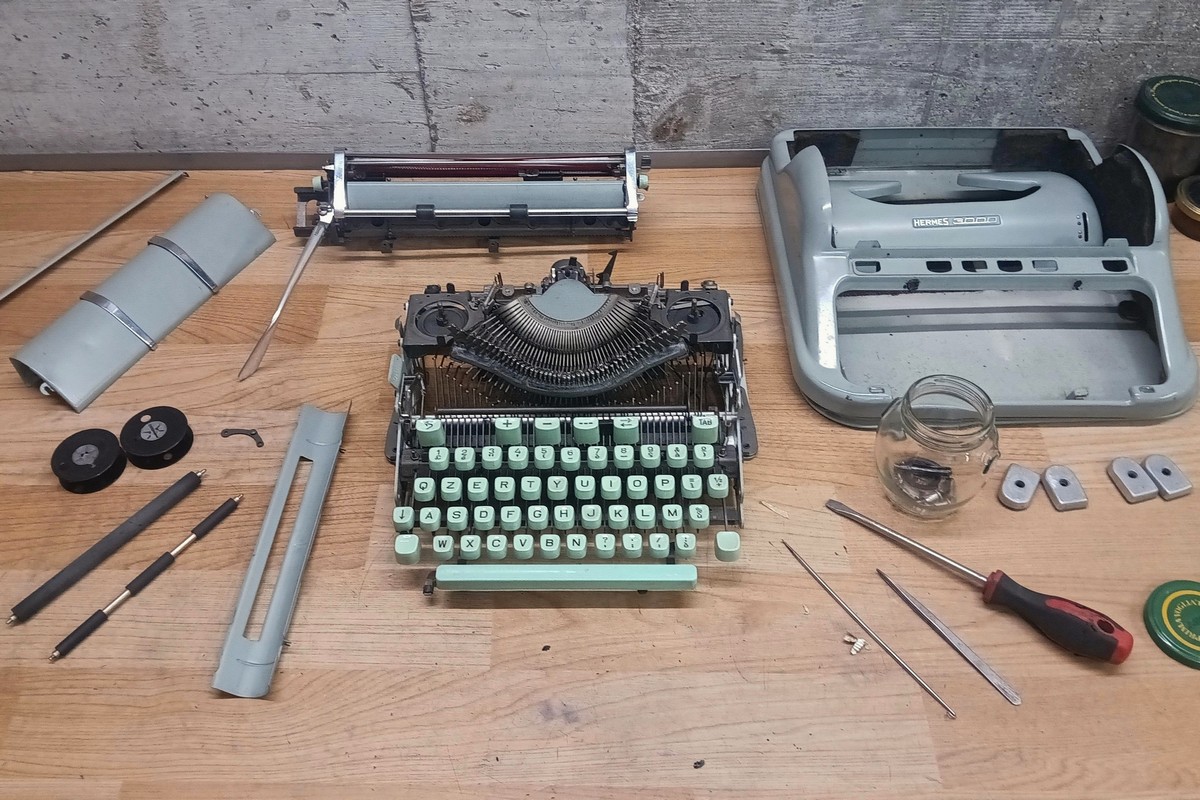
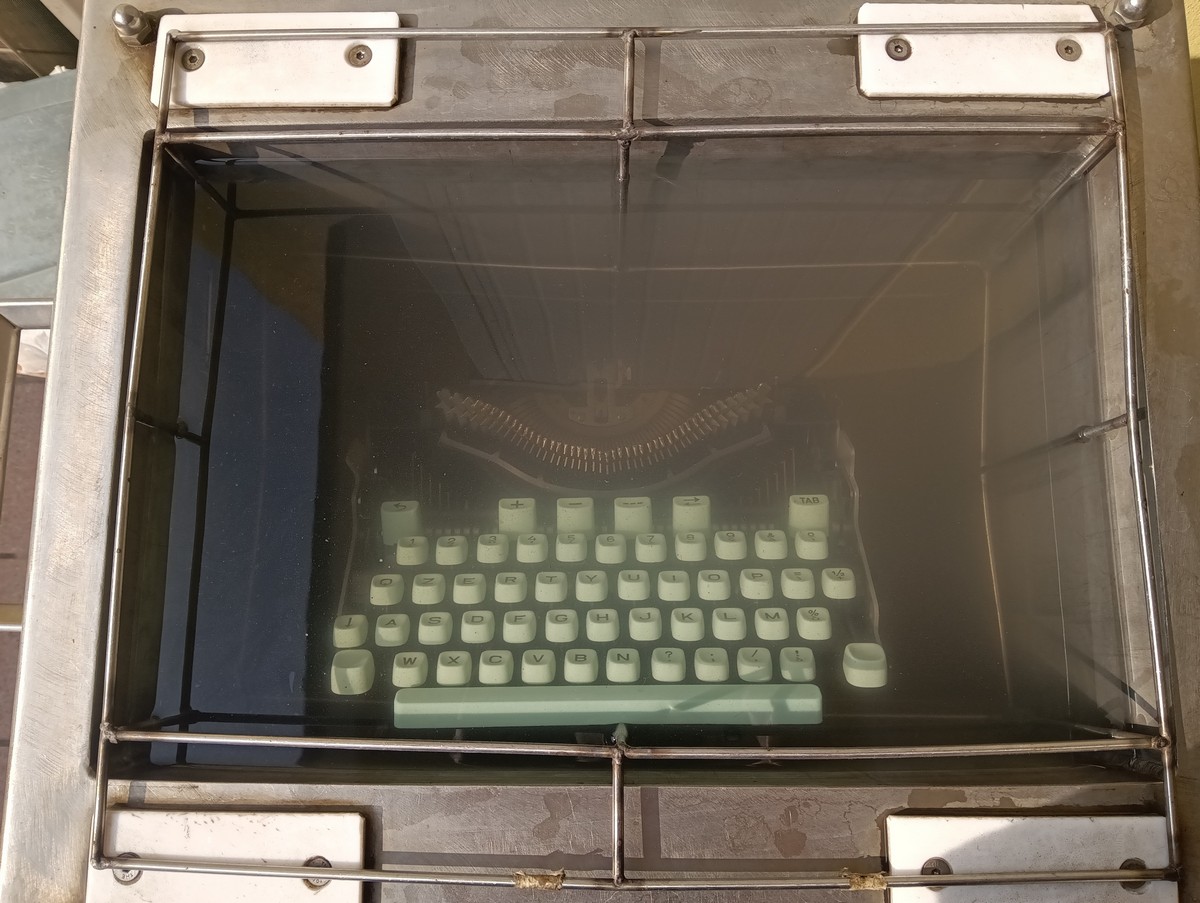
To effectively remove all the dirt from this Hermes 3000, I chose to use ultrasonic cleaning. This method is considerably more effective than the traditional brush-and-kerosene approach, as it can reach and clean virtually every part of the machine, from the narrow slots through which the levers move to the teeth of the smallest and most inaccessible gears — all areas that would be difficult to clean thoroughly with a brush. How does it work? The principle involved is cavitation. Powerful ultrasonic waves produced by the transducers are transmitted through the water, generating microscopic bubbles that rapidly collapse near the surface of the parts being cleaned. Using a simple solution of water and detergent produces a combined action: an extremely high-frequency physical “micro-brushing” effect together with the degreasing action of the detergent dissolved in the bath. The result is excellent and, equally importantly, has a low environmental impact, since a biodegradable detergent can be used in the solution.
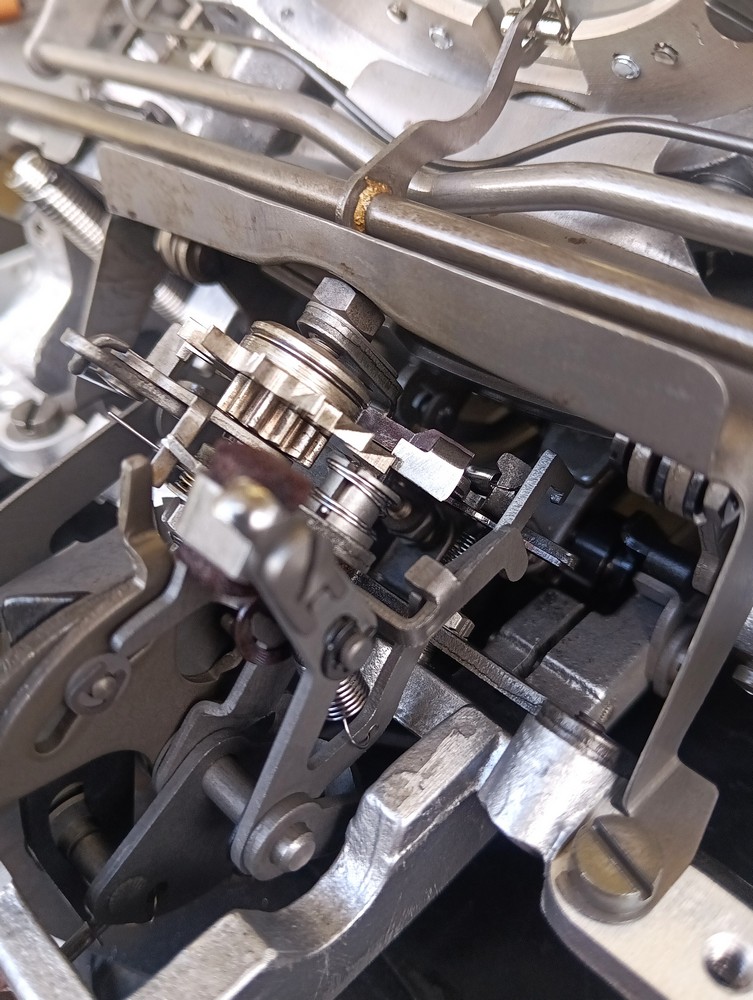
In mechanical typewriters, it is essential for the mainspring to be accessible and serviceable. Just as in mechanical watches, the spring gradually accumulates dust, hardened old grease and microscopic metallic particles produced by friction against the walls of its housing. These contaminants eventually pollute the lubricant itself, compromising efficiency and smooth operation over time. Cleaning the spring and replacing the lubricant is therefore an important part of a proper overhaul, ensuring consistent carriage tension and long-term reliability of the mechanism. Finding such a serious oversight on a Swiss Made machine is, in my opinion, simply unacceptable.
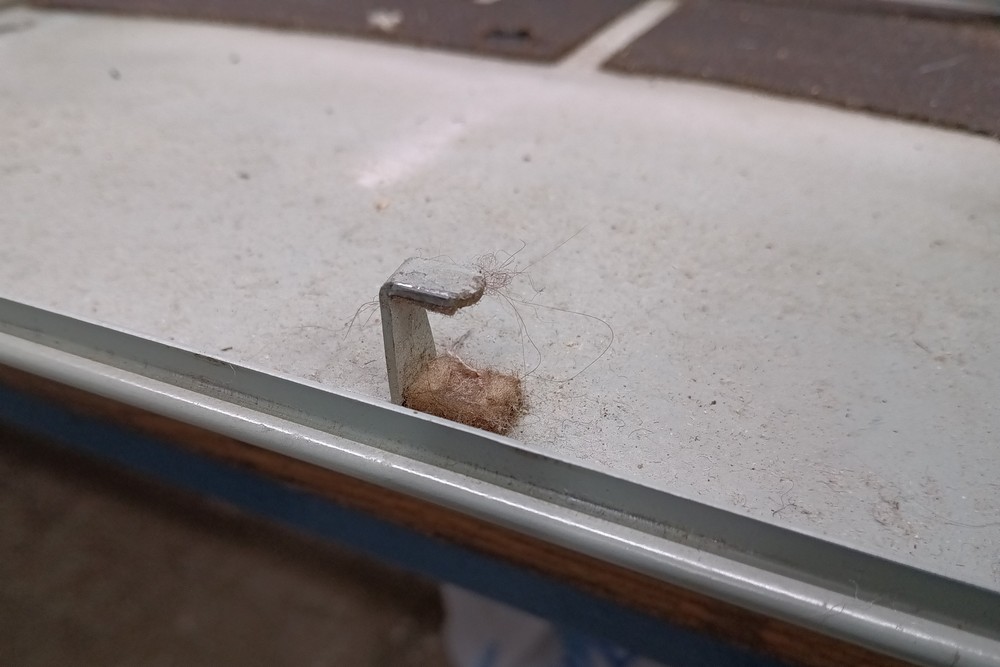
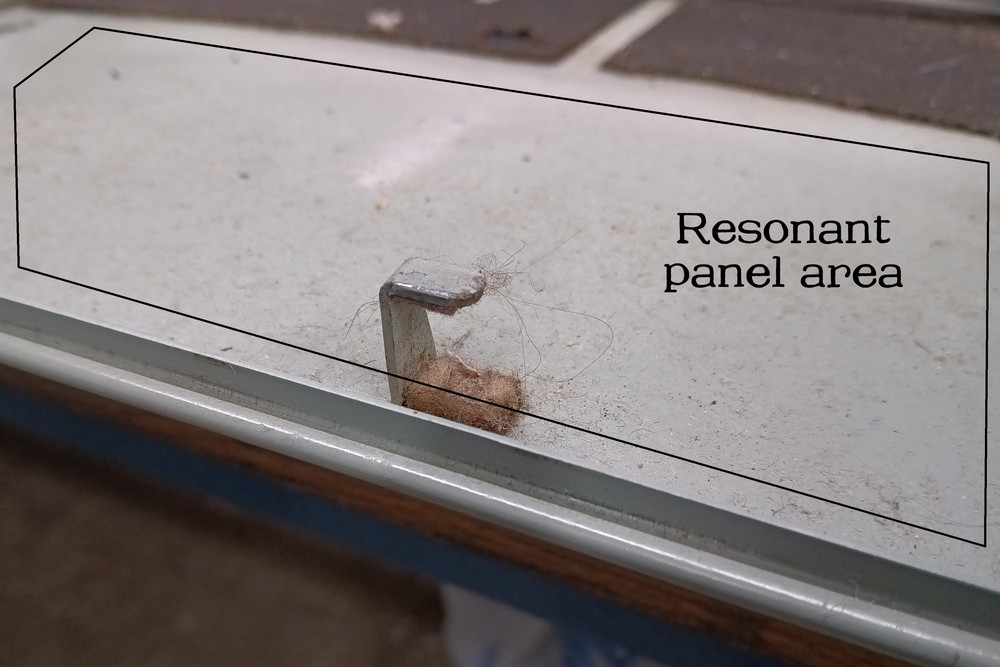
As with high-end mechanical keyboards, the space bar is also one of the most critical elements when trying to achieve a pleasant typing sound. On standard typewriters this is rarely an issue, since the space-bar stops are usually mounted on the solid cast-iron frame surrounding the keyboard. On portable machines, however, if this aspect is not carefully engineered, the result can be quite unpleasant — and in terms of sound, this Hermès ranks among the worst I have encountered. In particular, mounting the space-bar stops directly on the bottom panel effectively turns it into a “woofer”, much like the diaphragm of a loudspeaker, amplifying every impact of the space bar. This is certainly a matter of personal taste, but I do not particularly like it. If I were to use this machine regularly, one of those thick felt mats placed between the typewriter and the desk would be essential for me — something I have frankly never found necessary with other typewriters.
To restore an Hermes 3000 typewriter to perfect working condition, it is essential to rebuild the various rubber components, which over time tend to harden and eventually crumble completely. Feet, main platen, and both lower and front paper rollers—all must be renewed. Everything is made possible thanks to experience and specialized equipment. For more information, please visit this page.
At the end of the restoration, the typewriter undergoes a complete functional test. A final test certificate—typed on the machine itself, signed, and stamped—is issued as proof of successful inspection and completion of the service.