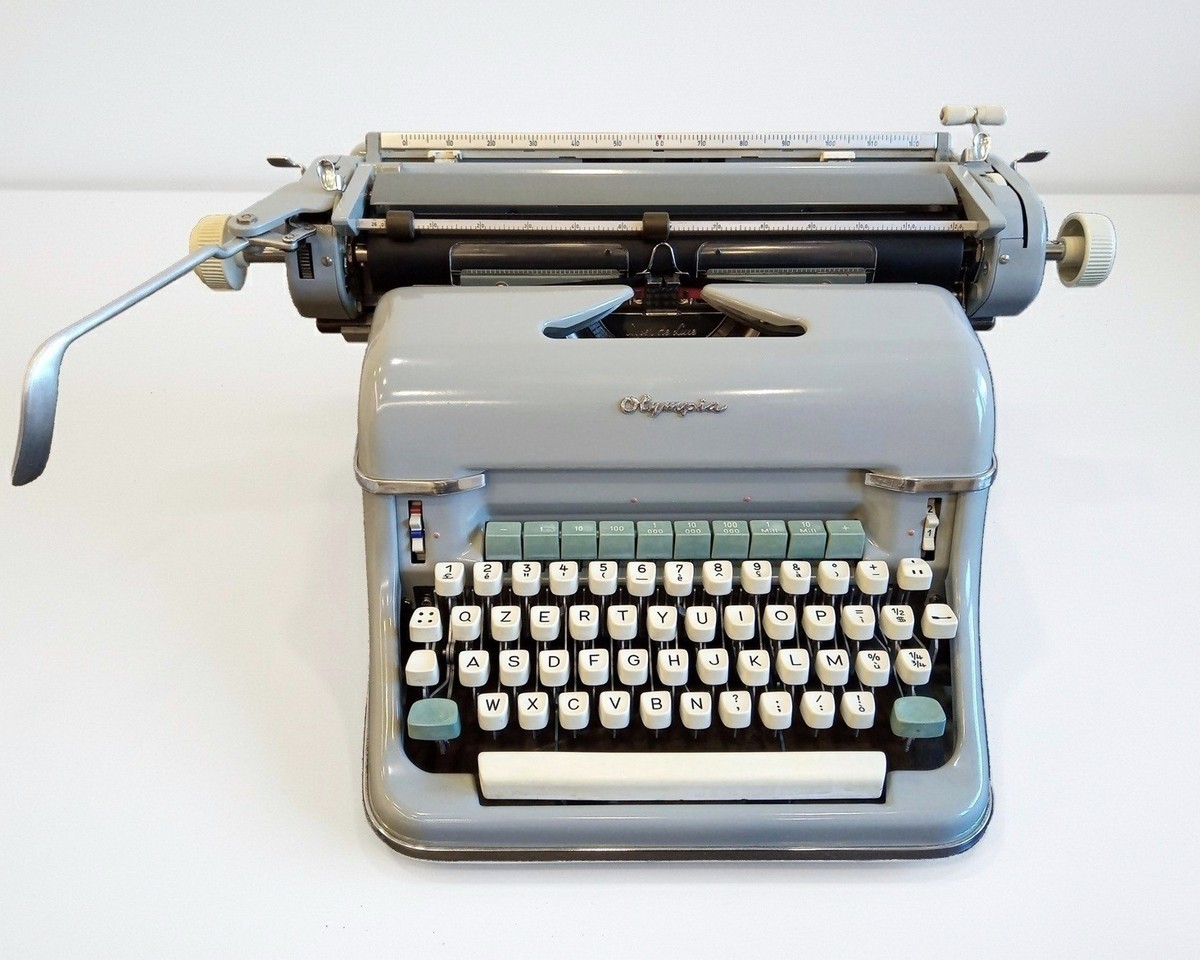
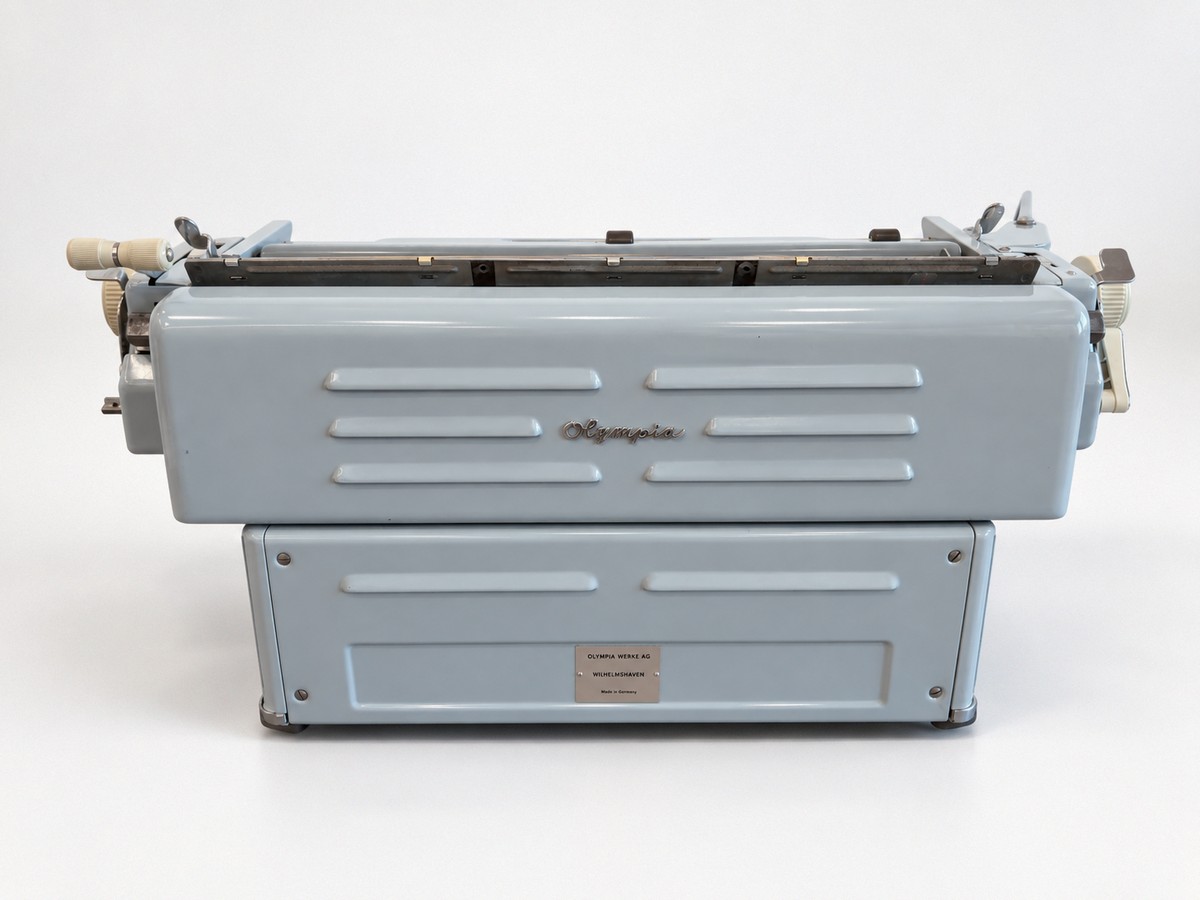



A new life for this 1963 Olympia SG1! Introduced in 1953, the SG1 was Olympia’s first post-war standard typewriter and quickly became one of the most successful German office machines of its time. Manufactured at the Olympia Werke factory in Wilhelmshaven, it remained in production until 1972, with more than 2.7 million units produced, a considerable number of which were sold on the American market.
The initials SG stand for Schreibmaschine Groß, literally “large typewriter”, identifying Olympia’s full-size office machines intended for intensive use. The company’s nomenclature also included the SM, Schreibmaschine Mittelgroß, for medium-sized machines, and the SF, Schreibmaschine Flach, for slimmer and more compact portable models, a category that also included the later Olympia Splendid.
 From a technical point of view, the SG1 represented an important step forward over earlier Olympia models: uppercase shifting was achieved by moving the typebasket rather than the heavy carriage. The carriage itself could also be quickly removed, together with its guides and traction mechanism, making maintenance and replacement considerably easier. These simple but highly effective solutions were combined with an exceptionally robust and precise mechanism.
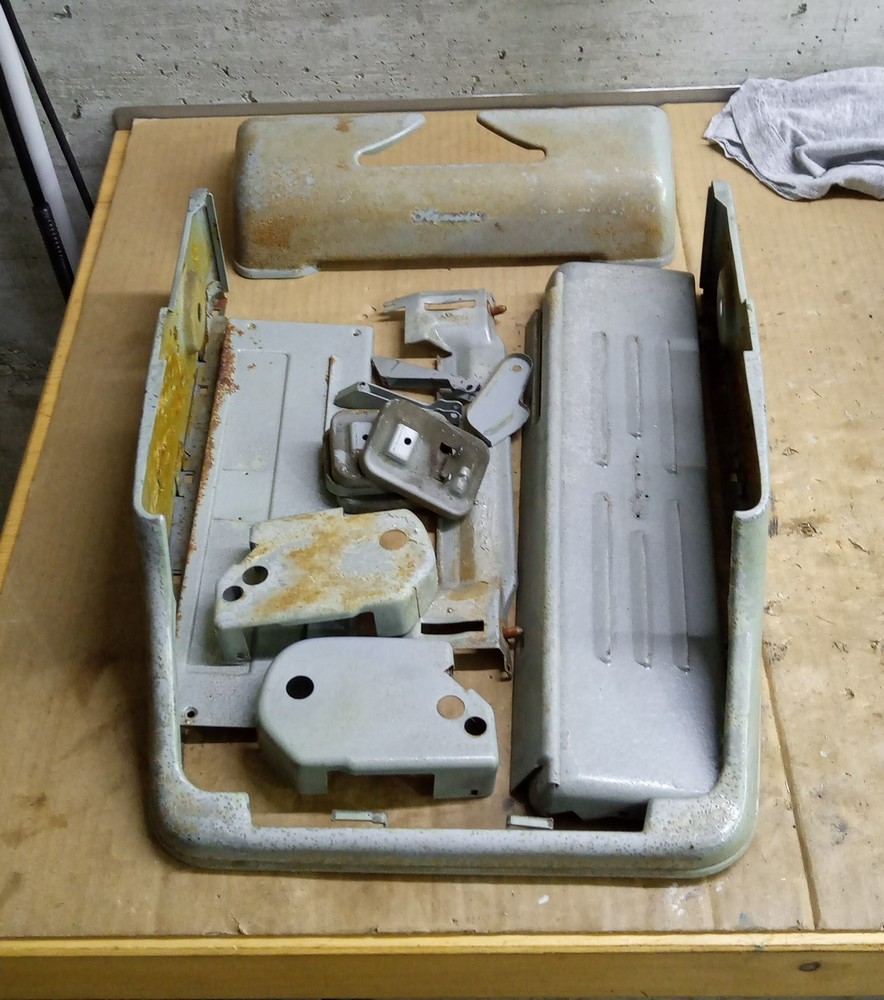
The machine shown here had its mechanism in reasonably good condition, while the bodywork was extensively oxidised and the original paint badly flaking. A complete restoration was therefore carried out, including full disassembly, sandblasting and professional repainting by a body shop, while preserving its characteristic pastel “sugar-paper blue” colour, typical of the 1960s.
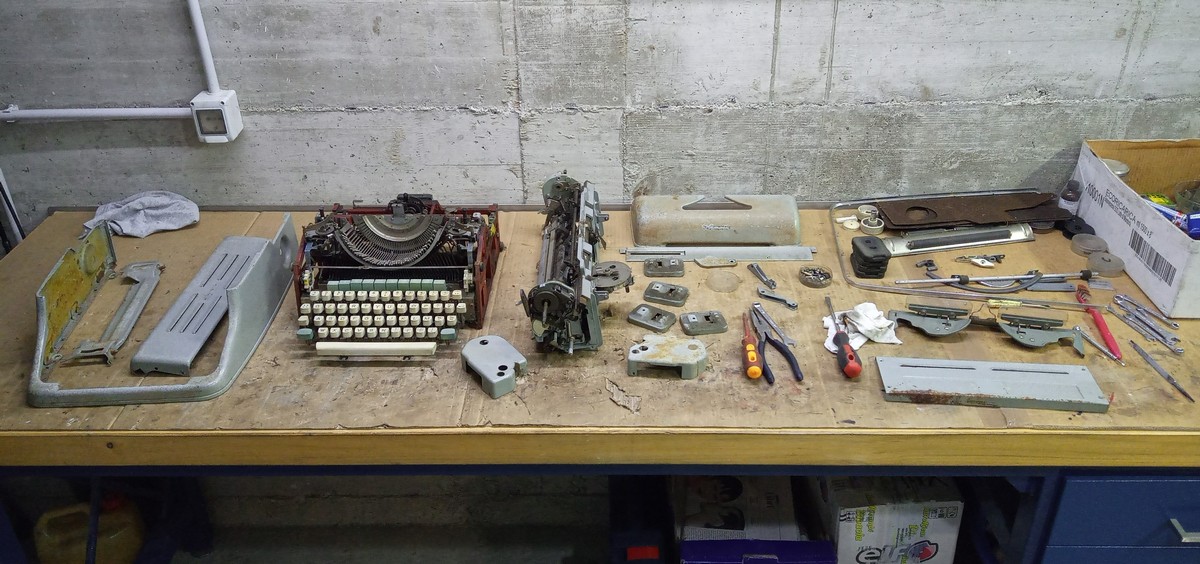
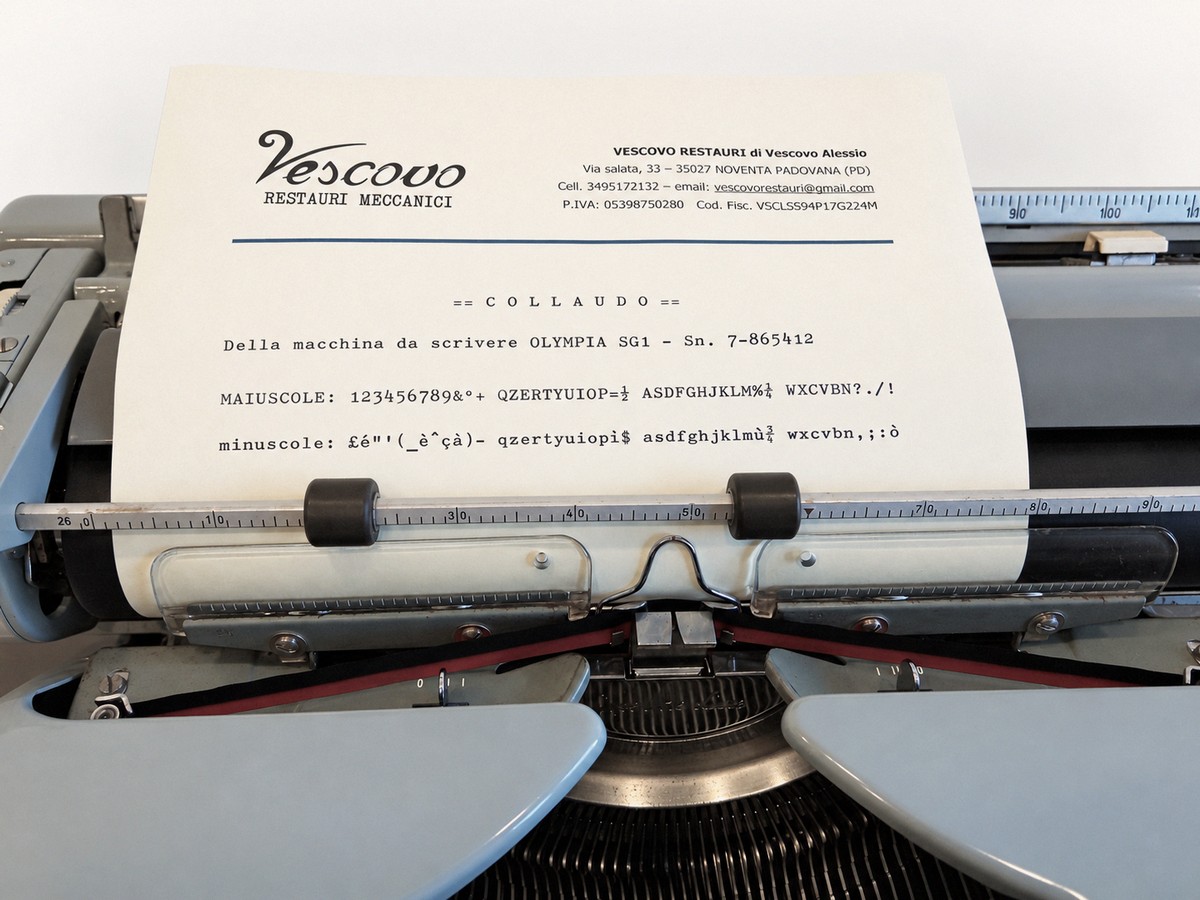
The final test was passed perfectly: even today, the SG1 offers one of the fastest and smoothest typing actions I have ever experienced. It is therefore hardly surprising that the model achieved enormous success in the United States and became particularly appreciated by professional writers.
A complete restoration of a typewriter begins with the disassembly of the machine, followed by a thorough cleaning of all mechanical components, first using an ultrasonic bath and then rinse using a petroleum-based solvent.
Once cleaned, every component is carefully dried and reassembled, and then the internal mechanism is precisely lubricated to guarantee optimal performance. The mainspring is also dismantled, cleaned, and reassembled with fresh grease, ensuring consistent tension and smooth carriage movement.
The machine then undergoes a comprehensive adjustment process, including fine-tuning of the kinematics, ribbon lift, and upper/lower case alignment. Components subject to natural wear, such as the ink ribbon, rubber grommets, carriage drawcord, and any weakened springs, are replaced with new parts.
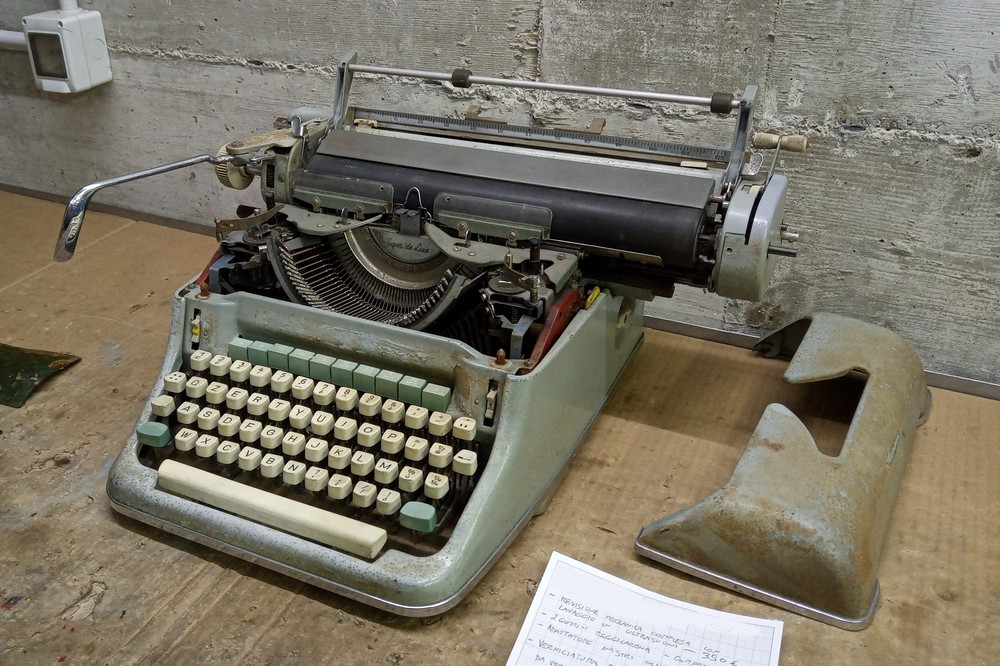
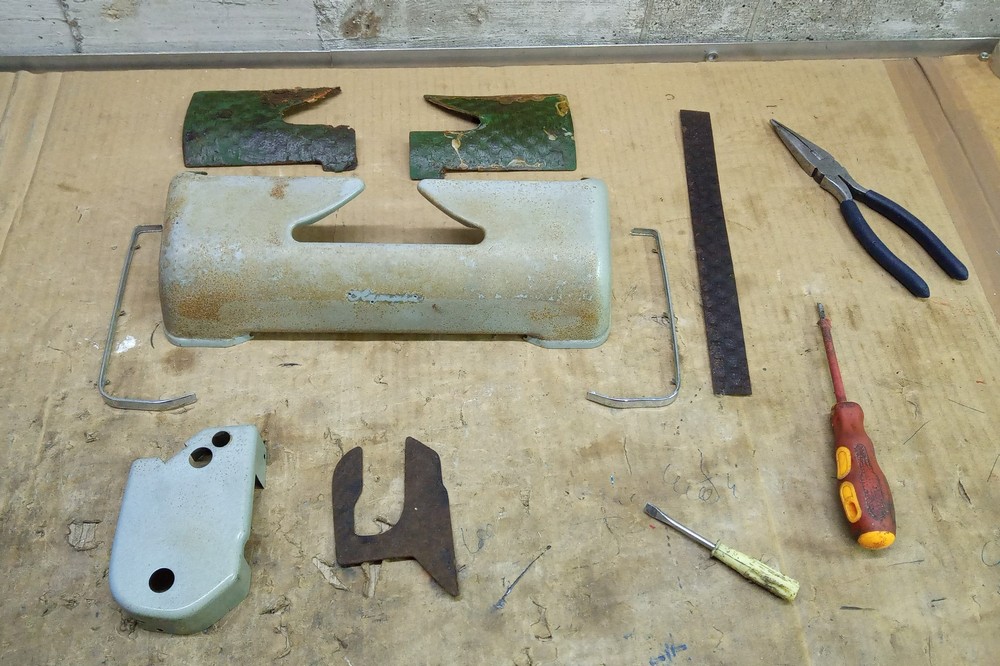
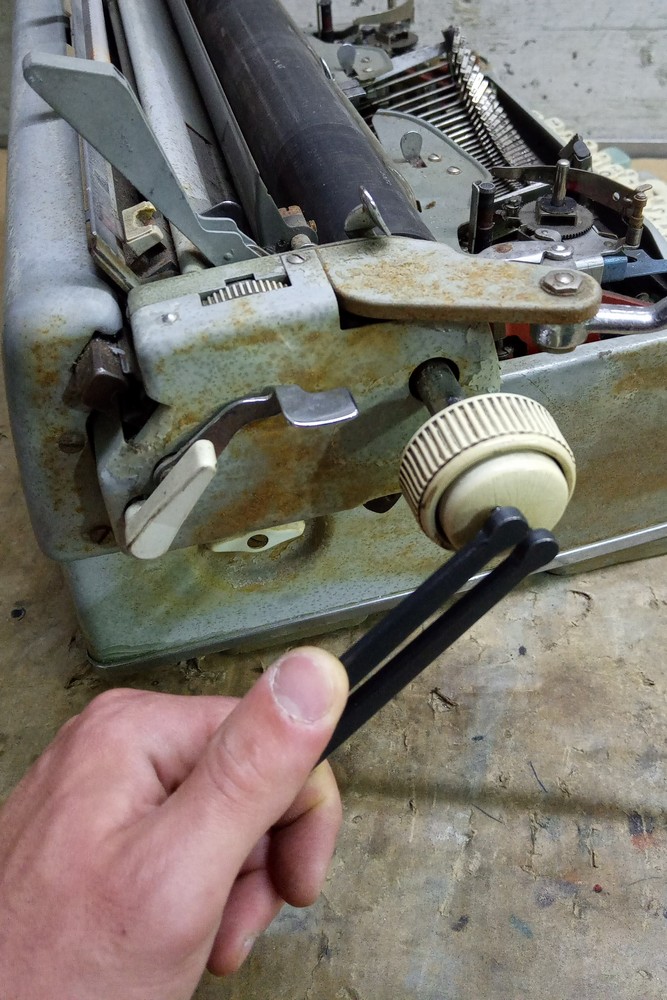
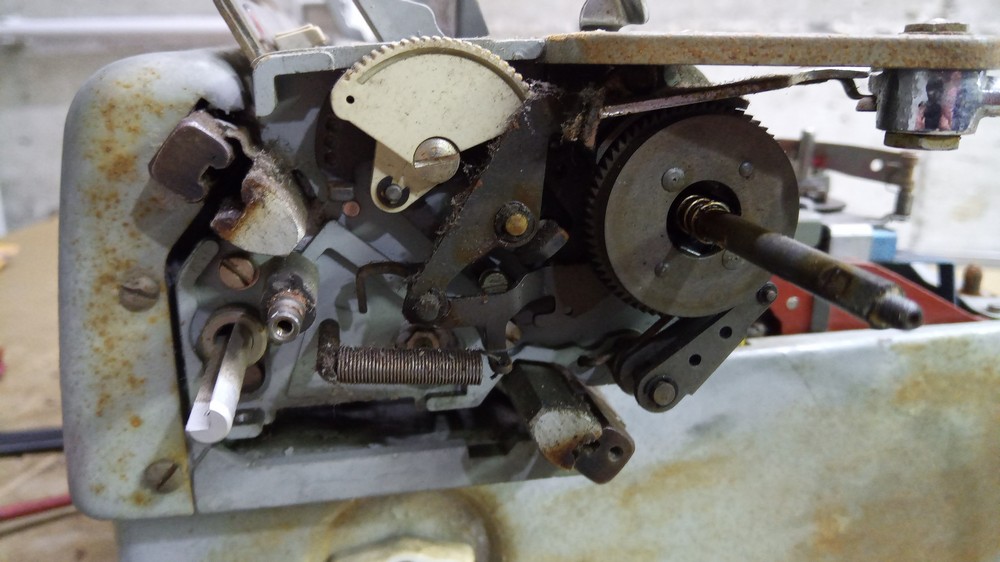
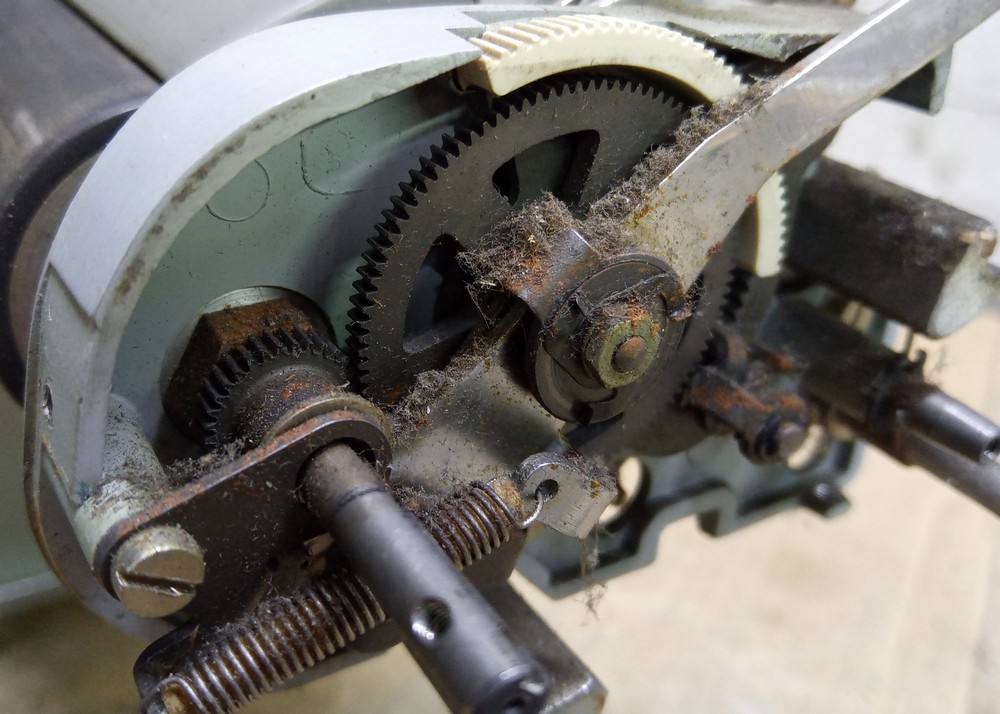
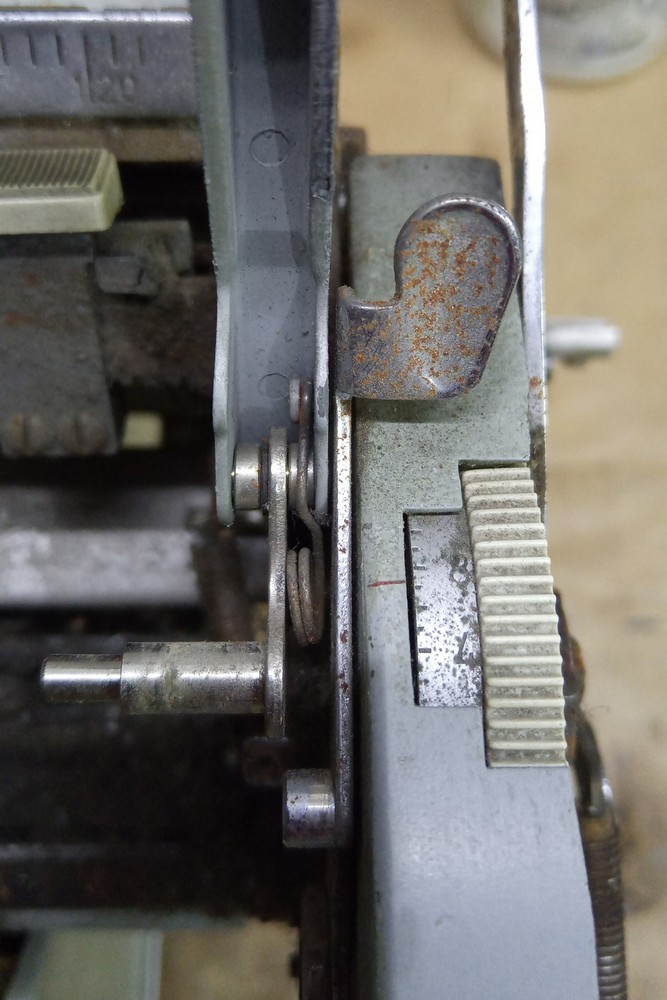
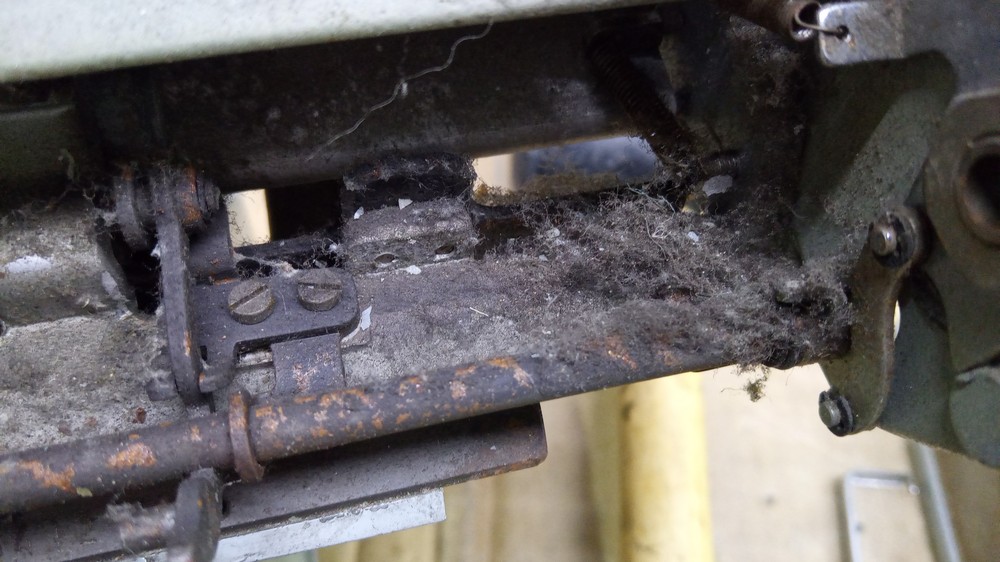
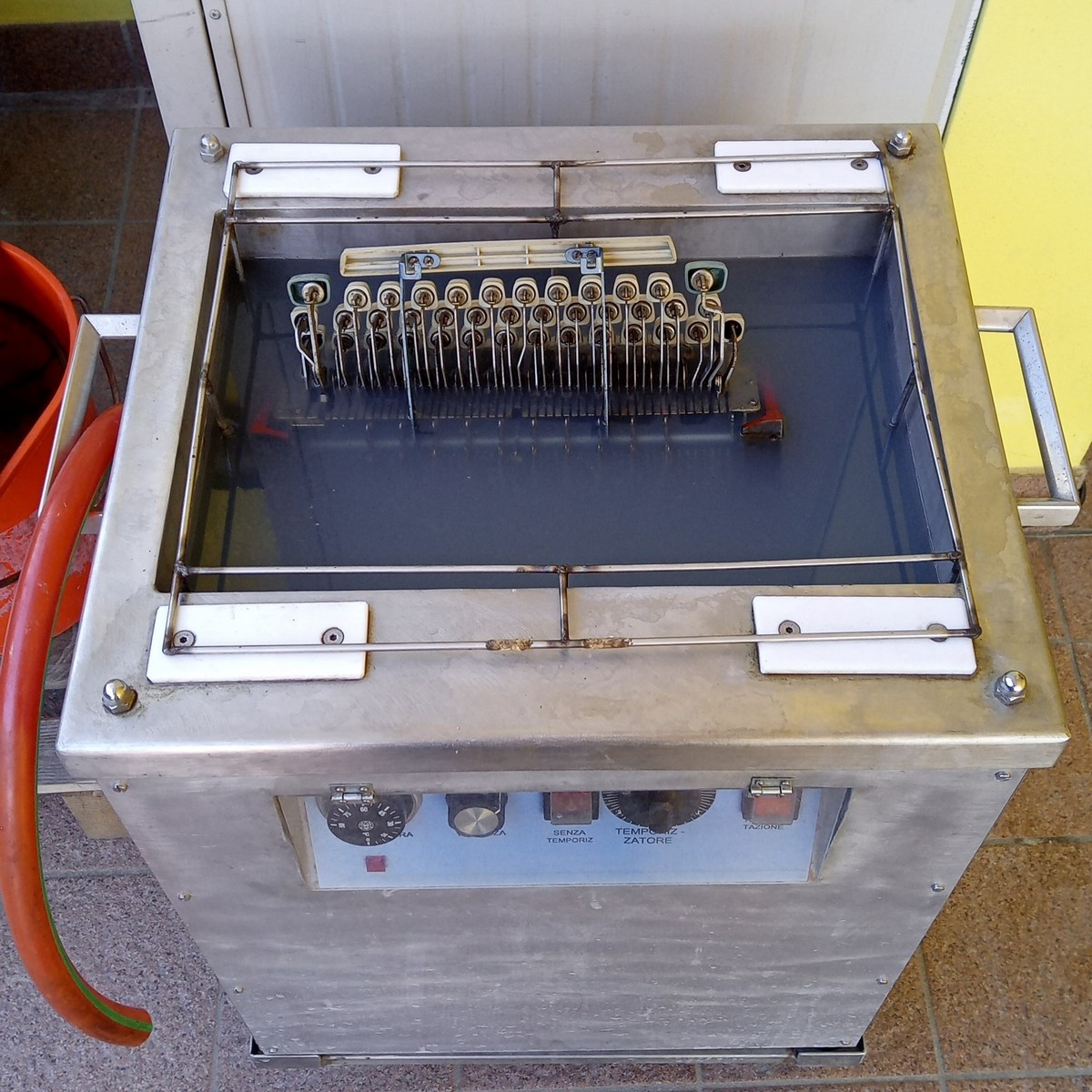
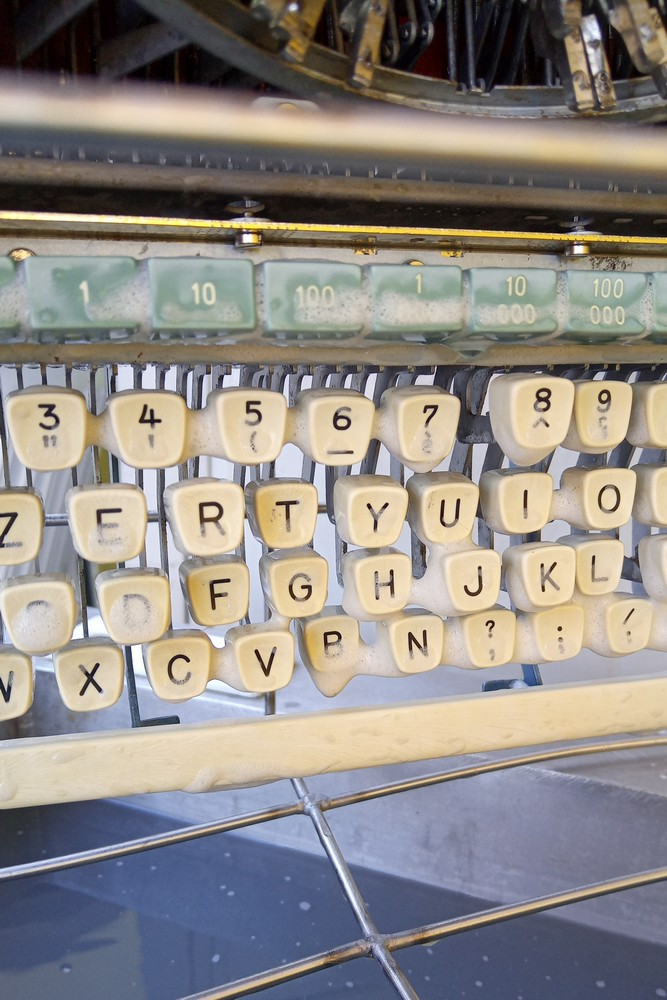
To remove dirt accumulated over decades of neglect, traditional methods such as kerosene and brushes are often ineffective. Residues such as dried correction fluid, eraser debris, hardened grease and biological deposits require a more advanced approach. For this purpose, a custom-built ultrasonic cleaning tank is used, specifically designed for typewriter restoration. Its operation is based on cavitation: high-frequency waves generate microscopic bubbles that implode against the components, producing deep mechanical cleaning combined with the degreasing action of a mild soap solution. When biodegradable detergents are used, the process is also environmentally friendly. After cleaning, all parts are rinsed in white petrol to remove moisture and prevent oxidation before lubrication and reassembly.
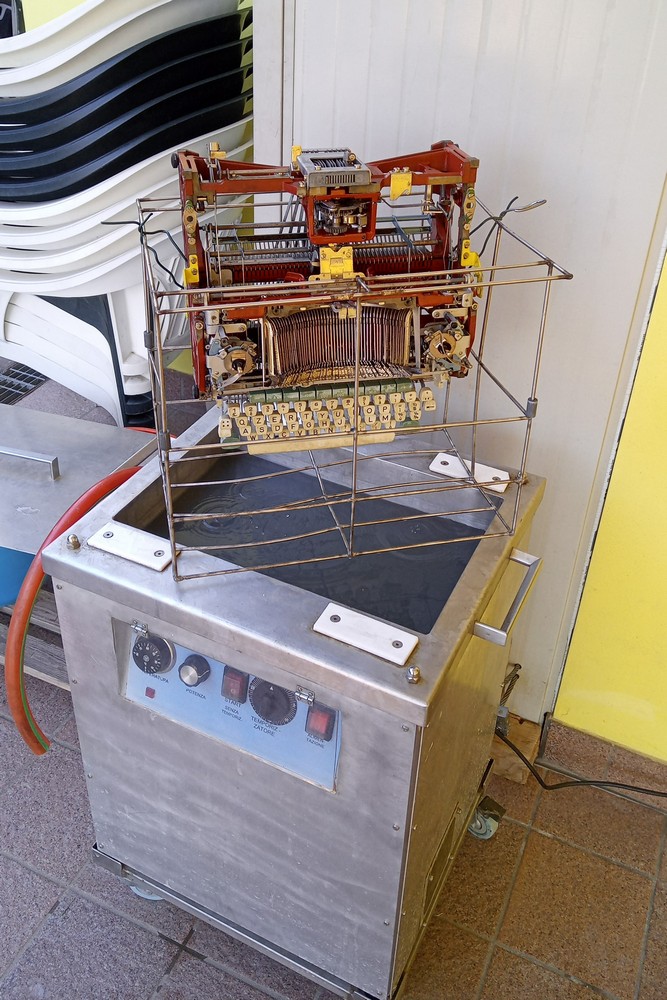
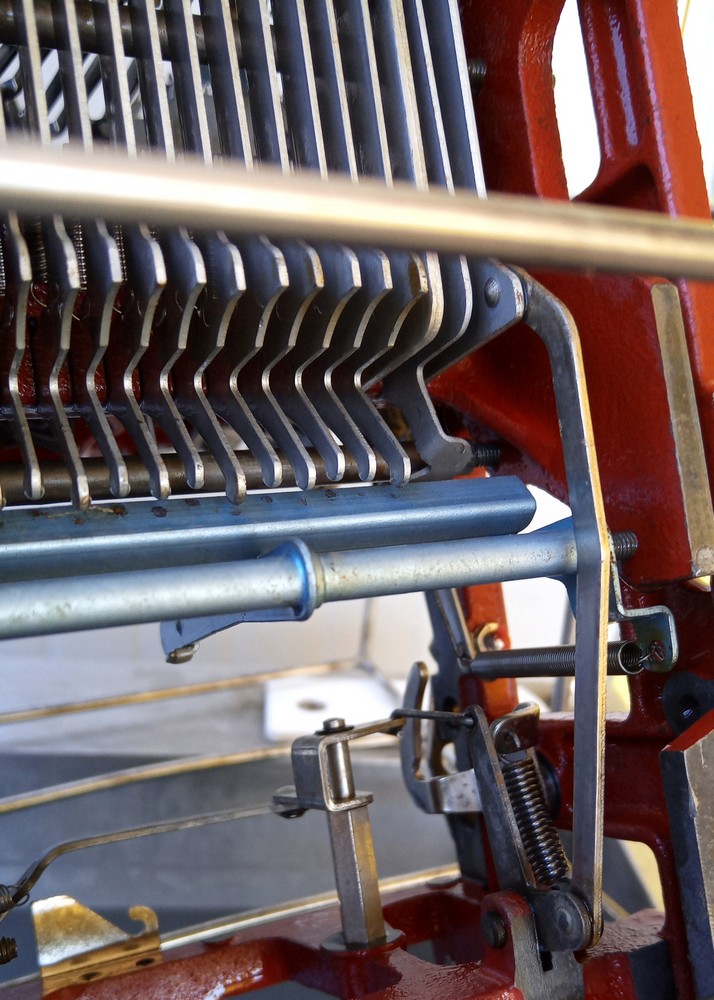
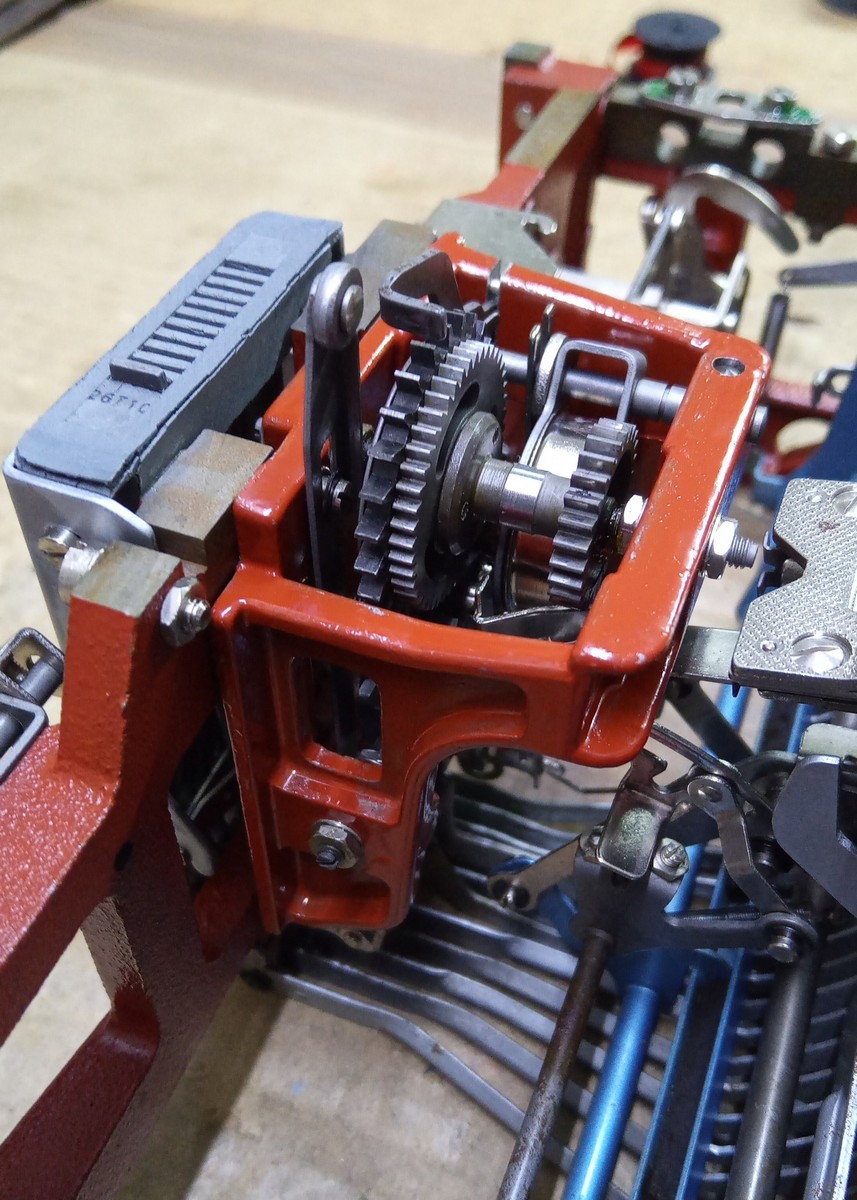
After ultrasonic cleaning, the quality of the SG1’s internal construction becomes even more striking. With the mechanism perfectly clean and shining, the blue-anodised components stand out against the red-painted frame, revealing a level of finish rarely seen inside a typewriter. It is the kind of attention normally reserved for parts the user will never see. In this respect, the SG1 really is a Ferrari among typewriters: fast and precise in use, yet just as impressive beneath the bodywork.