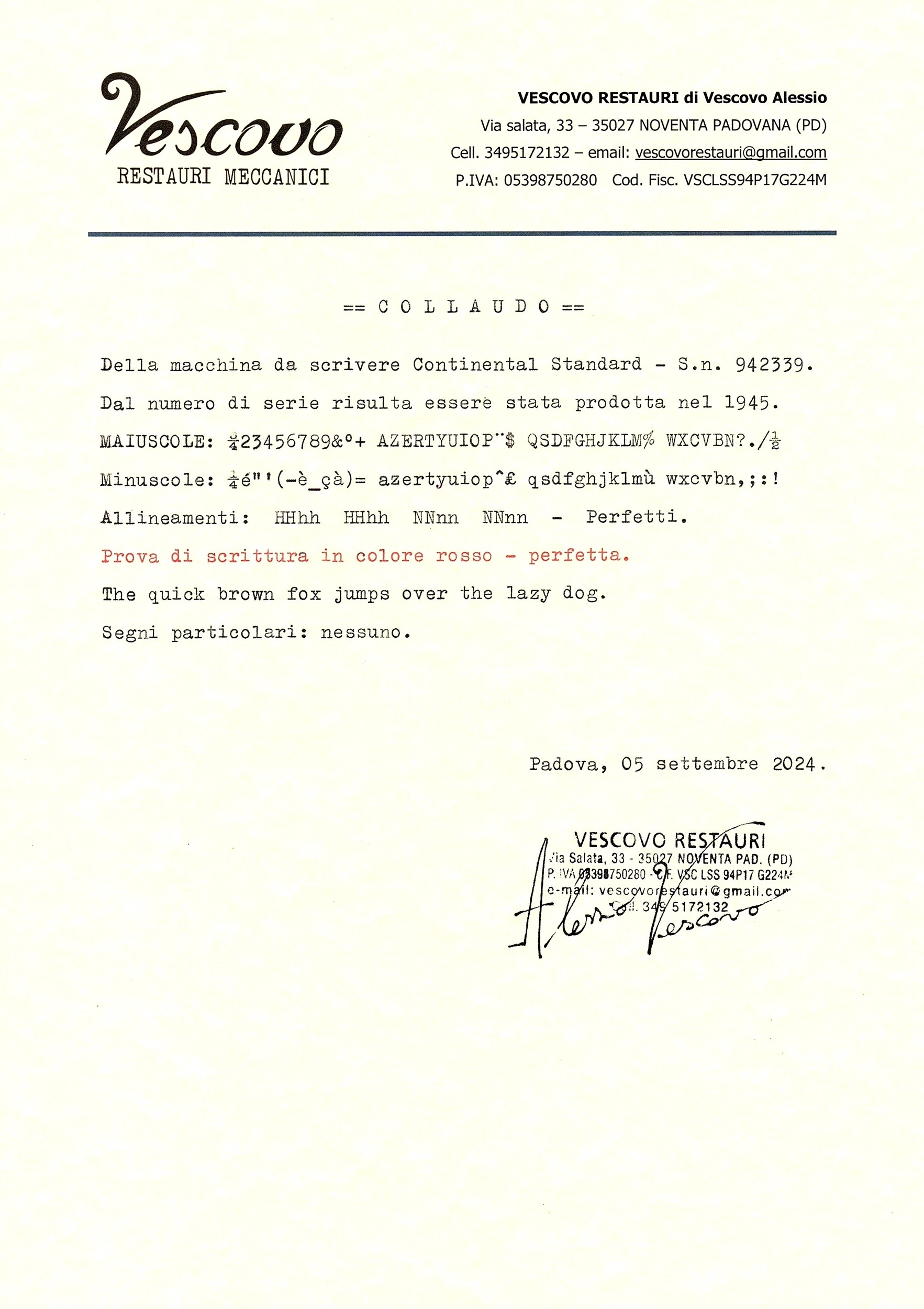


The Continental Standard is a highly successful typewriter model produced in Germany by Wanderer-Werke starting in 1904. The history of this company, founded in 1885 in Schönau, is in many ways similar to that of Triumph. It began as a bicycle manufacturer before expanding into various sectors, including typewriters.
The machine featured in this article, based on its serial number, was produced in 1945. It was therefore born amid the ruins of a factory struck by Allied bombings, shaped by the hands of a people already exhausted and suffering. Yet none of this is reflected in the machine itself: its details are as finely finished as those of all other Continental models produced in the previous 41 years. I find this remarkable, and it invites reflection on the dedication to quality that companies once upheld: even under bombardment, a typewriter still had to be built to perfection.

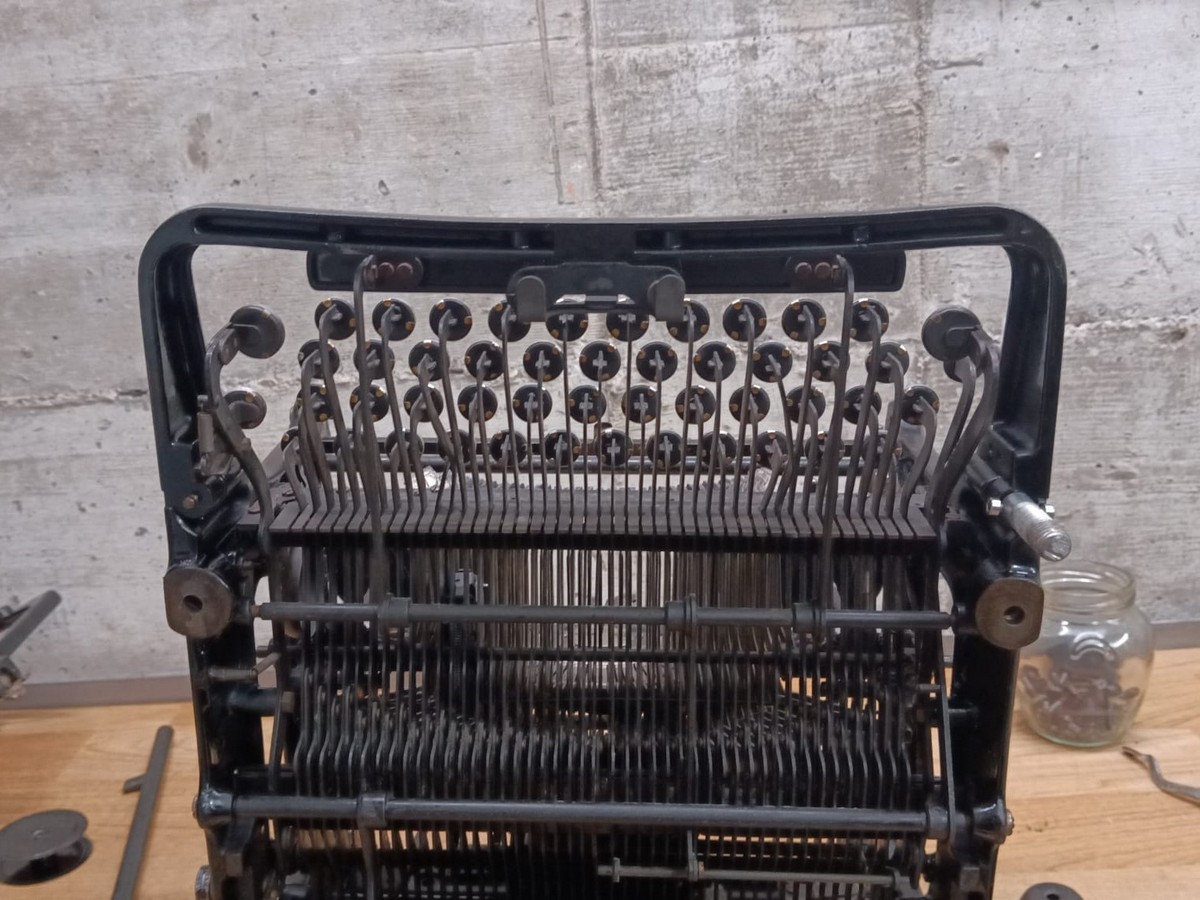
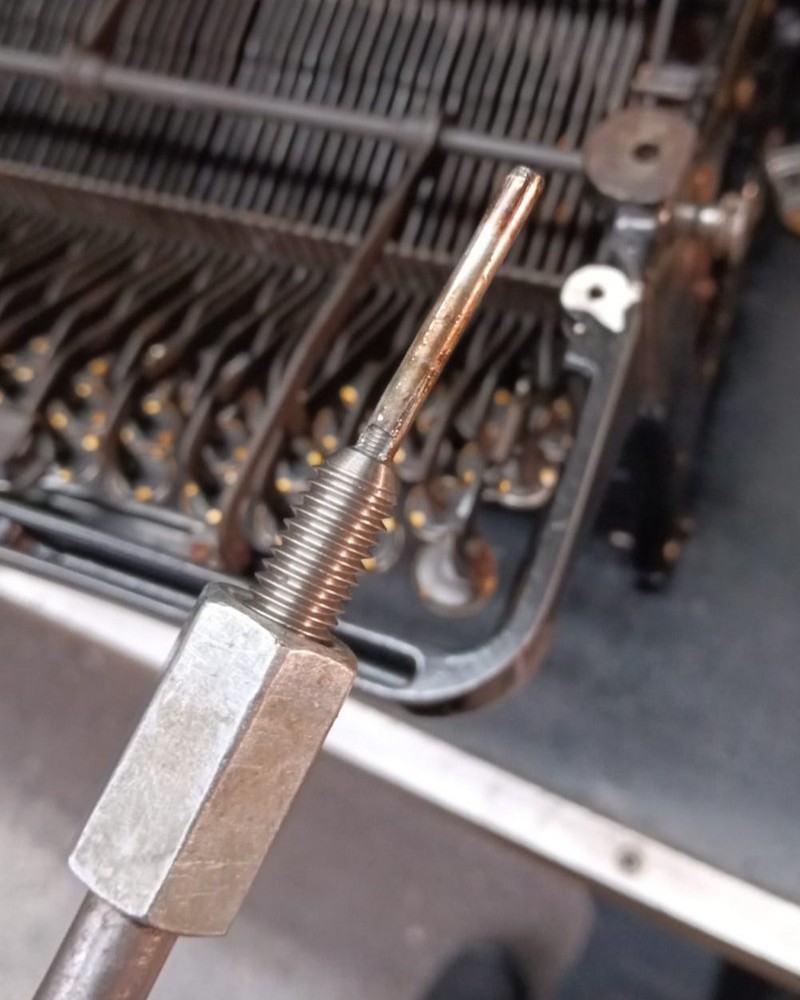
For the restoration, it was necessary to remove the metal frame surrounding the keyboard, as it had been severely bent by a strong impact. The tabulator was first removed, and then the two fixing pins were extracted using a slide hammer. The right pin came out very easily, while the left one proved extremely stubborn. It became necessary to drill a hole, tap it to M3, and then proceed using the slide hammer screwed into the thread. Fortunately, after several attempts, it was finally possible to extract it. The frame was then heated with a bodywork heat gun in an attempt to straighten it; however, as is typical with cast alloys, this was not successful—it cracked and broke at the tabulator mounting point.
Fortunately, having a Continental of the same version in stock for spare parts, the required replacement was sourced. The alternative of TIG welding—which I have successfully used for many years on cast iron frames—would have been problematic in this case, as the material was an aluminum alloy, likely with a high zinc content (ZAMAK), which is notoriously difficult to weld.





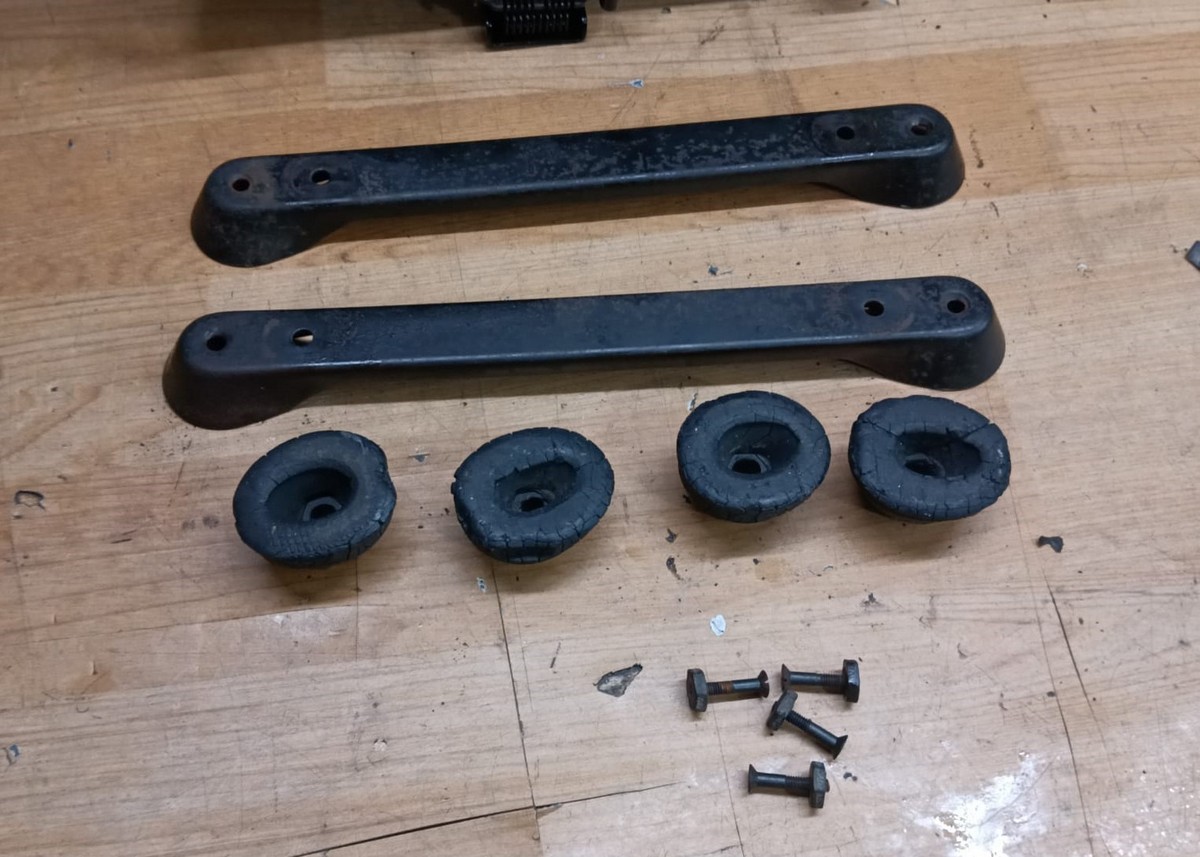
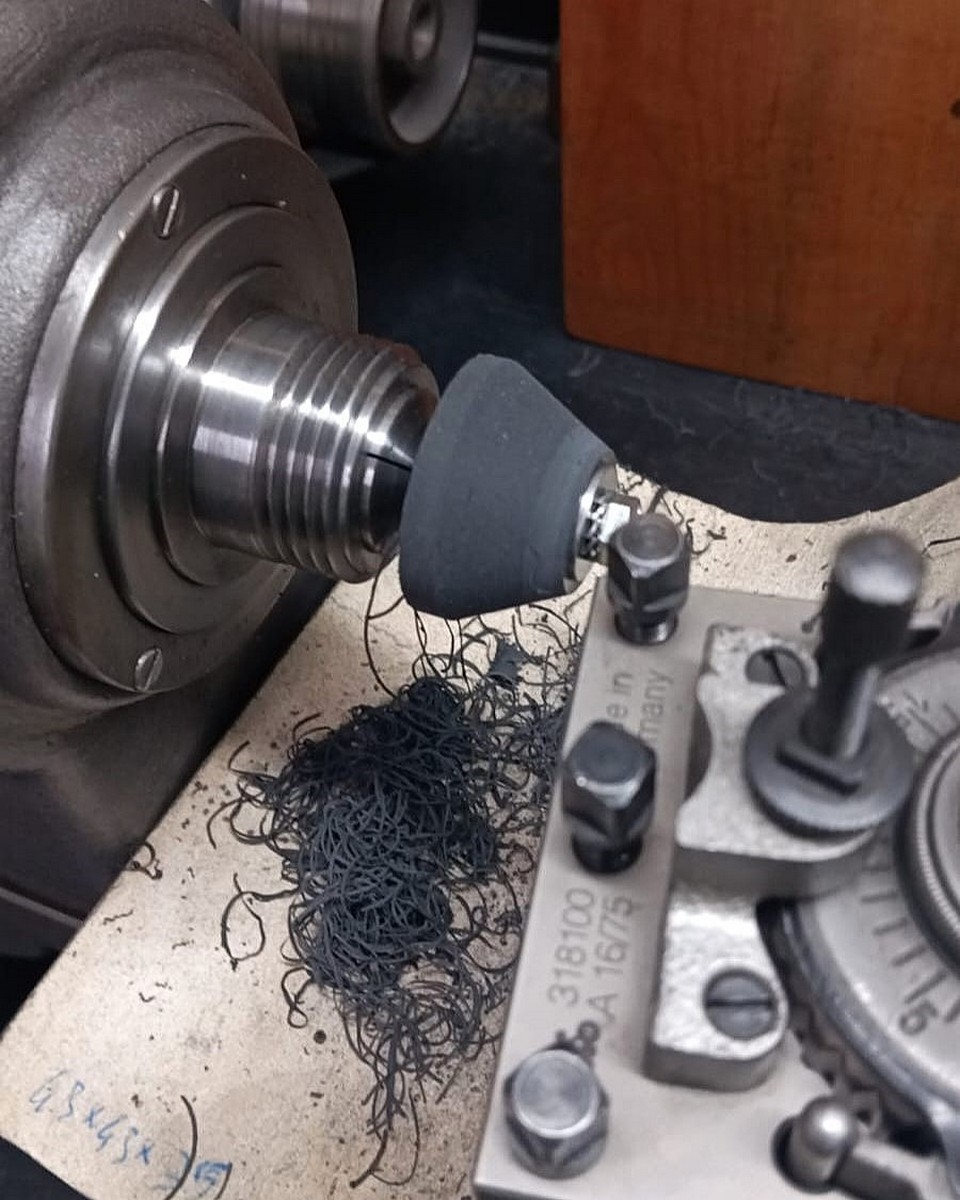
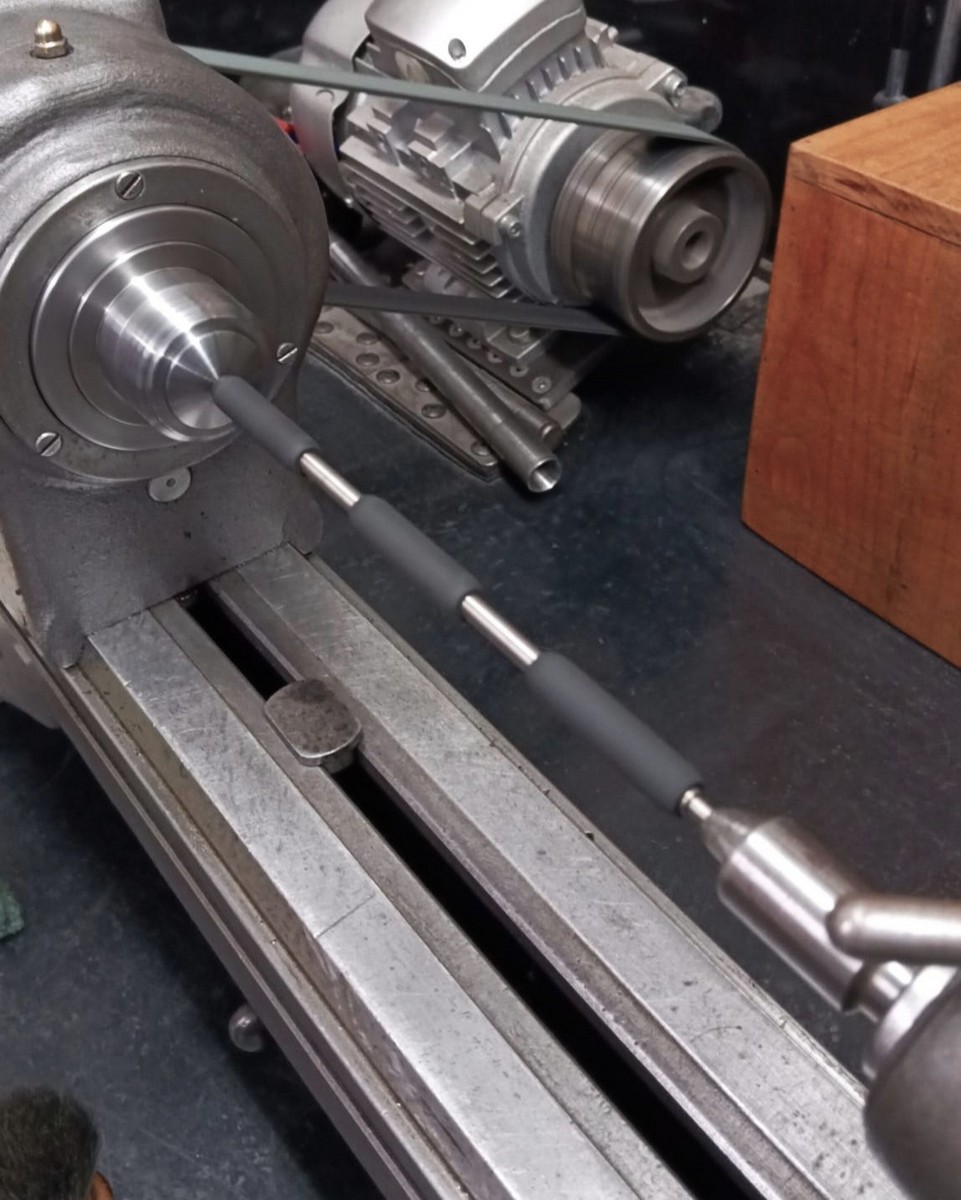
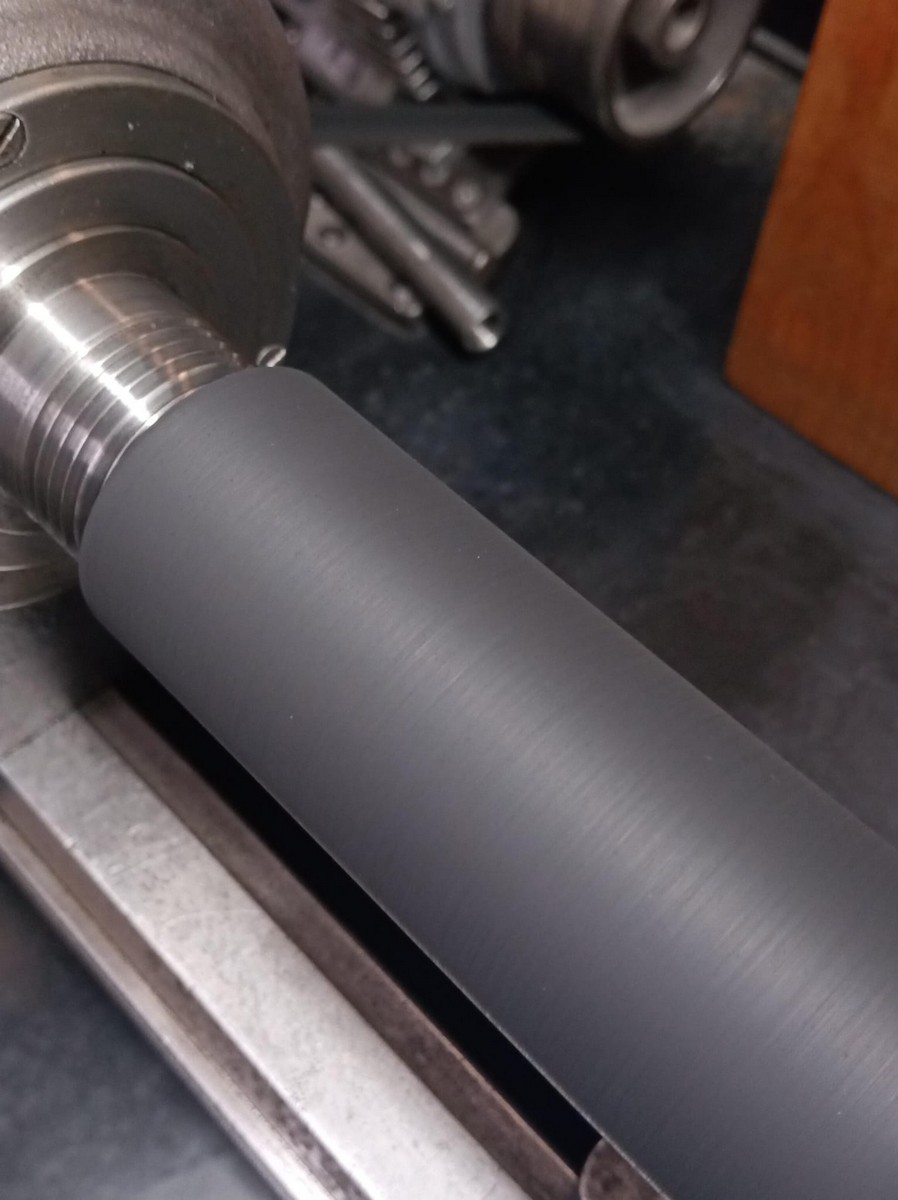
To restore a Continental Standard to perfect working condition, it is essential to rebuild the various rubber components, which over time tend to harden and eventually crumble completely. Feet, main platen, and both lower and front paper rollers—all must be renewed. Everything is made possible thanks to experience and specialized equipment. For more information, please visit this page.


Against stubborn dirt dried after fifty or more years of neglect, the classic combination of kerosene and a brush would achieve very little. I am referring specifically to dried correction fluid, eraser residue —sometimes melted by the heat of an attic—, hardened grease, deposits of sebum mixed with dead skin, and so on. The ultrasonic cleaning tank I use in my restorations was built by a specialized company and is specifically designed and custom-made for cleaning typewriters.
How does it work? The phenomenon involved is cavitation. The powerful waves generated by the sonotrodes are transmitted into the water, creating microbubbles at extremely high pressure that implode upon contact with the object. Using a simple solution of water and soap, a combined action is achieved: a physical high-frequency “micro-brushing” effect together with the degreasing action of the detergent dissolved in the bath. The result is excellent, with a low environmental impact when biodegradable soaps are used.