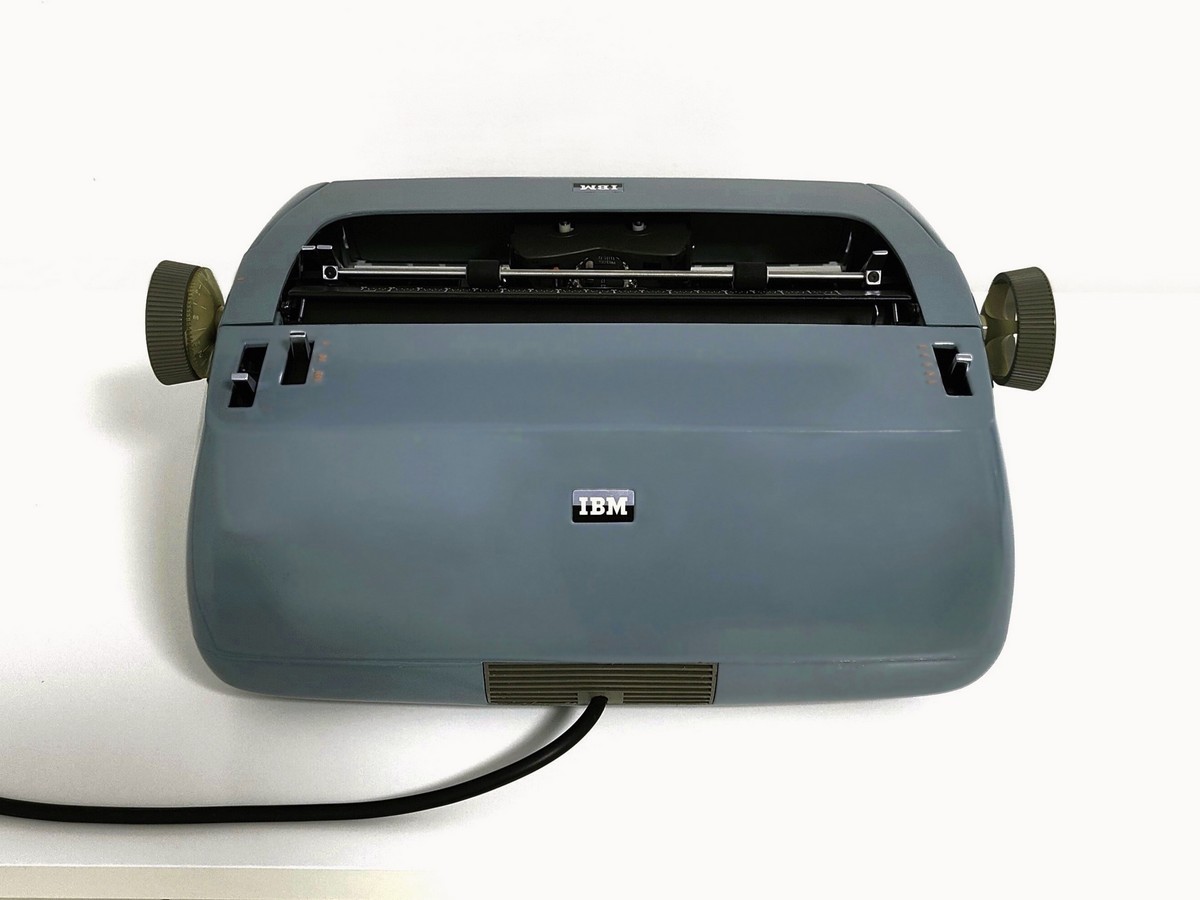
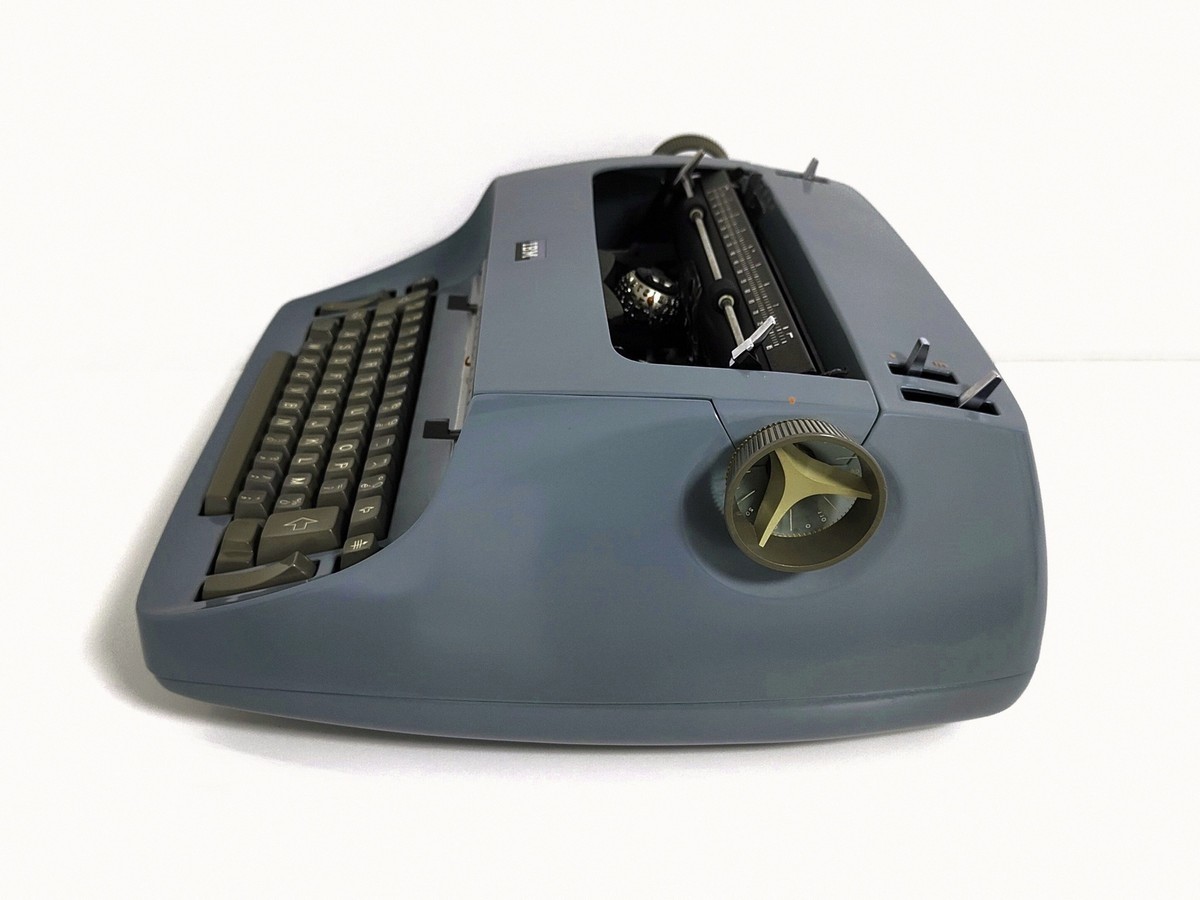
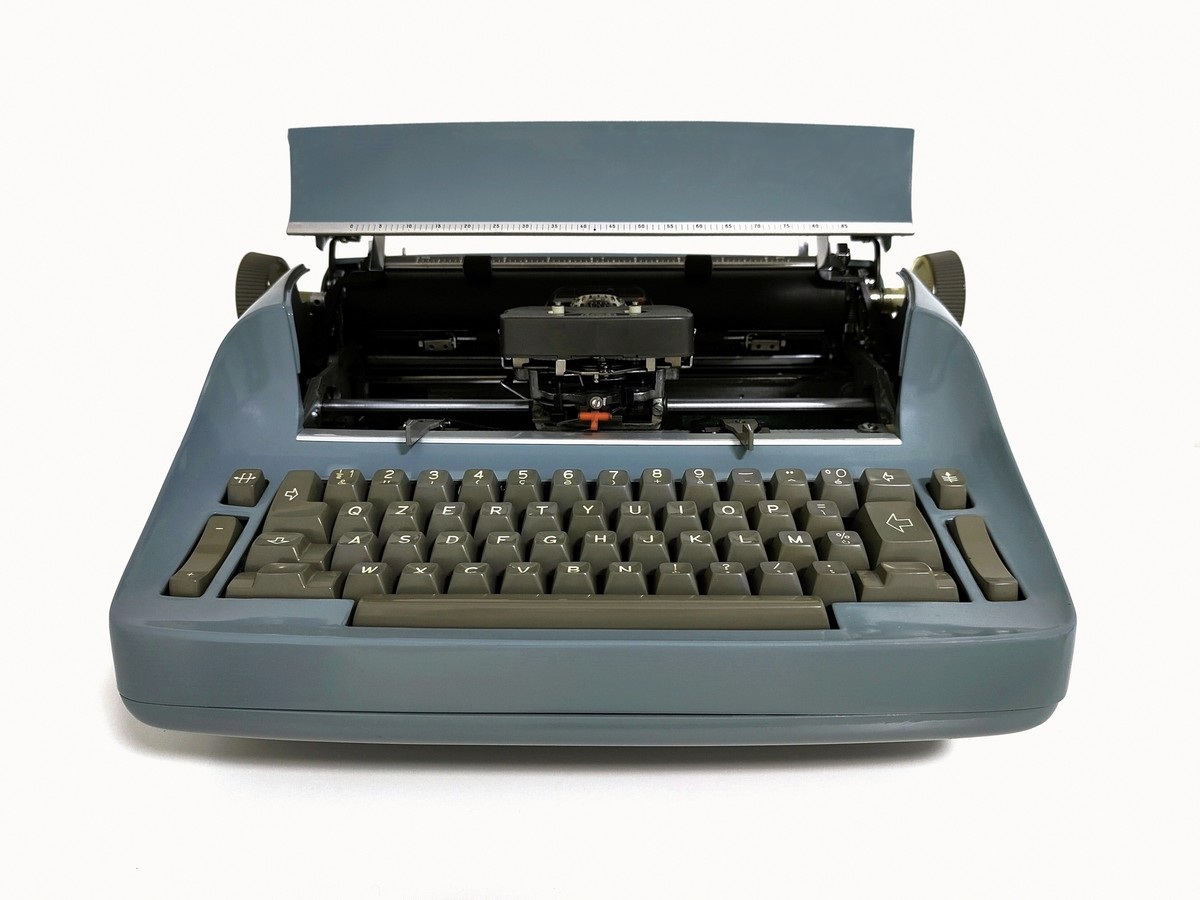
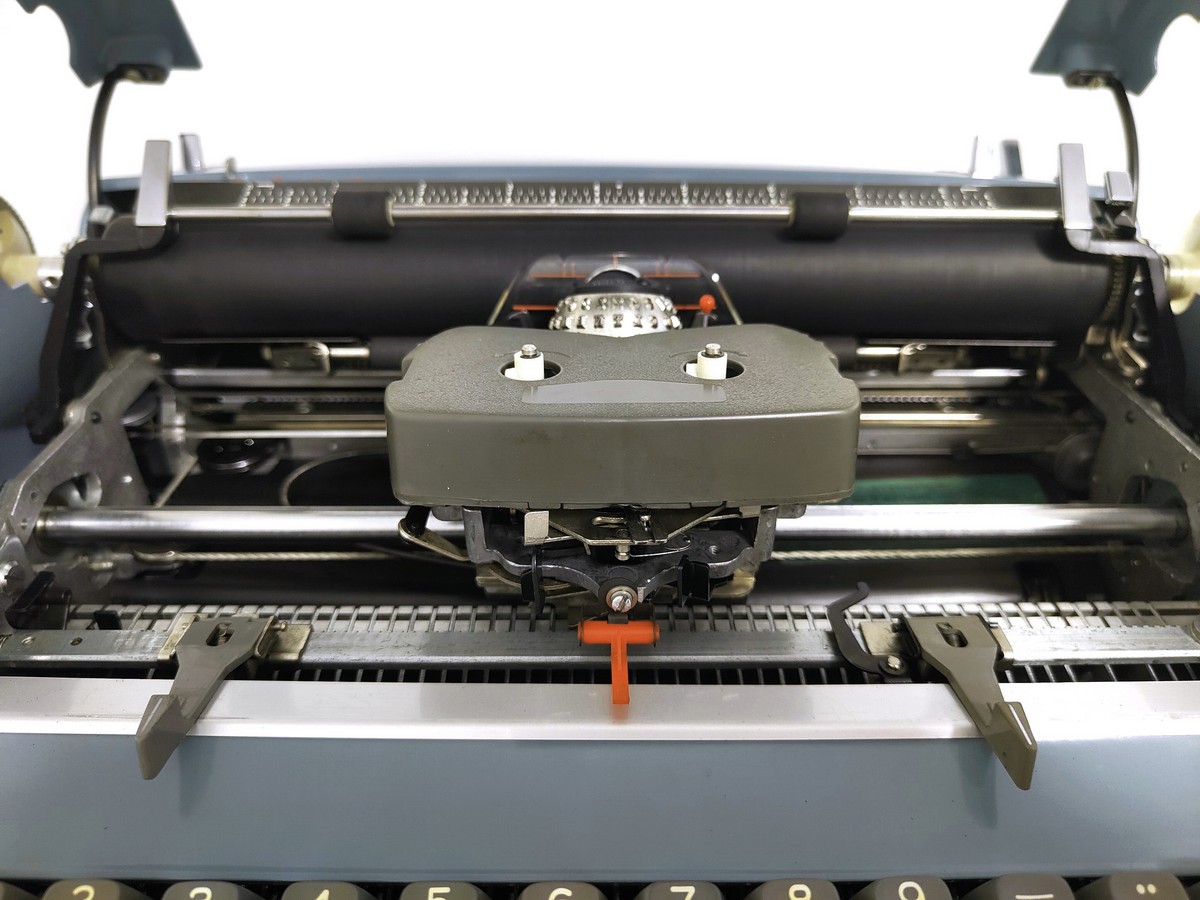



In 1961, all the major typewriter manufacturers offered an electromechanical model. It could be expensive or affordable, faster or slower, with proportional or standard spacing; however, all these machines shared one characteristic: they wrote by means of typebars. Thus, the Italian manufacturer Olivetti produced the Lexikon 80E, the 84 and the Raphael; the Swiss company Hermes had already been producing the electric Ambassador for several years, while the German manufacturer Olympia offered the SG-E, and so on. The only exception was the Vari-Typer, which printed by means of a shuttle using technology almost eighty years old, derived from the Hammond.
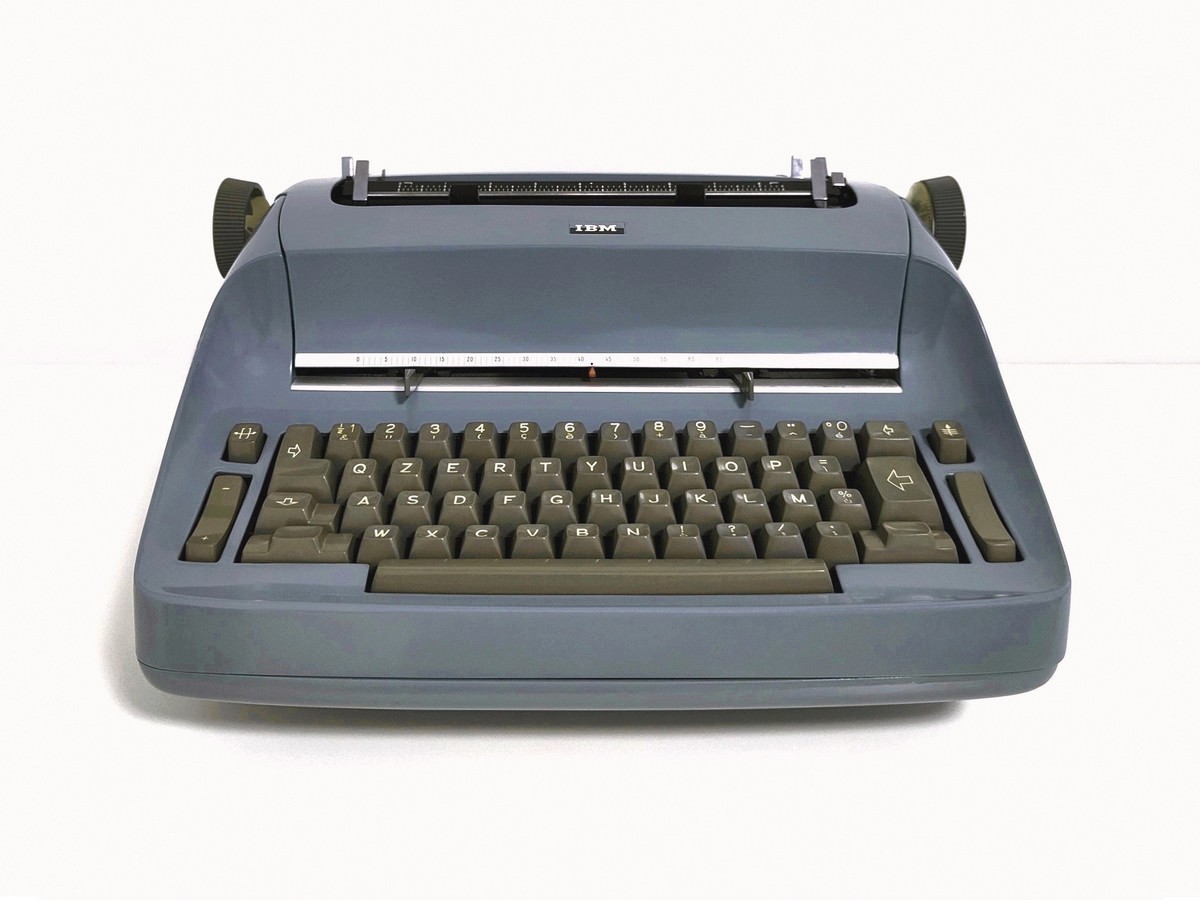
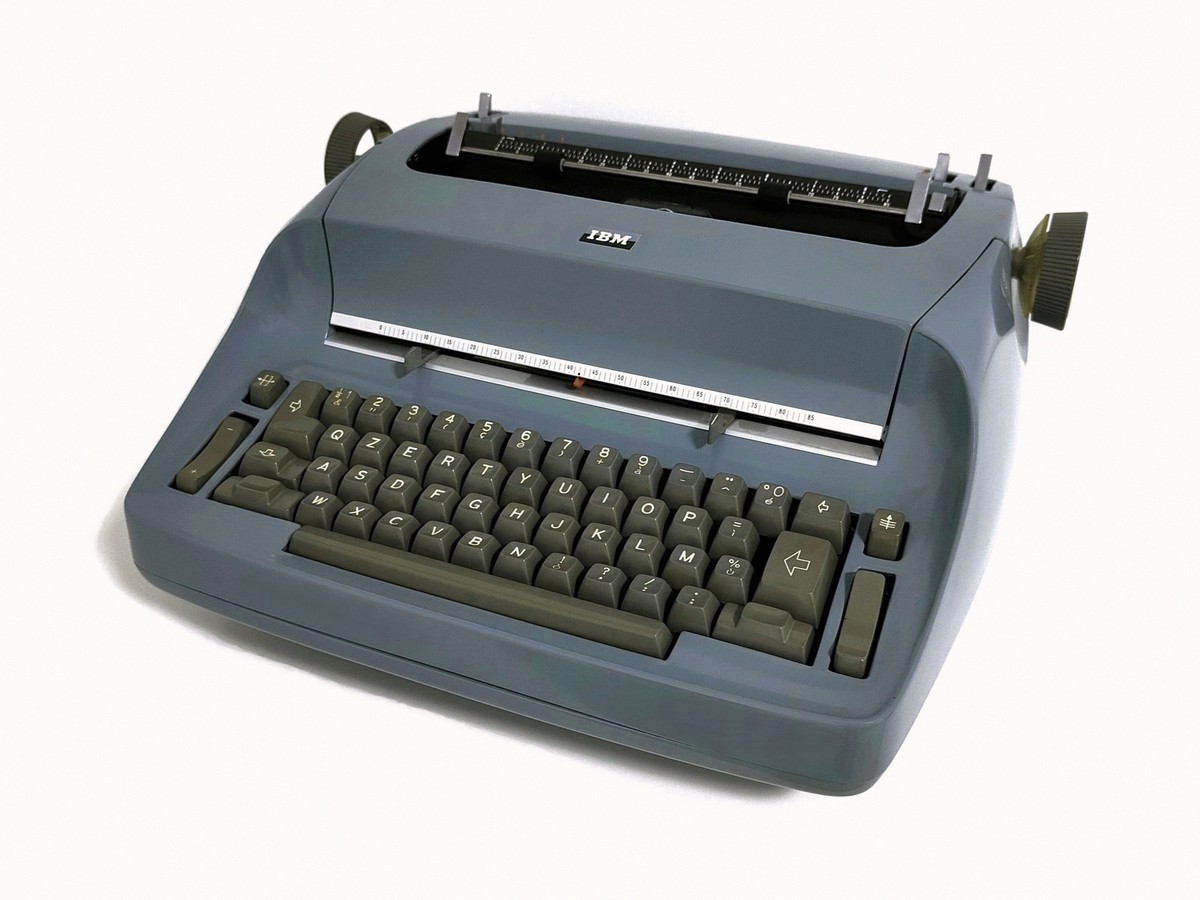
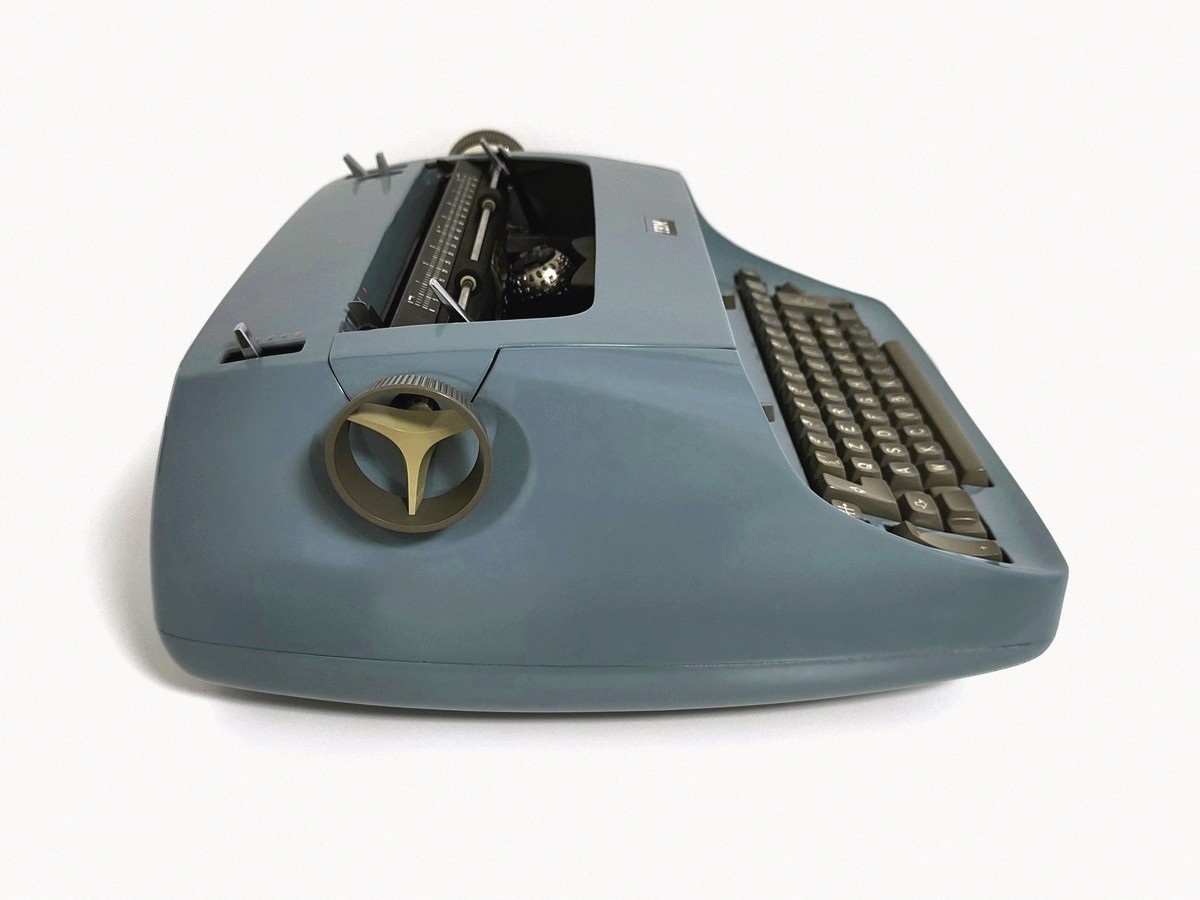
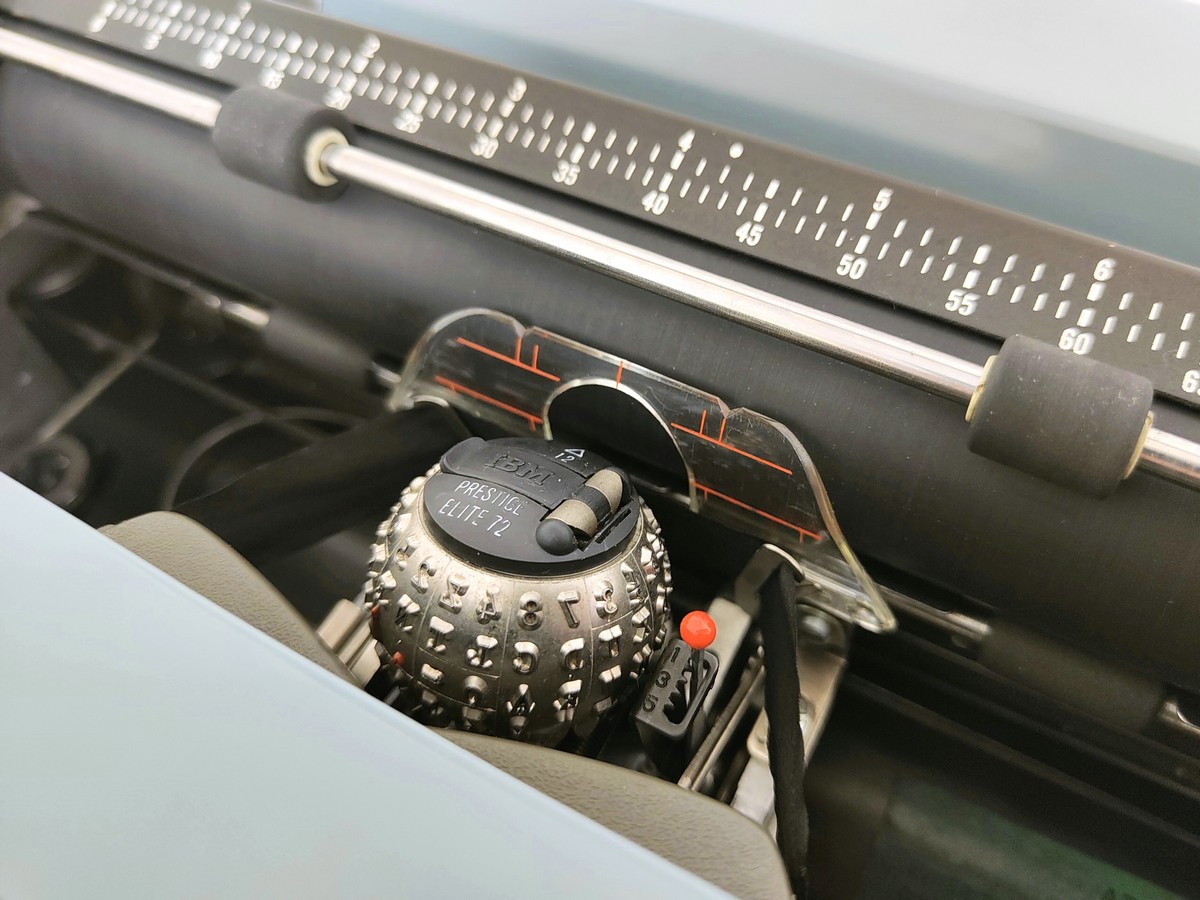
This is the international context in which the public introduction of the IBM Selectric should be imagined, with three particularly important features. The first key point is the famous “golf ball”, a spherical typing element carrying 88 characters and easily replaceable in just a few seconds. The second is the use of a moving typing unit with a stationary platen: this effectively halved the desk space required to operate a typewriter. Finally, exceptional overall typing comfort was achieved through a number of thoughtful design features, including the ergonomic keyboard with its “Spherical All” design, a style still found today on some of the finest mechanical keyboards.
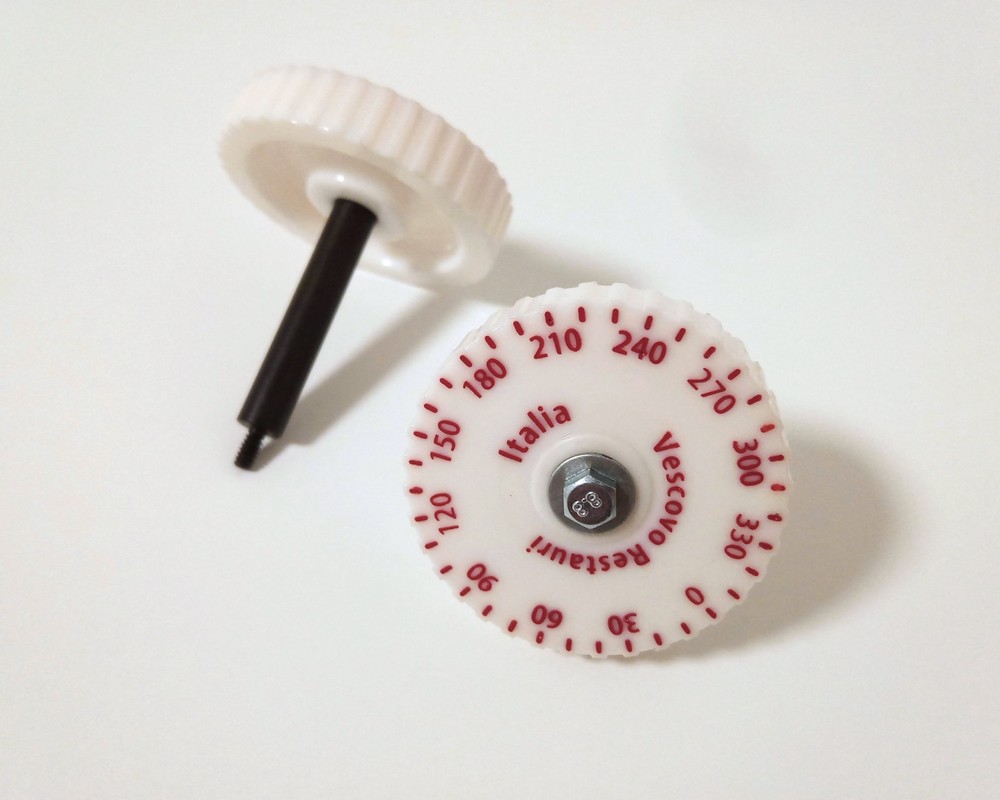
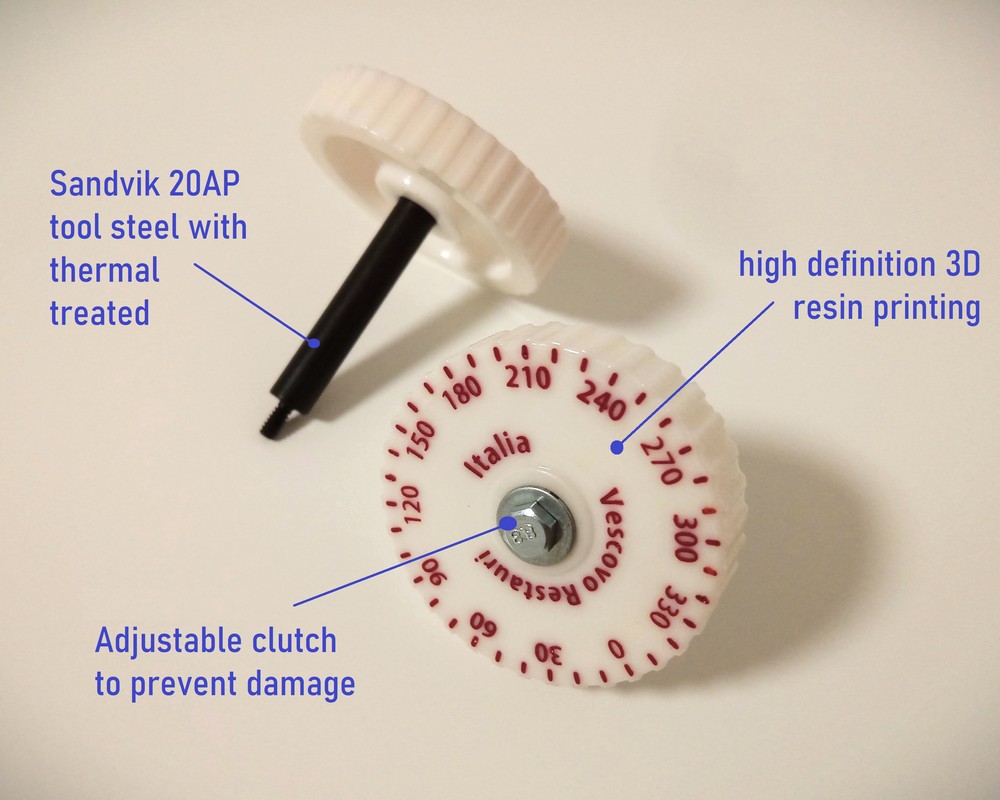
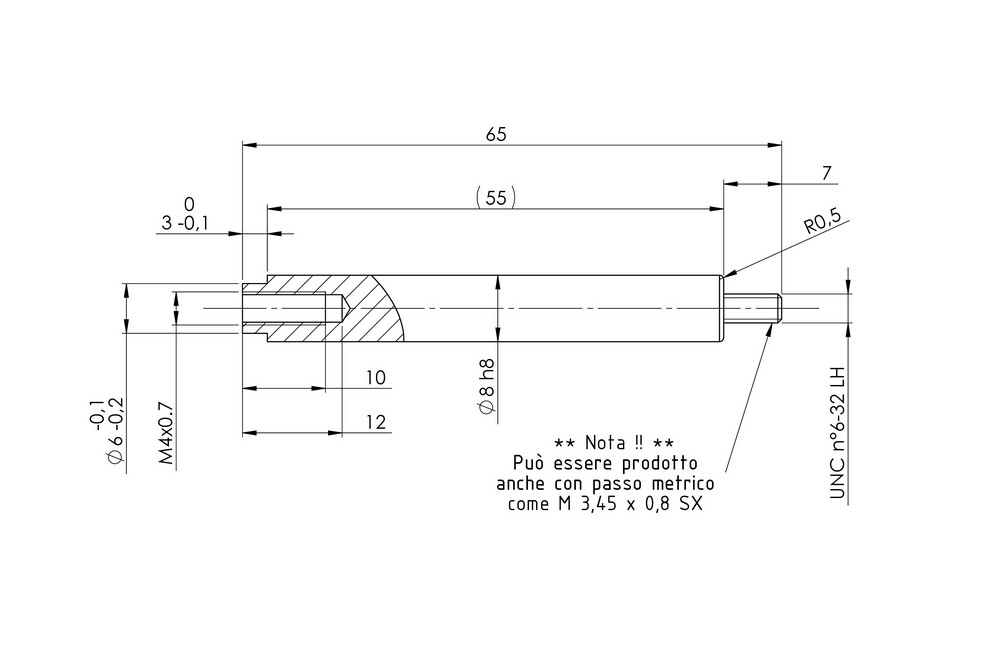
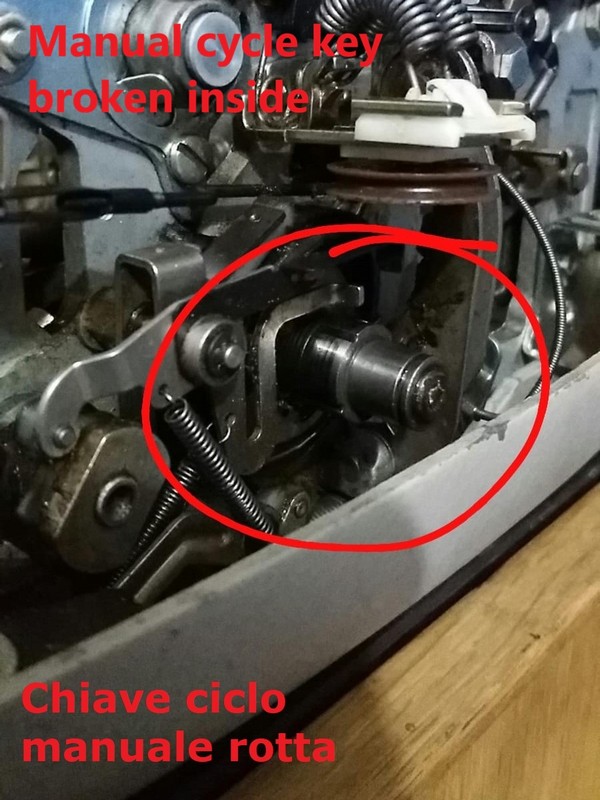
To restore an IBM Selectric, a Manual Cycle Tool is essential, because the powered cycle should only be started once there is absolute certainty that the mechanism is correctly adjusted and properly timed; otherwise, serious damage may result. In practice, the brute force of the motor is replaced by the sensitivity of the operator’s hands: part of the skill lies in feeling whether the cycle runs smoothly or encounters any binding. Replacement T-handle tools are commercially available, but reports from those who have used them describe them as rather uncomfortable and made from relatively poor-quality steel. I therefore decided to manufacture one to the highest possible standard, using Sandvik AP20 tool steel.
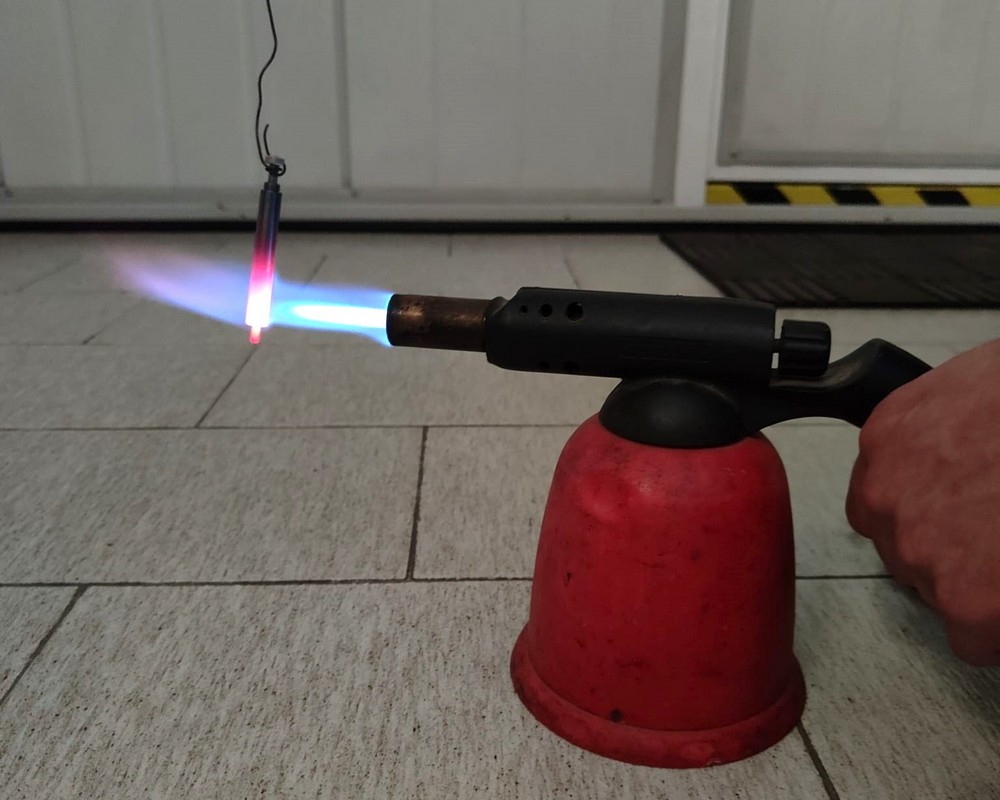
The thread is the American UNC No. 6-32 LH type: a left-hand thread with 32 threads per inch. Converted to millimetres, the pitch is 0.794 mm, extremely close to 0.8 mm, which is a metric pitch. In practice, the thread can be replaced with an M3.45 × 0.8: the diameter may be “invented”, but the pitch is a standard metric one and can easily be produced on any European lathe. It works perfectly! After turning, the steel component was heat-treated by hardening followed by tempering in order to provide high mechanical strength, and was finally blackened.
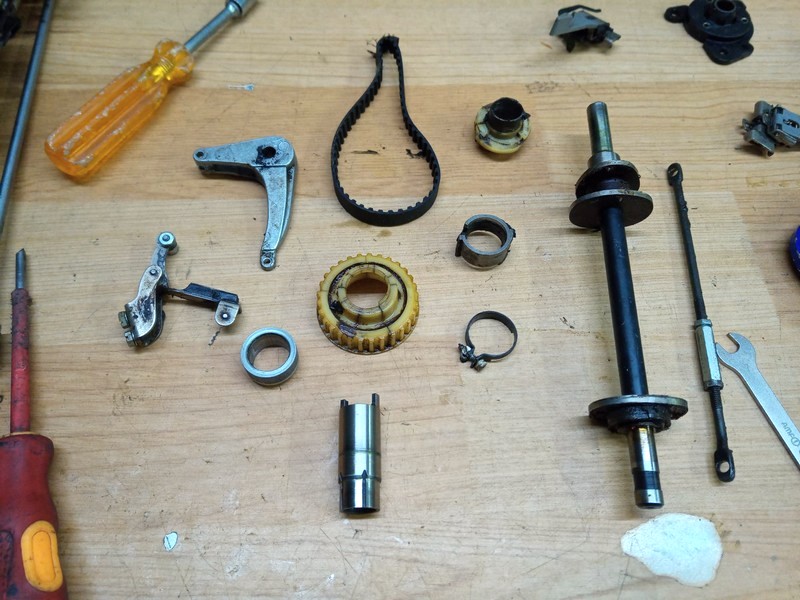
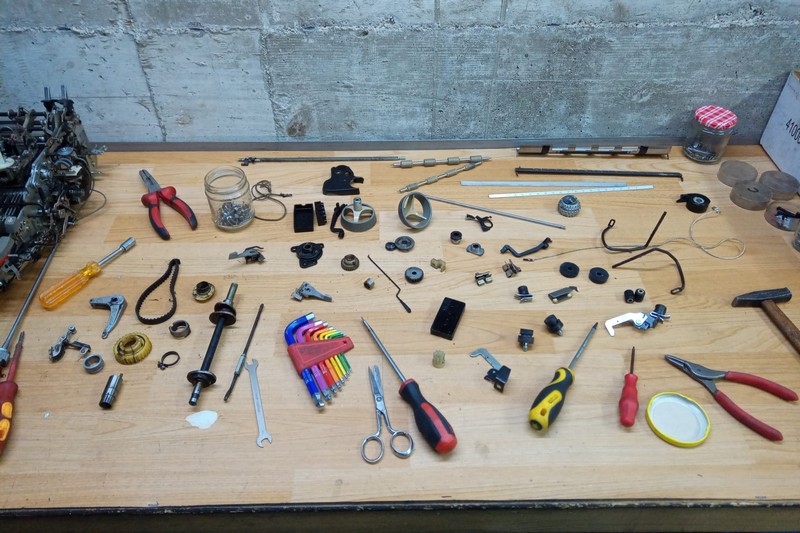
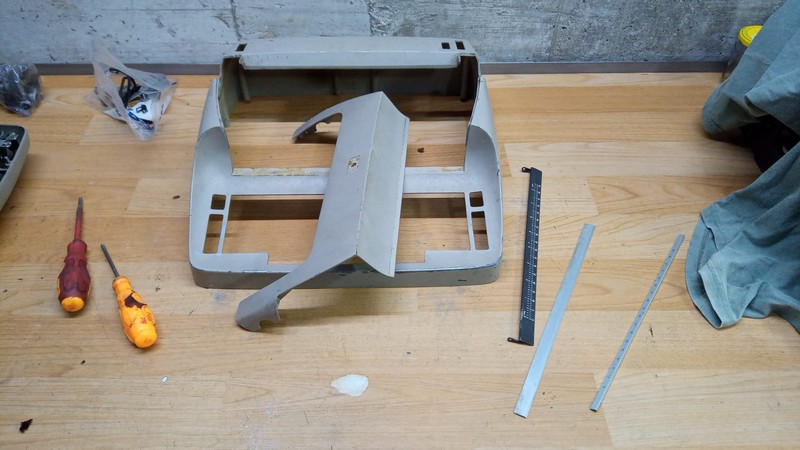
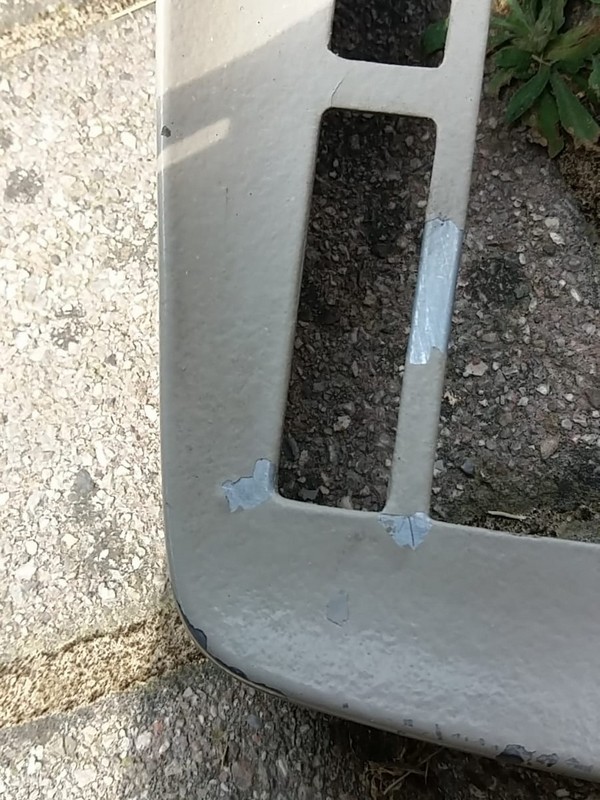
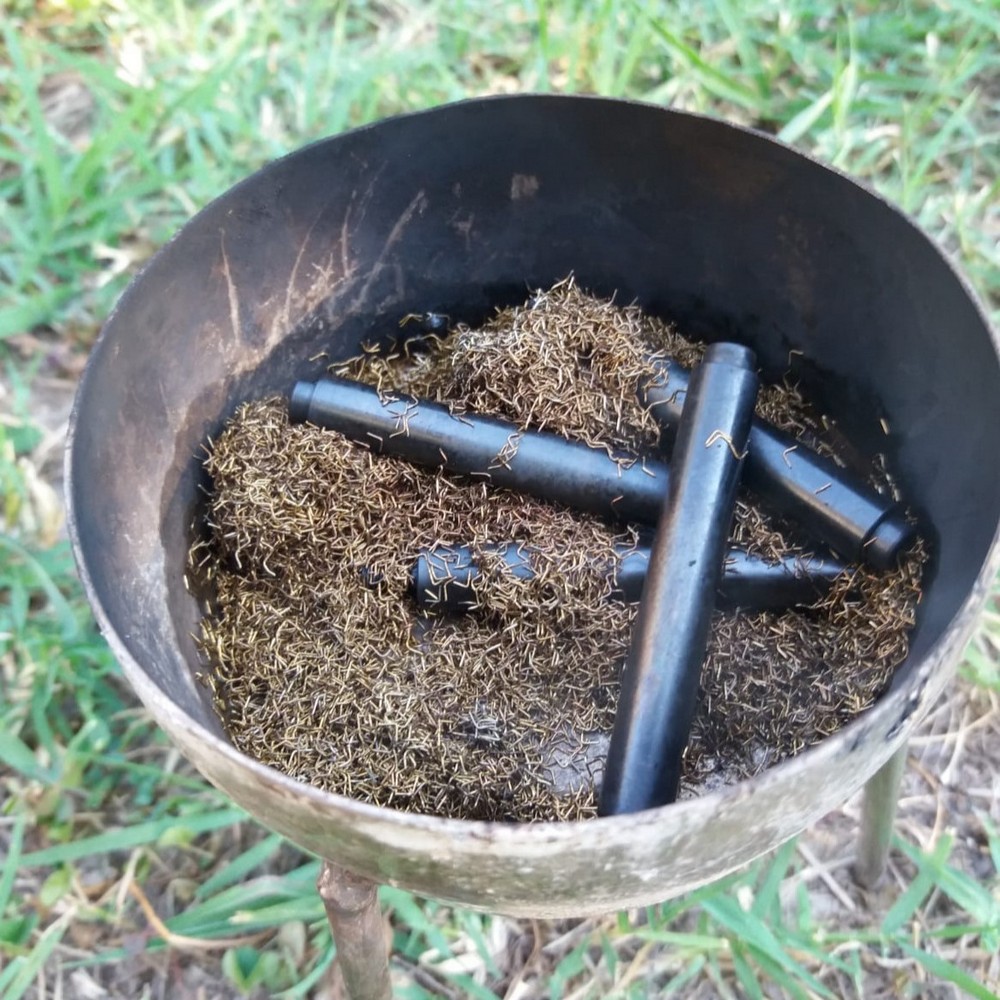
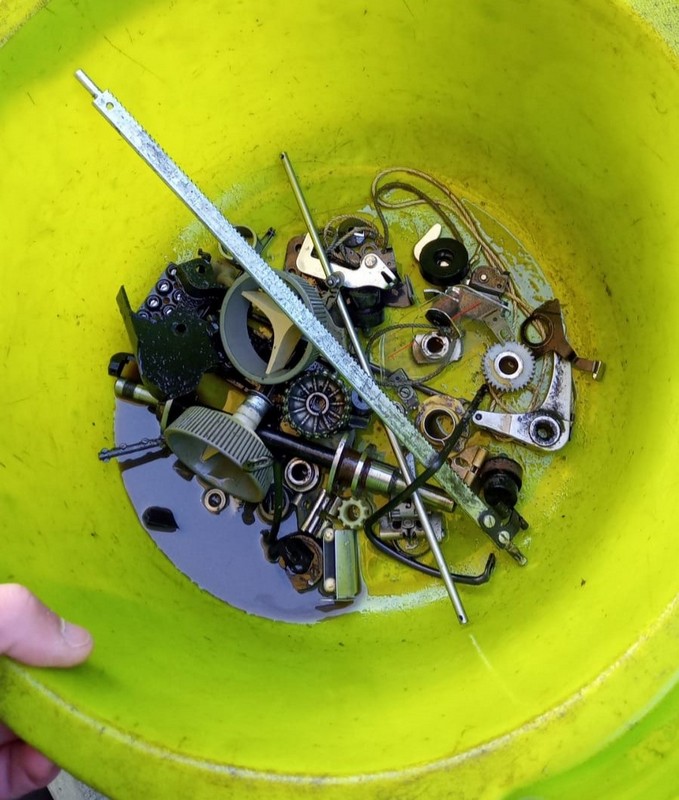
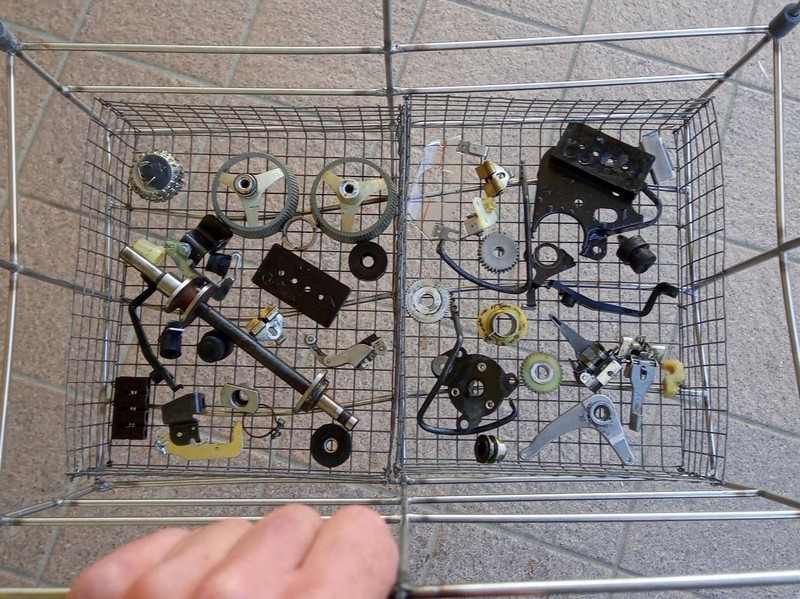
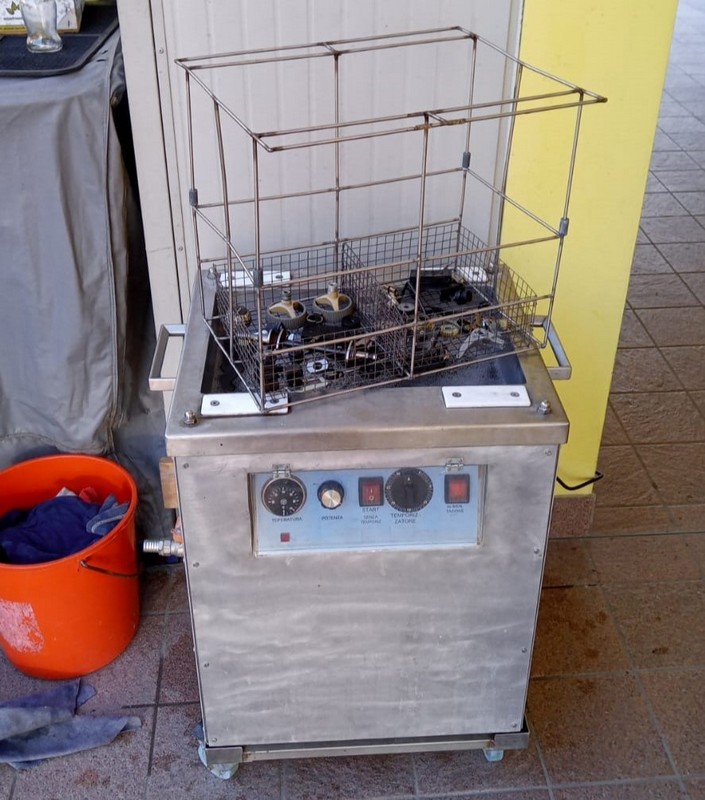
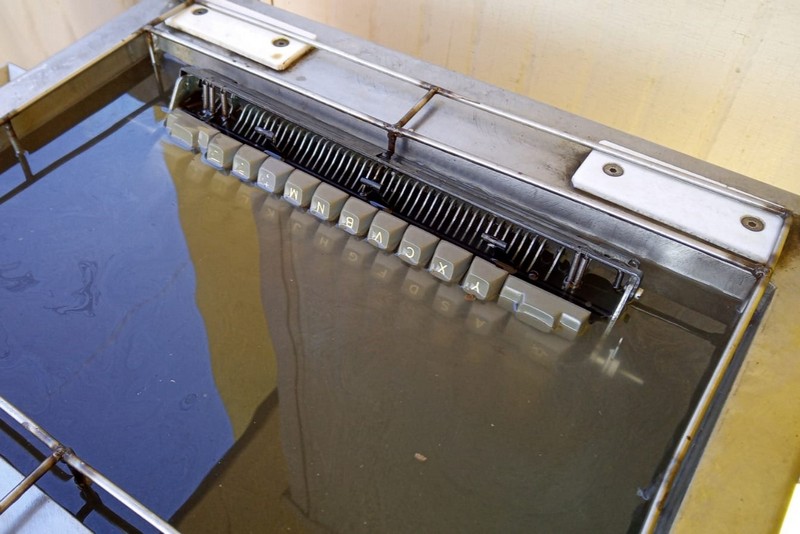
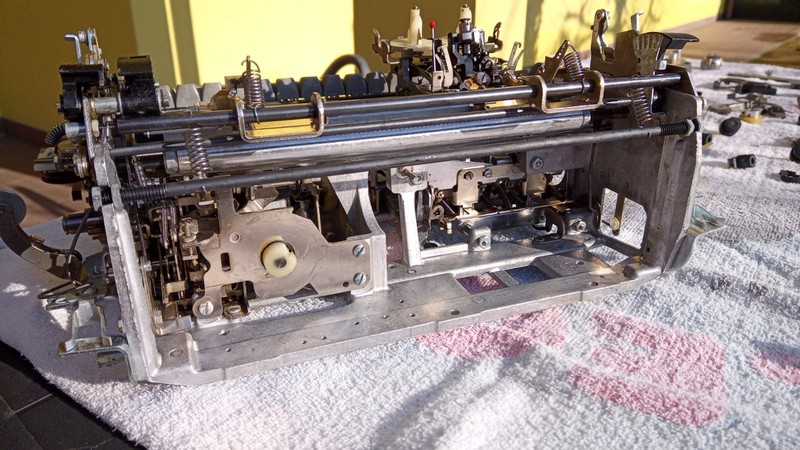
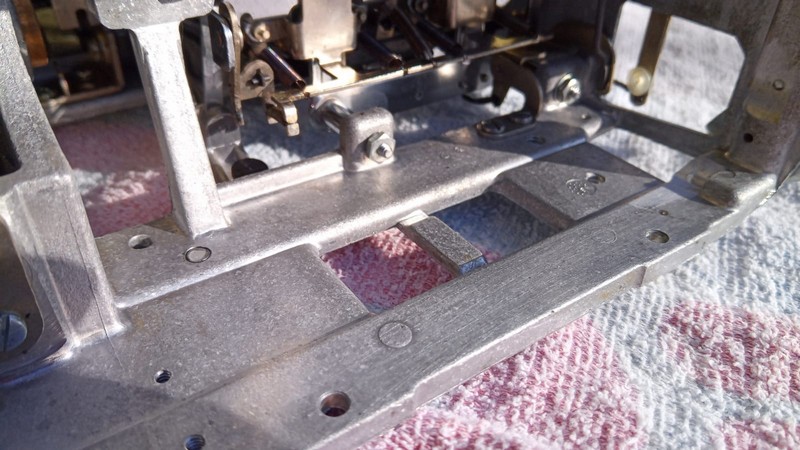
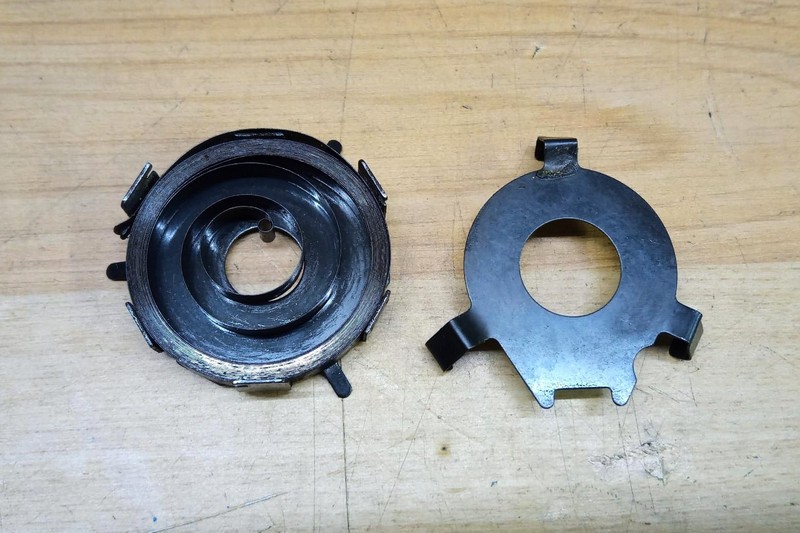
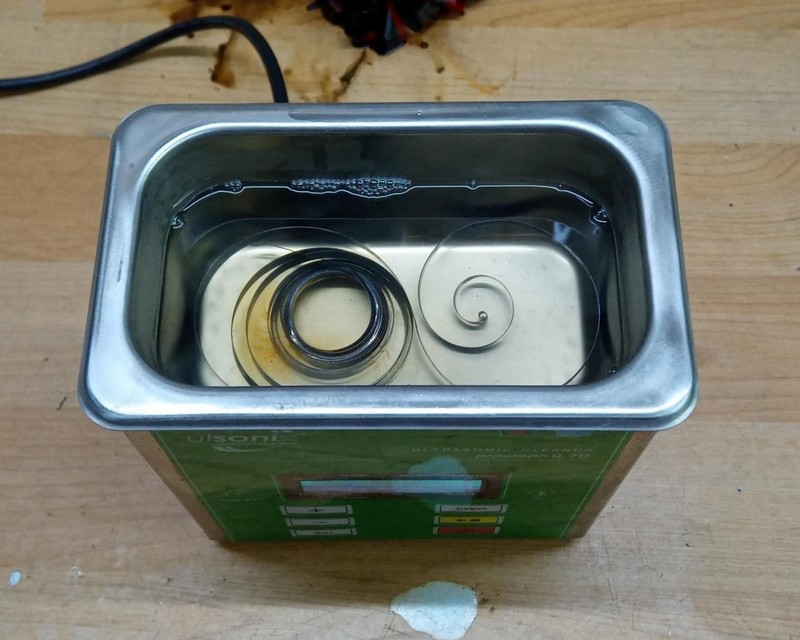
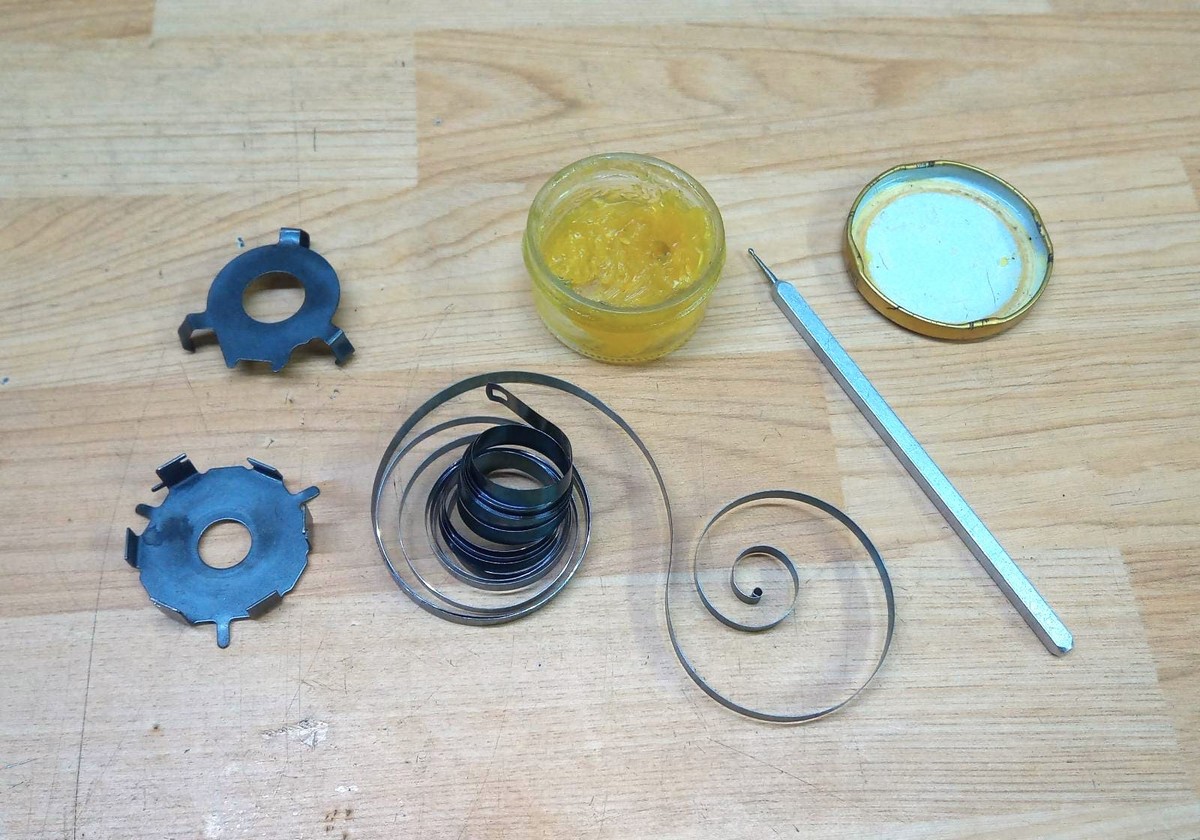
With a touch of pride, I invite the reader to look closely at the details: even the most remote internal corner is perfectly clean, and this is the result of the investment in technology made over the years. The ultrasonic cleaning machine shown here was custom-built by a specialized company and specifically optimized for cleaning typewriters. Compare the level of cleanliness of the mechanical details after ultrasonic cleaning by Vescovo Restauri with that achieved by other international services specializing in IBM Selectrics and you will notice... there is simply no comparison! Certain types of dried grease mixed with dust and debris, typical of heavily used office machines such as IBM Selectrics, can only be removed completely with this technology.
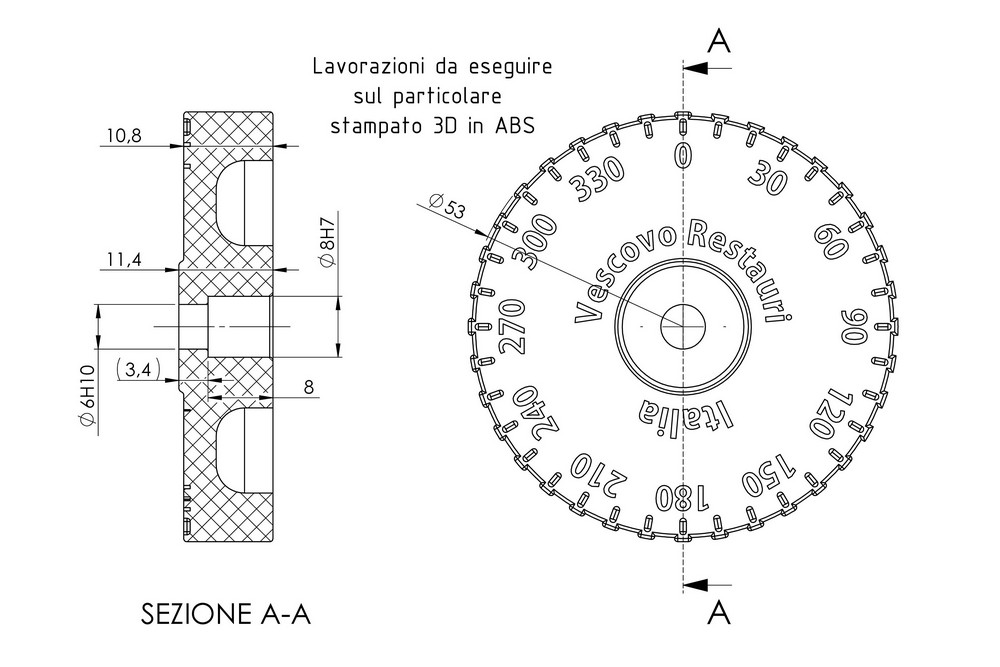
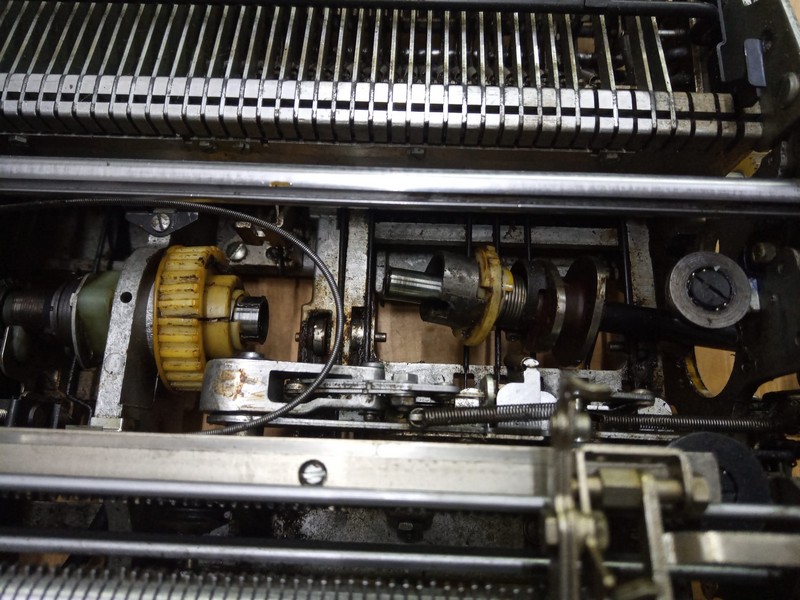
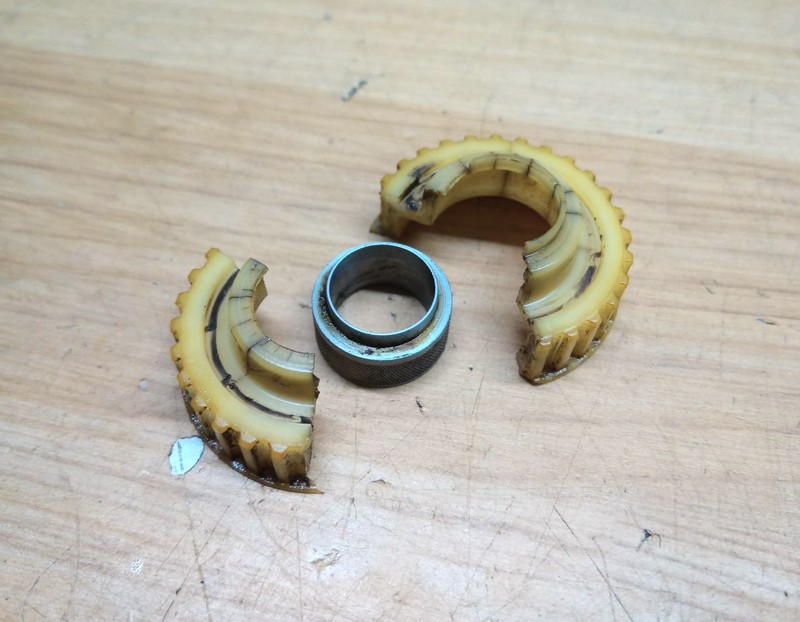
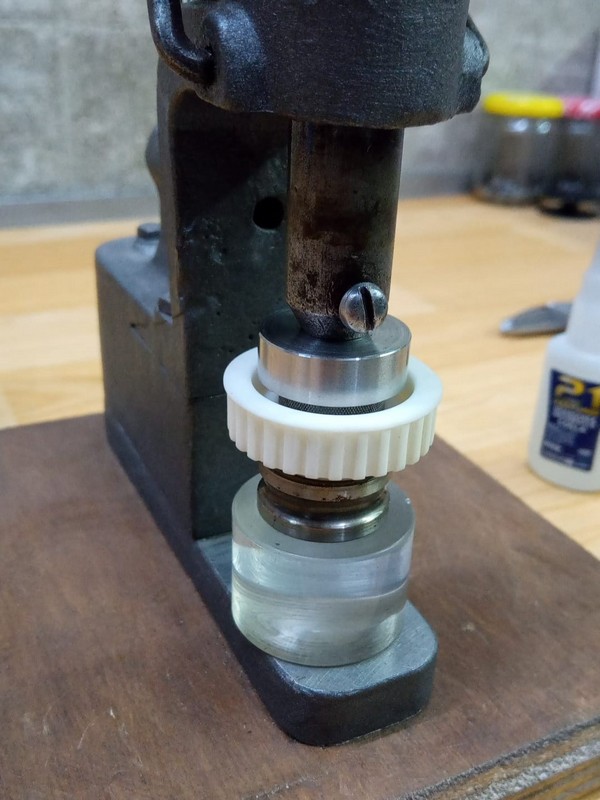
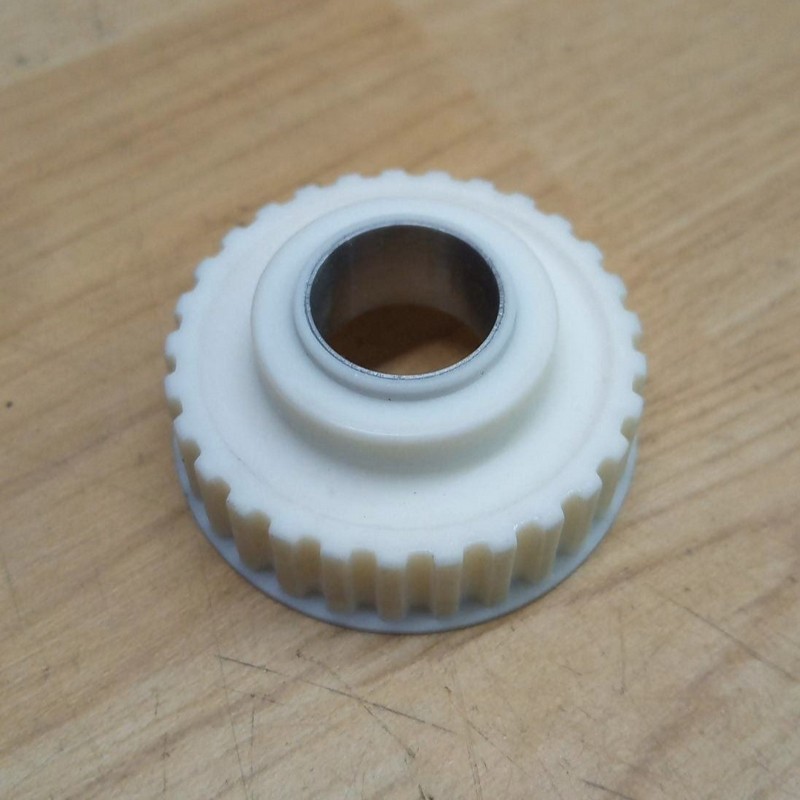
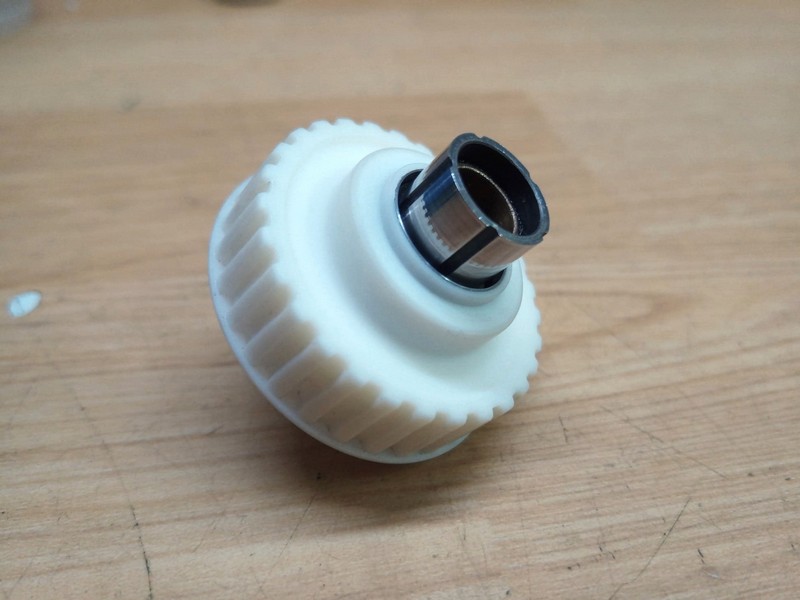
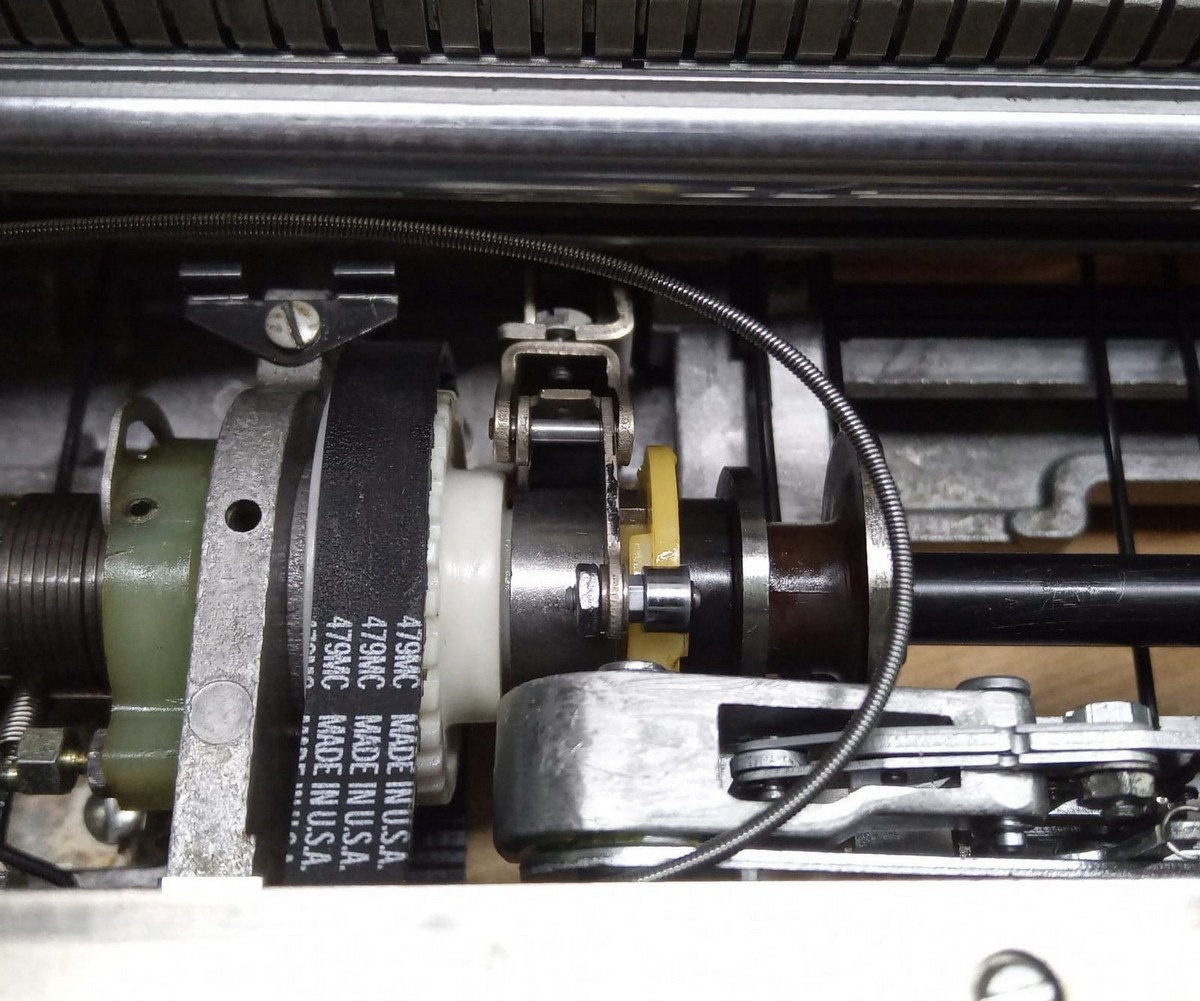
The drive pulley of the IBM Selectric is today a particularly critical component, often found already broken or close to failure. A number of American-made replacements are commercially available, and the client who commissioned this restoration had supplied me with some of them. However, I preferred to reproduce the component myself because, although these replacements are functional, they present several drawbacks: their appearance differs from the original, their rough surface finish could wear the belt over time and, in some cases, they are made from materials different from the original.
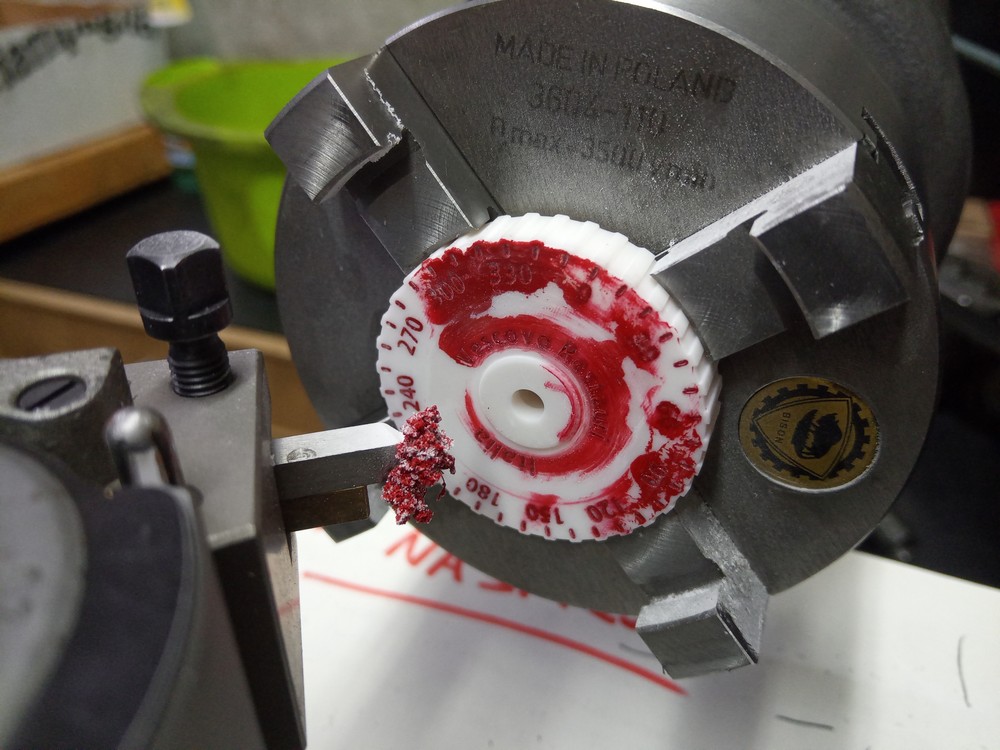
To create the solid model, dimensional measurements were taken from the original pulley. These revealed a particularly thin area in the central section, approximately 2.5 mm thick, which may have contributed significantly to the component’s failure. Since there were no particular space constraints, it was possible to almost double the material thickness at this point, producing a pulley that is visually identical to the original but internally stronger and therefore more durable. Pale-white ABS was selected for the reconstruction, corresponding to the appearance the original component would have had before naturally yellowing with age.
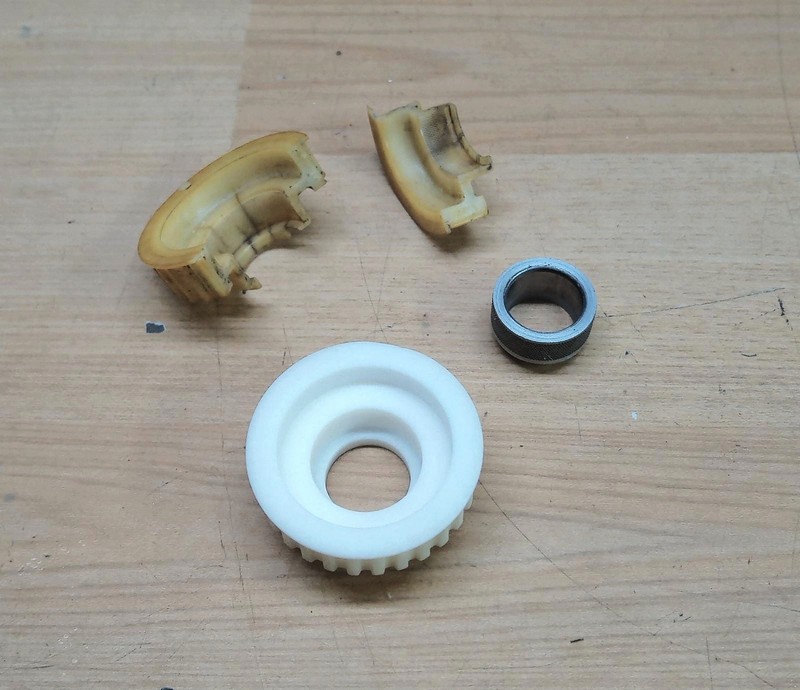
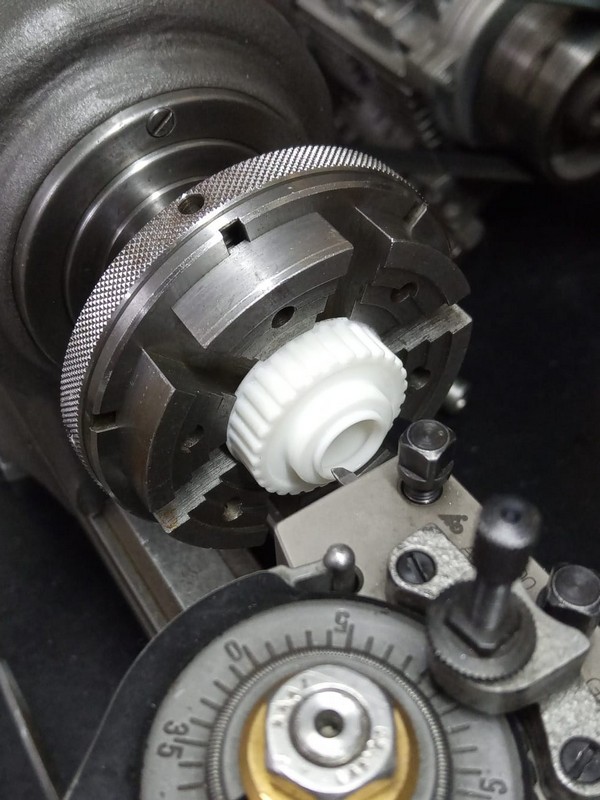
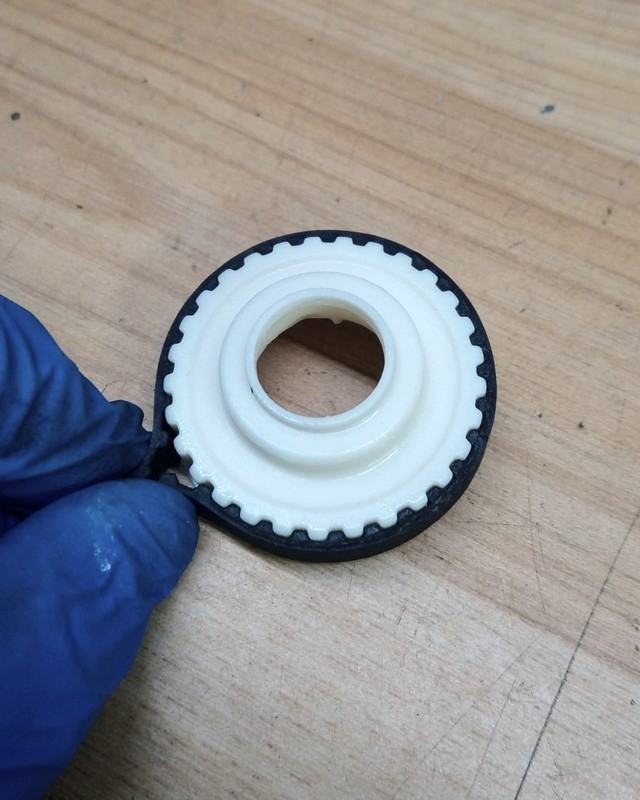
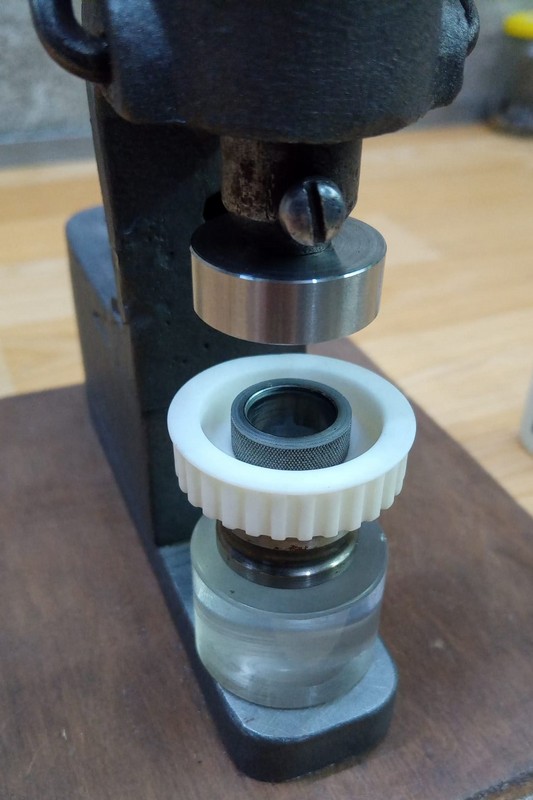
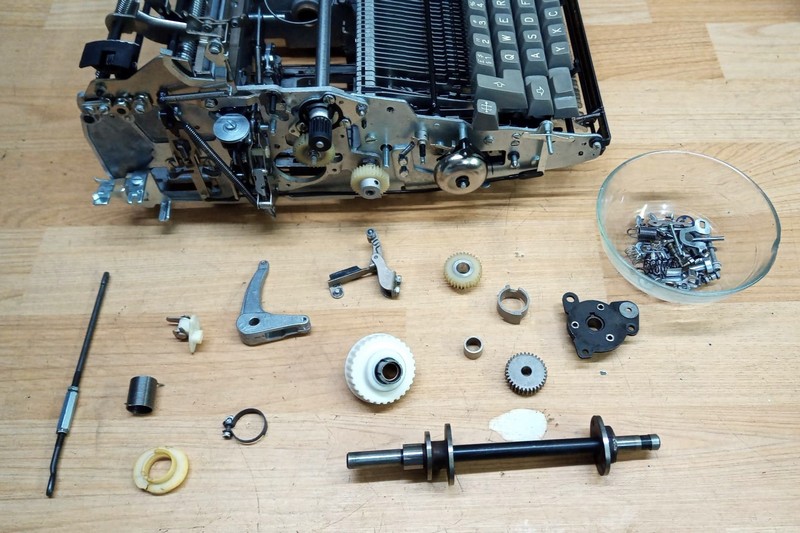
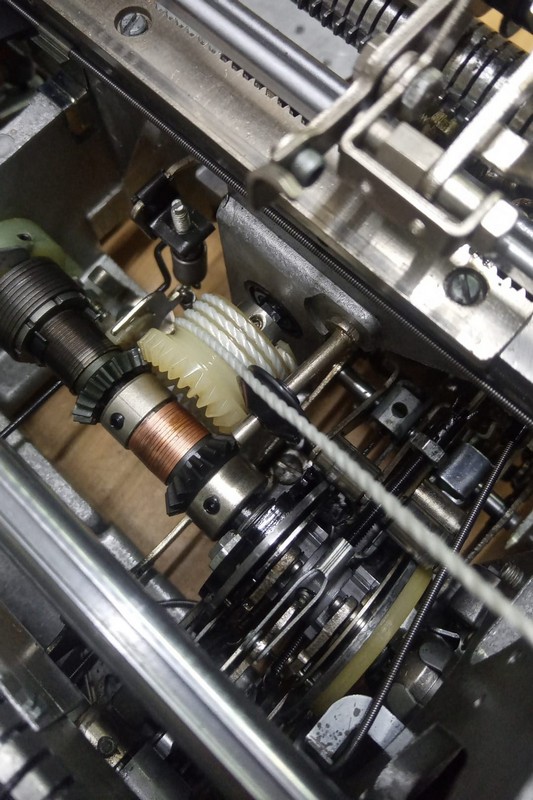
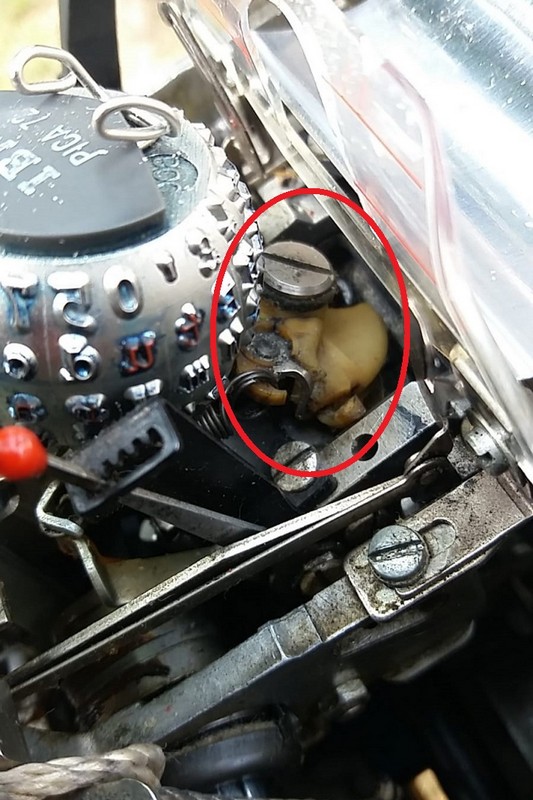
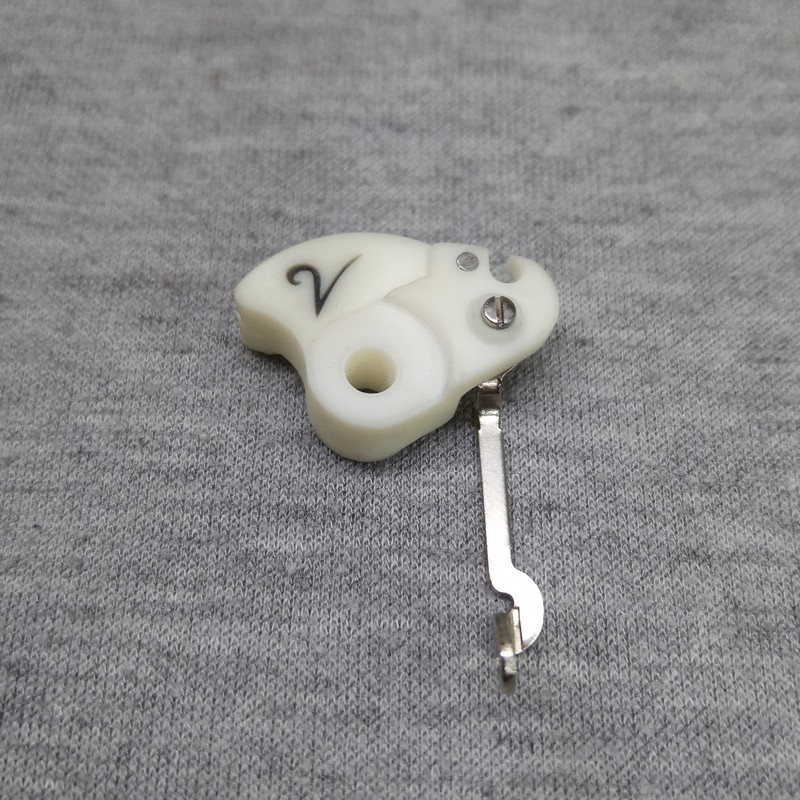
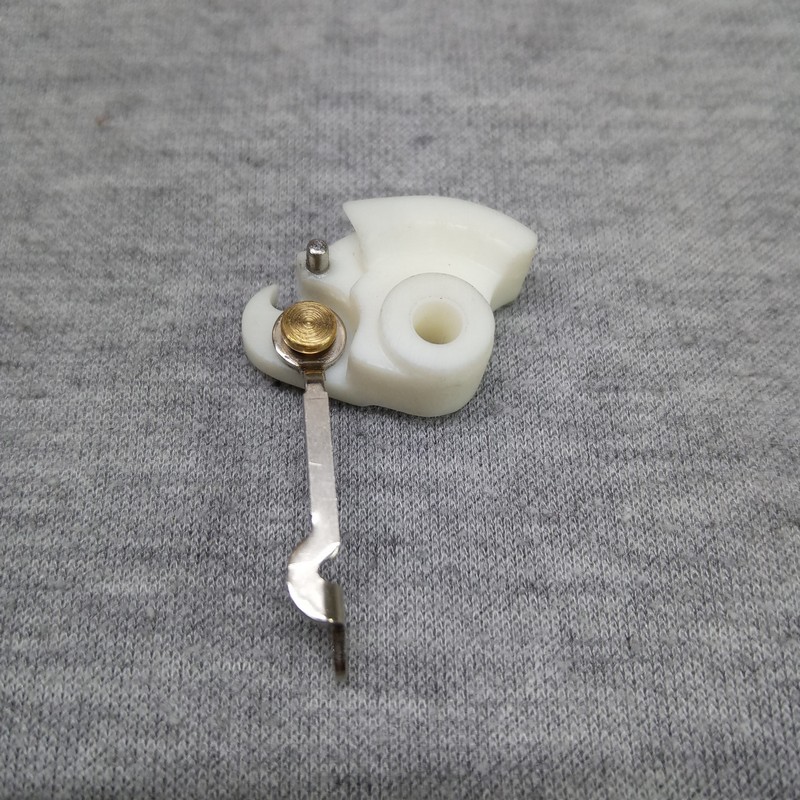
Another truly critical component is the Tilt actuator. This mechanical element converts the linear movement of the corresponding metal tape into a rotary movement, which is amplified and then transmitted to the golf ball, causing it to rotate about its vertical axis. This movement has four positions and is known as “Tilt”. The component is particularly prone to wear and original replacements are becoming scarce; for this reason, I decided to produce a prototype replacement using a mixed technique that combines 3D printing with precision lathe work. Its operation is perfect; what remains to be tested is its long-term durability, since this component is subjected to very high stresses. In any case, this solution developed by Vescovo Restauri appears, at present, to be the best available on the market.
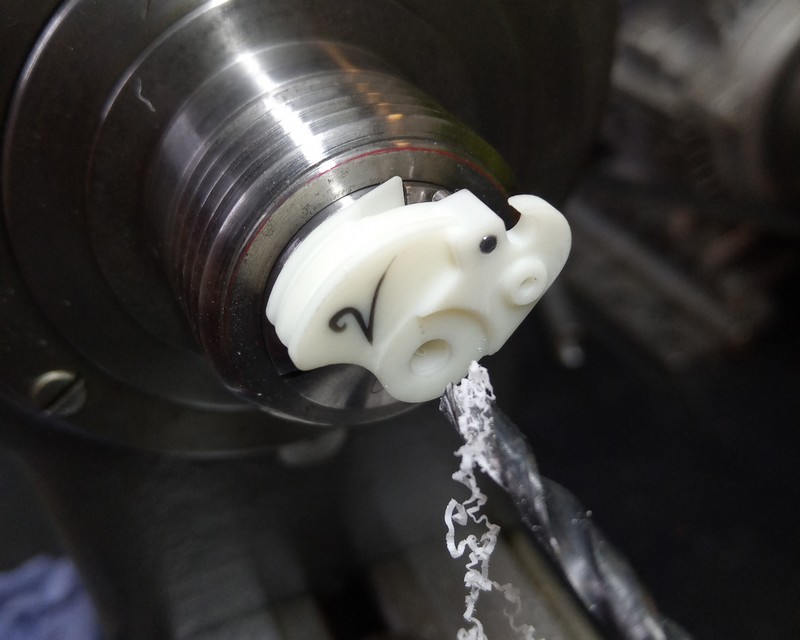
Some repairers offer “reconditioned” Tilt actuators by repairing old broken components with epoxy adhesives; however, one thing I was taught during my watchmaking courses is that “glue smells of poor workmanship”. For this reason, I preferred to work on this reconstruction project. The 3D model has also been made available free of charge on enthusiast forums, without the company logo, so that others around the world can manufacture and independently test this component.
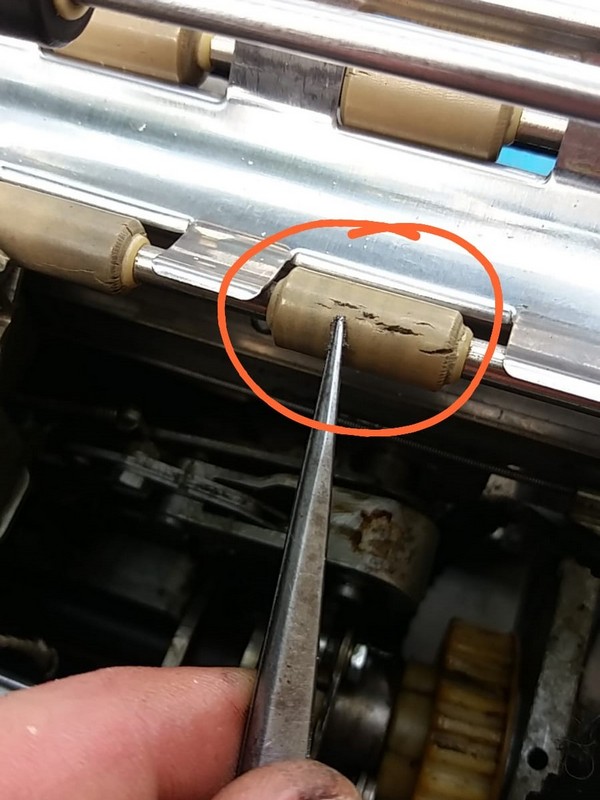
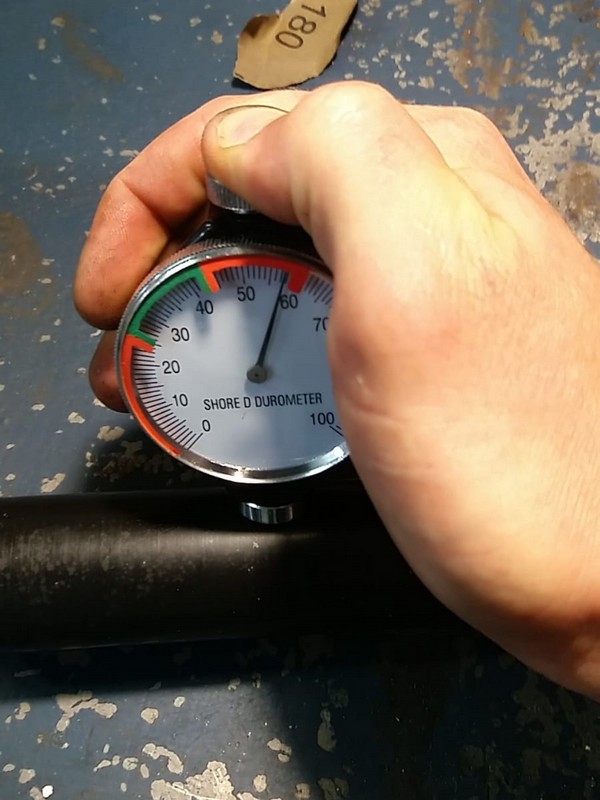
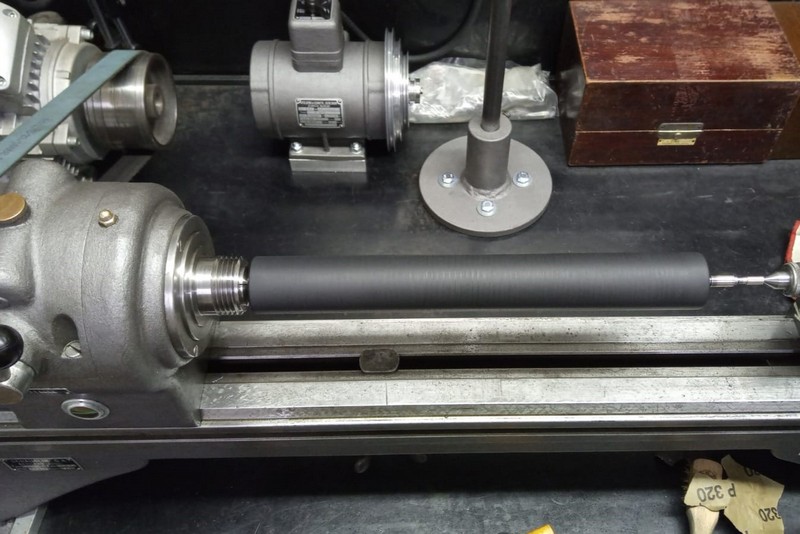
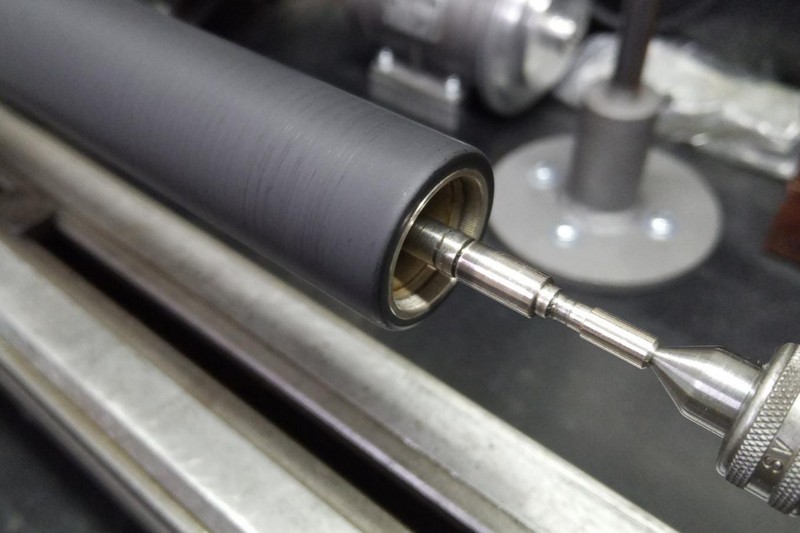
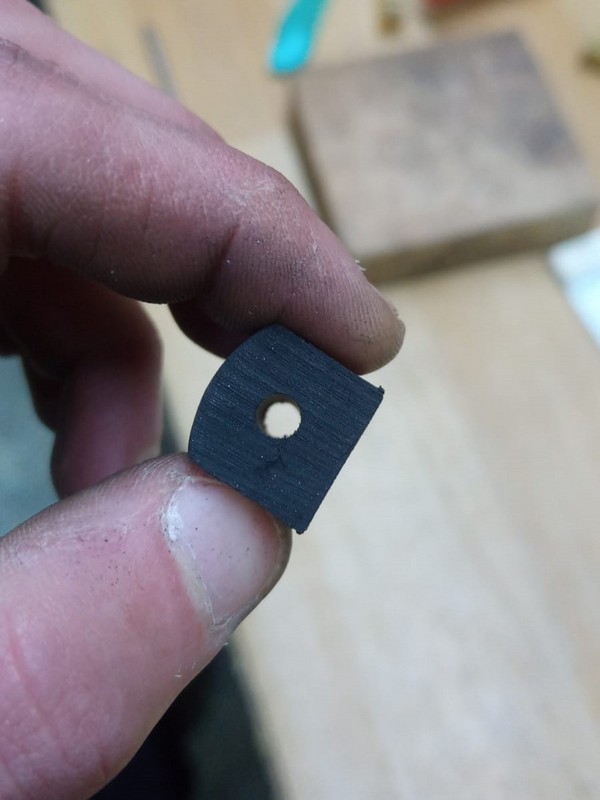
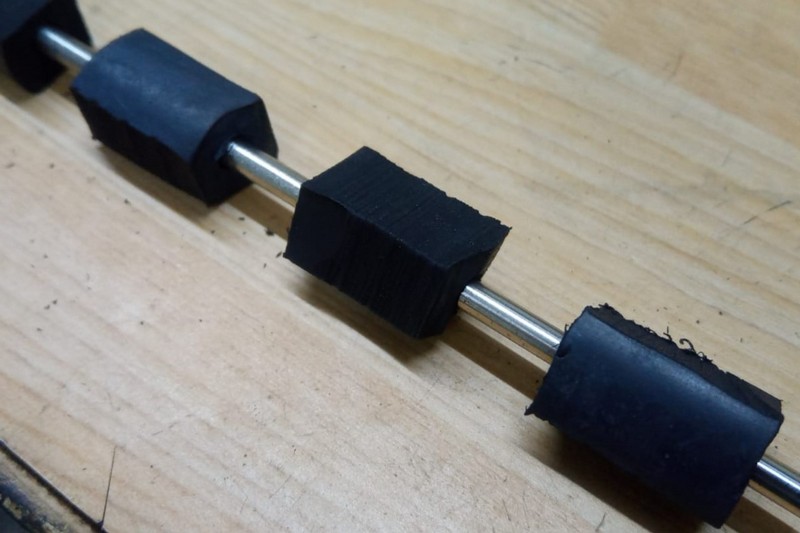
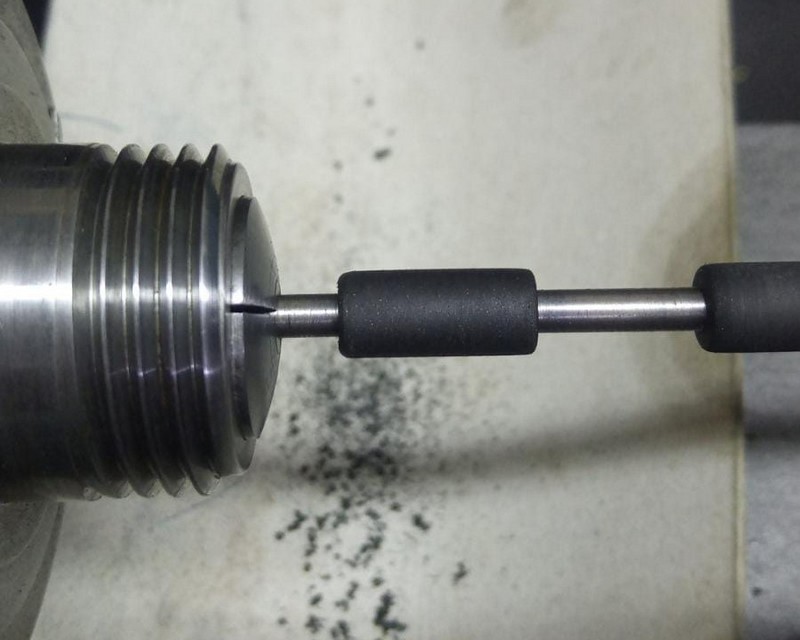
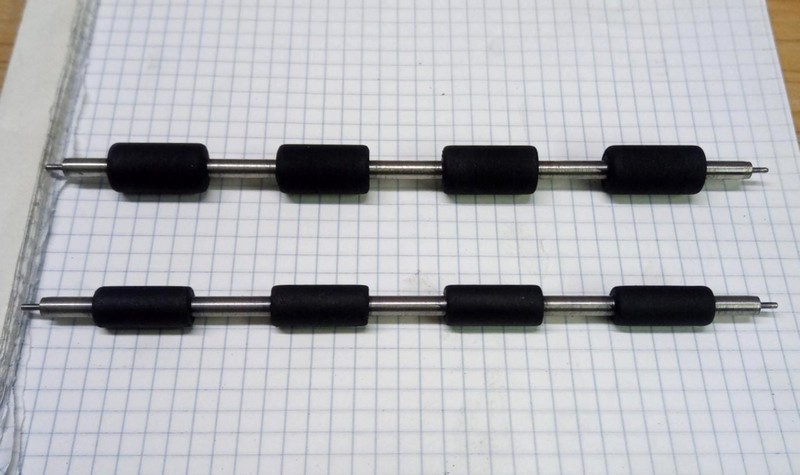
To return an IBM Selectric to perfect working condition, it is essential to rebuild the various rubber components, which tend to harden over the years. In particular, the platen and paper-feed rollers must always be renewed to ensure flawless operation.
For perfect operation, the correct platen rubber hardness on an IBM Selectric is 92 Shore A for machines using a fabric ribbon and 94–95 Shore A for machines using a carbon-film ribbon. For more information about platen and paper-feed roller recoating, please visit this page.
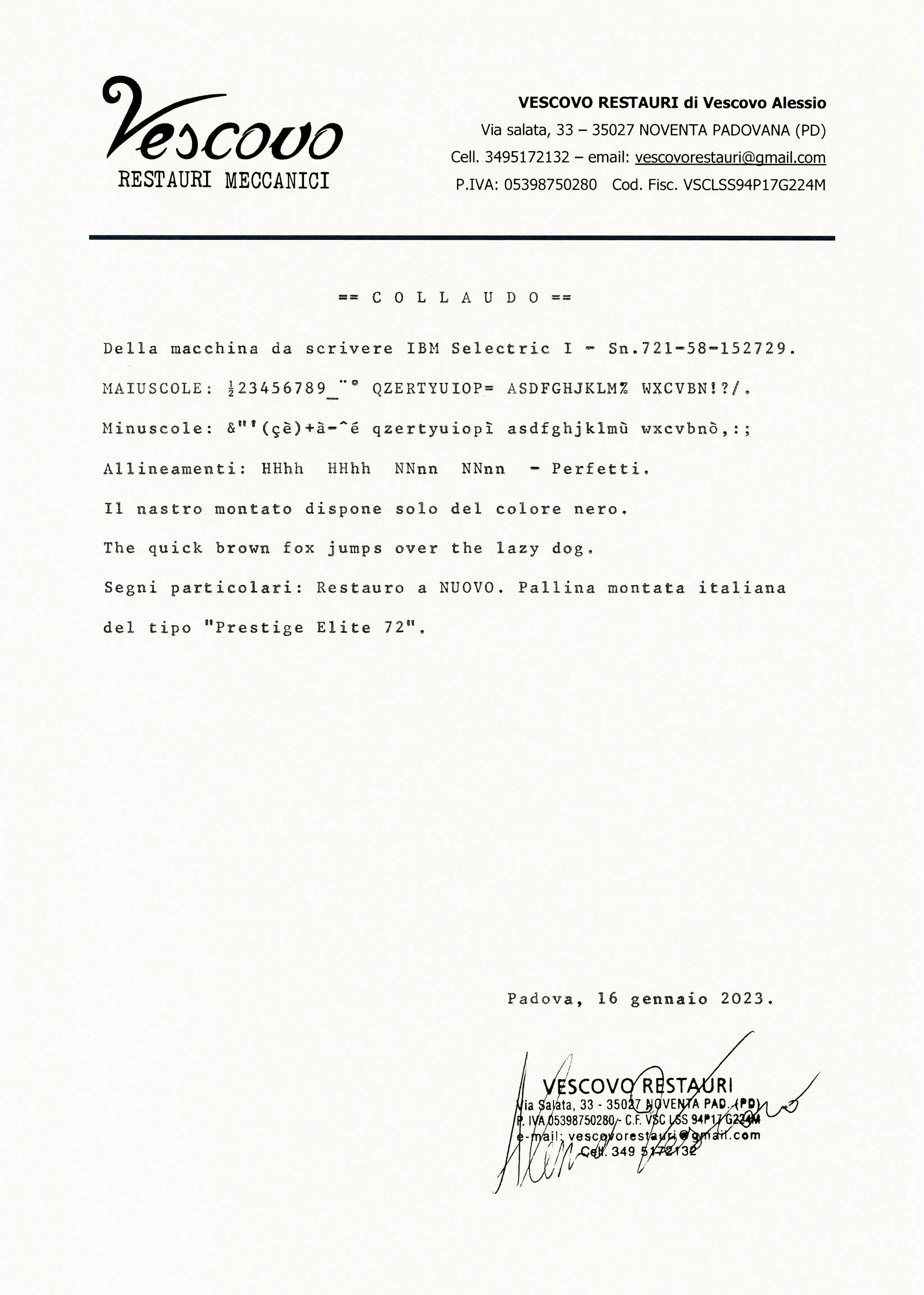
At the end of the restoration, the typewriter undergoes a complete functional test. A final test certificate—typed on the machine itself, signed, and stamped—is then issued as proof of the work performed.