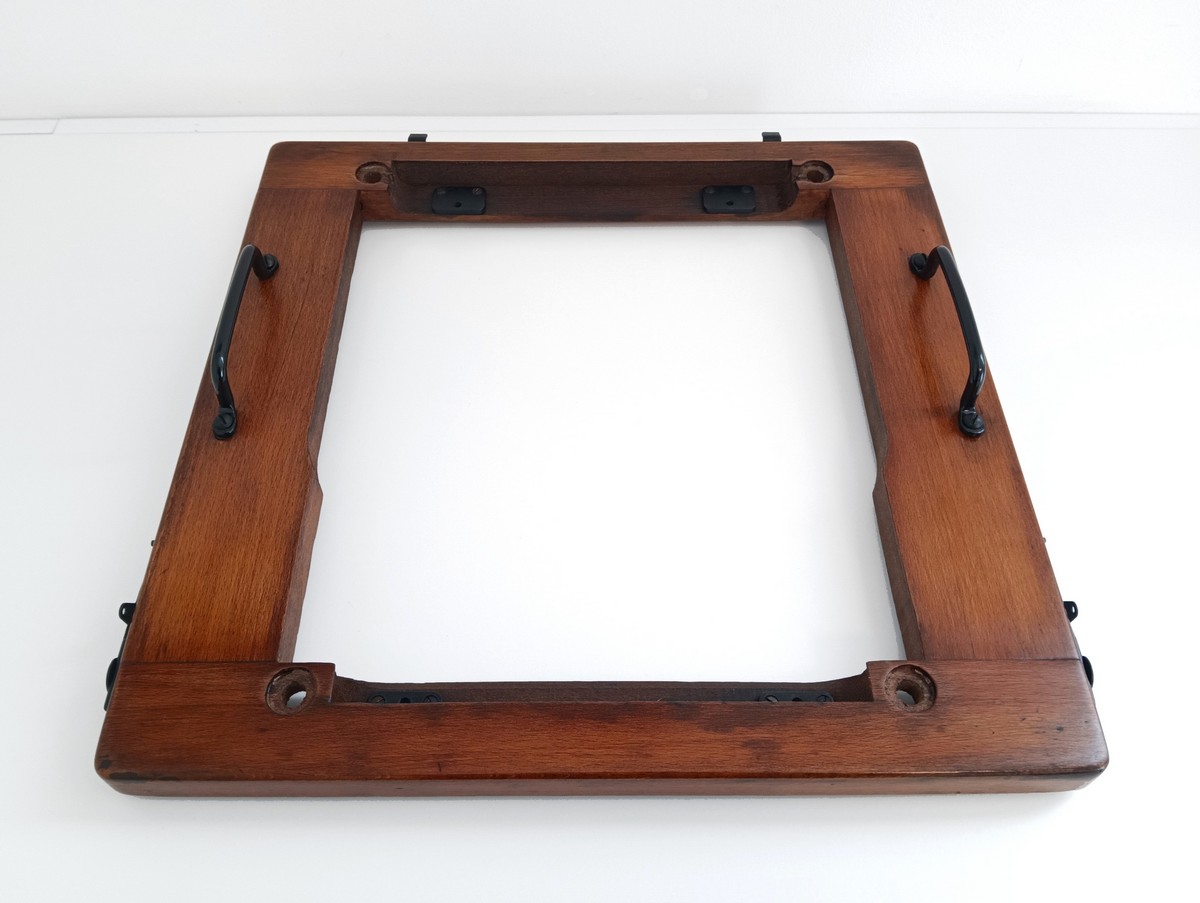






The Olivetti M 20 is a wonderful typewriter when found in such a beautifully restored condition and complete with its fine solid wood base. It has a sober, monumental design. It cannot be considered rare; however, total production was relatively limited, with only 80,000 units made. This is remarkably few compared with the main American models of the same period, which were produced in the millions, representing a difference of no less than two orders of magnitude.
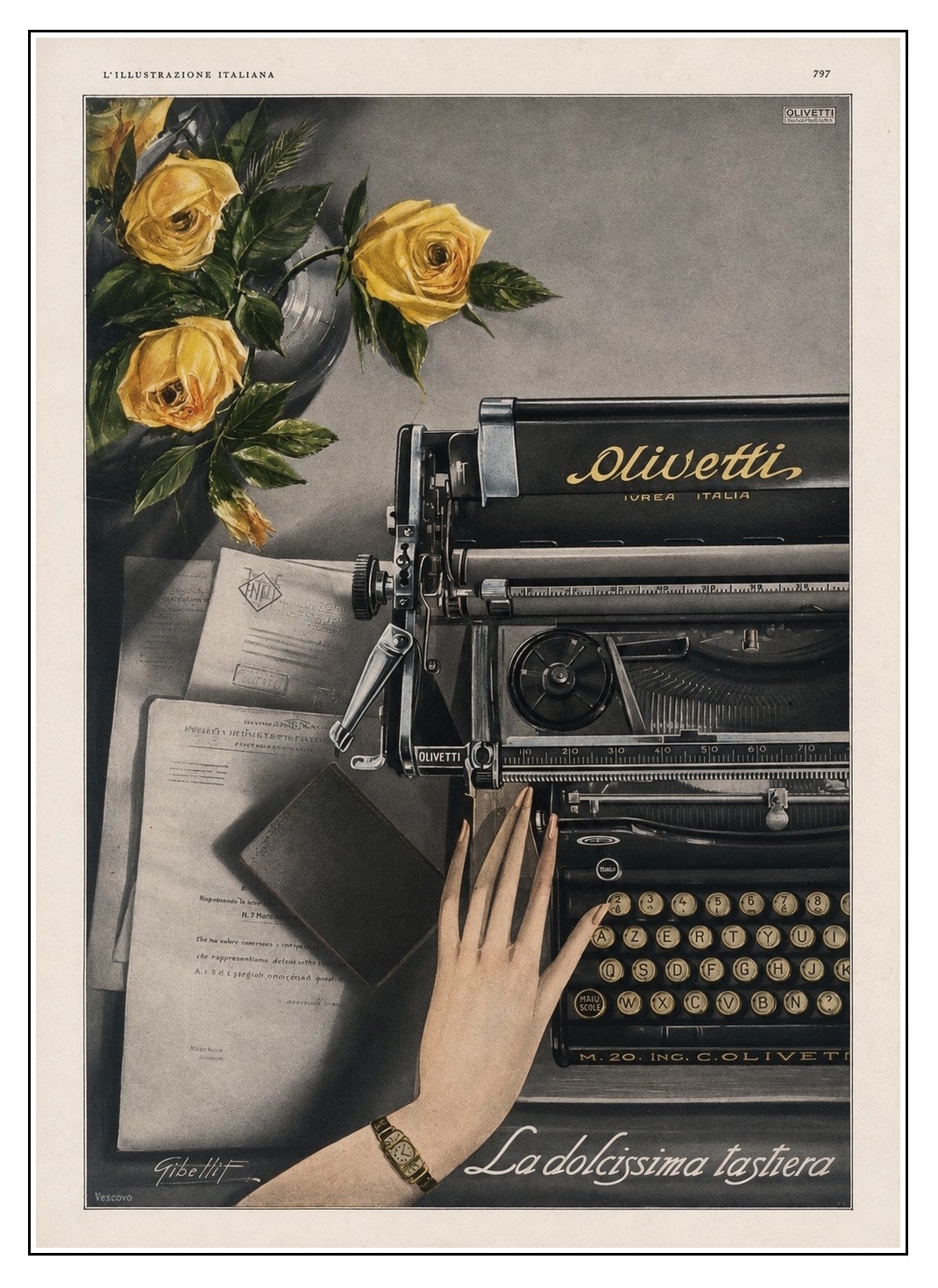 The Olivetti M20 was produced from 1920 to 1933 and, based on the minor variations introduced throughout its production, can be divided into three main versions. The M20/1, produced during the first year of production, is naturally the most sought-after version among collectors.
It was the second model produced by the prestigious Ivrea-based company, after the Olivetti M1, to which it bears a strong visual resemblance, so much so that some people mistakenly confuse the two. Mechanically, however, it is completely different from its predecessor: the complex system of rotary transmission through shafts, connecting rods and cranks was replaced by a simpler and more functional system based on pull rods and pivoted flat levers.
The complex four-part escapement mechanism was replaced by a full-arc design, following solutions that had already been successfully adopted by other manufacturers. The heavy, individually pivoted forged-steel typebars were replaced by conventional typebars made from stamped and bent sheet metal, pivoting in concentric slots and equipped with a quick-release mechanism.
The escapement mechanism itself was also of a new design, but was modified almost immediately, as it proved susceptible to wear-related problems over the long term. The ingenious articulated four-bar linkage system for raising the platen was replaced by the important innovation of the tilting typebasket: to engage the shift mechanism, the platen would no longer rise; instead, the typebasket would move downwards. This was a major innovation that would subsequently characterize the entire Olivetti typewriter range, with the exception of th portable MP1.

Although the Olivetti M20 is considerably simpler than the Olivetti M1, it remains a rather complex typewriter to restore. Completing a full restoration of this model requires extensive experience, as well as passion and dedication.
The particular finishes chosen for these restorations are the result of many years of experience and give the Olivetti typewriters restored in this workshop a truly outstanding appearance. The most modern cleaning techniques, combined with the use of the highest-quality products, ensure long-lasting restoration results. The decals used are produced in-house and are identical to the originals, and are widely regarded as among the finest currently available on the market.

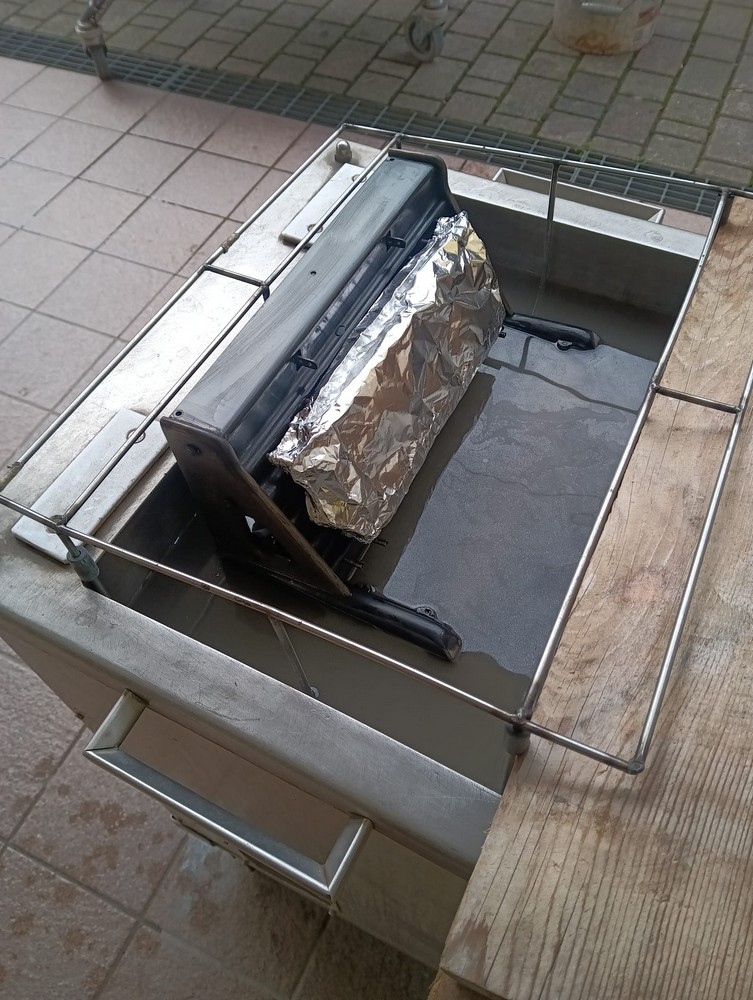
A complete restoration of a typewriter begins with the disassembly of the machine, followed by a thorough cleaning of all mechanical components, first using an ultrasonic bath and then rinse using a petroleum-based solvent.
Once cleaned, every component is carefully dried and reassembled, and then the internal mechanism is precisely lubricated to guarantee optimal performance. The mainspring is also dismantled, cleaned, and reassembled with fresh grease, ensuring consistent tension and smooth carriage movement.
The machine then undergoes a comprehensive adjustment process, including fine-tuning of the kinematics, ribbon lift, and upper/lower case alignment. Components subject to natural wear, such as the ink ribbon, rubber grommets, carriage drawcord, and any weakened springs, are replaced with new parts.


In some cases, the original paintwork of an Olivetti M20 may be in poor or even very poor condition. This is particularly common on the sheet-metal components, the two carriage side panels, the paper support, and the stepped support beneath the keyboard, all of which may require repainting. In such cases, sandblasting and professional repainting by our partner body shop are required. This also involves a considerable amount of additional work, as the carriage and keyboard must be completely disassembled and subsequently reassembled piece by piece.
The gold decals consist of an elegant cursive inscription and two decorative emblems, all applied as water-slide decals. Their delicate nature requires careful restoration to preserve the original appearance and character of the machine.


Olivetti was the only typewriter manufacturer to use solid wood for the bases of its machines until the end of the 1930s. In America, many typewriters were already being fitted with veneered laminated-wood bases as early as the beginning of the 20th century, and by the 1910s this had become virtually universal. This gives us some insight into how strongly Eng. Camillo Olivetti was committed to building the best possible product.
The bases of the M20, as well as those of the M1, are made from four pieces of wood joined using traditional mortise-and-tenon joints, then partly shaped with a router and partly worked by hand using gouges and chisels. The four-piece construction makes the wooden structure highly stable over time, which is why Olivetti bases are almost never found warped or cracked, despite all of them now being more than a century old.
Beech appears to have been the most commonly used wood, although it was not the only species employed. I have personally verified as original a very large Italian walnut base belonging to an M20 with a double carriage, as well as an oak base for a Ruys, a variant intended for the British market.
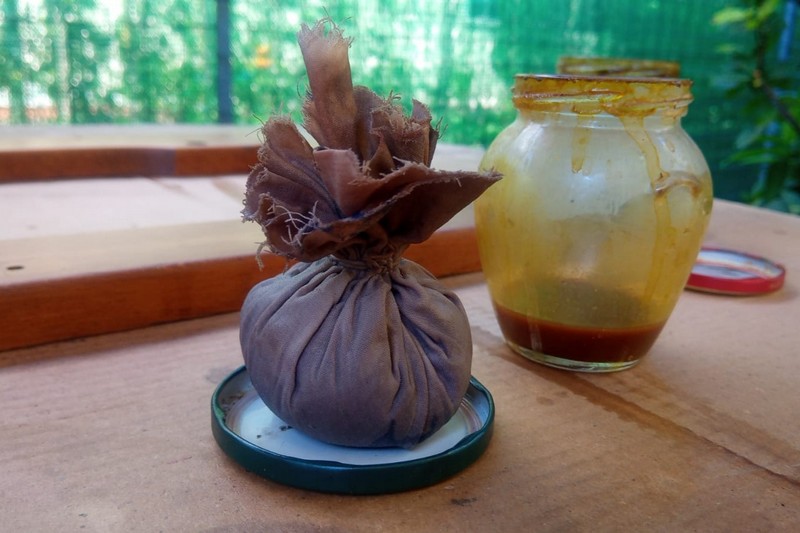
The wood is restored by first removing all the metal hardware so that the surface can be sanded. If necessary, a woodworm treatment is applied and the base is sealed in a bag for one week. This is followed by a coat of vaseline oil and, finally, six coats of shellac applied by hand using a traditional French polishing technique.




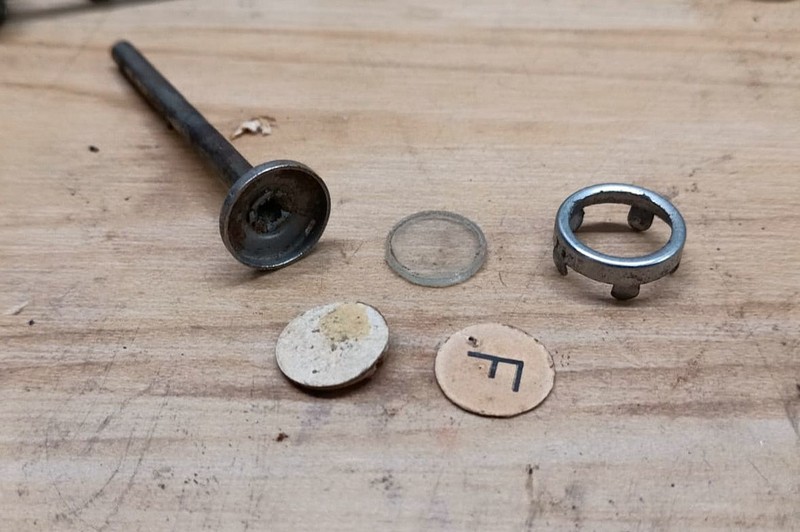
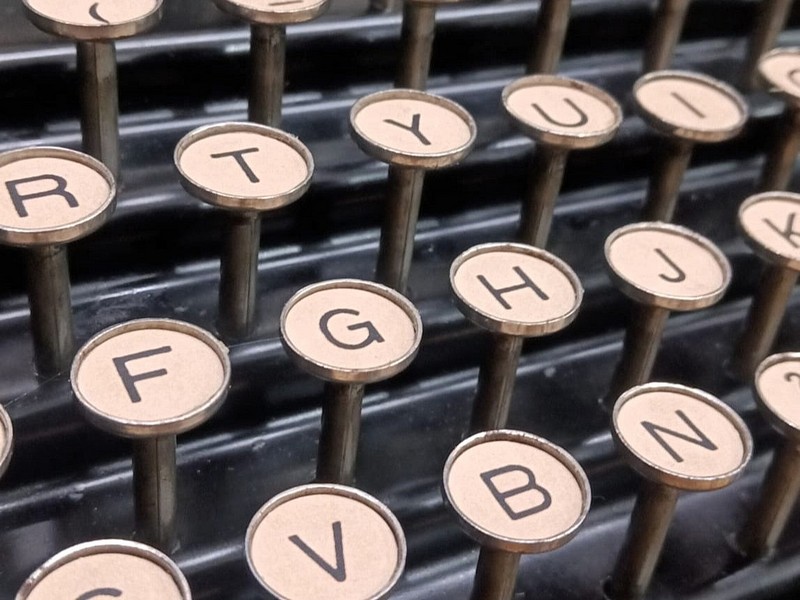
All Olivetti typewriter models produced before 1950 were originally fitted with a prestigious glass-covered keyboard. Each letter is printed on a piece of card, protected by glass and secured by a nickel-plated brass bezel.
The problem with these keyboards, which would otherwise be virtually everlasting, is the poor maintenance they have received over the years. In the post-war period, typewriters were cleaned using petroleum-based washing machines rather than by hand, as had previously been the practice. The petroleum would seep underneath the glass, soaking the letter cards and causing their inevitable deterioration.

The Olivetti M20 was fitted with two different types of keyboard depending on the year of production. Based on my personal experience, it can be established that up to 1921, the original keyboard was the same as that used on the Olivetti M1, with black lettering on a white background and the iconic “Maiuscole” and “Ritorno” keys arranged concentrically. From 1922 onwards, a different version with a slightly different font was introduced, still featuring black lettering on a white background on most of the keys, except for the “Maiuscole” and “Ritorno” keys, which had white lettering on a black background.
It is important to point out, however, that no M20 left the factory with the entire keyboard featuring white lettering on a black background. Whenever an M20 is found with this configuration, it is the result of a post-war repair, in which a keyboard from an Olivetti M40/2 was fitted.

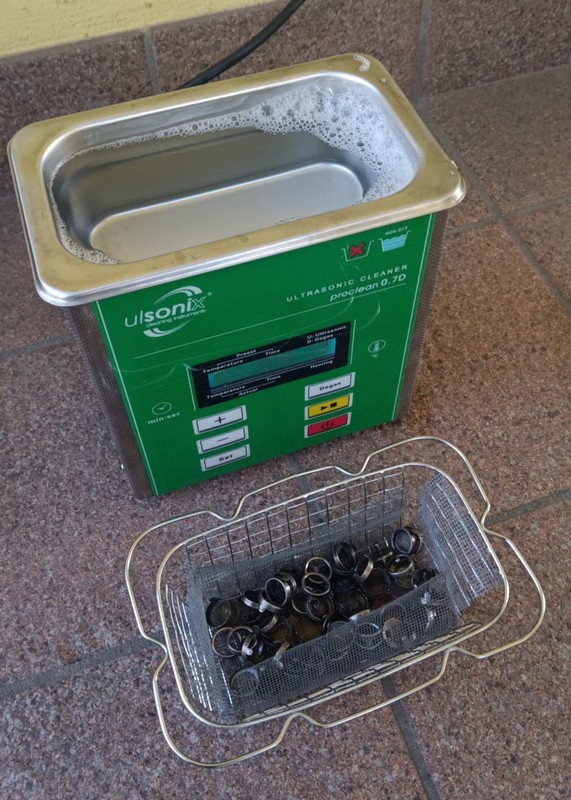


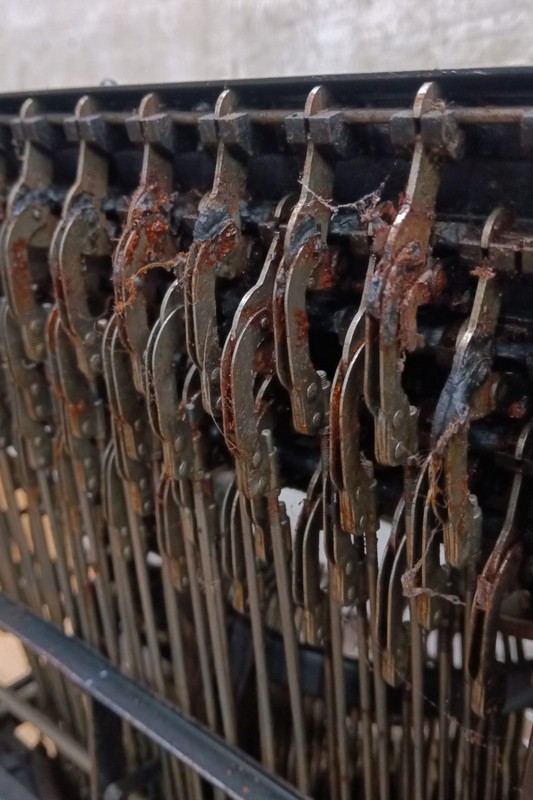
Against stubborn dirt dried after fifty or more years of neglect, the classic combination of kerosene and a brush would achieve very little. I am referring specifically to dried correction fluid, eraser residue —sometimes melted by the heat of an attic—, hardened grease, deposits of sebum mixed with dead skin, and so on. The ultrasonic cleaning tank I use in my restorations was built by a specialized company and is specifically designed and custom-made for cleaning typewriters.

How does it work? The phenomenon involved is cavitation. The powerful waves generated by the sonotrodes are transmitted into the water, creating microbubbles at extremely high pressure that implode upon contact with the object. Using a simple solution of water and soap, a combined action is achieved: a physical high-frequency “micro-brushing” effect together with the degreasing action of the detergent dissolved in the bath. The result is excellent, with a low environmental impact when biodegradable soaps are used.

To restore an Olivetti M20 typewriter to perfect working condition, it is essential to rebuild the various rubber components, which over time tend to harden and eventually crumble completely. Feet, main platen, and both lower and front paper rollers—all must be renewed. Everything is made possible thanks to experience and specialized equipment. For more information, please visit this page.


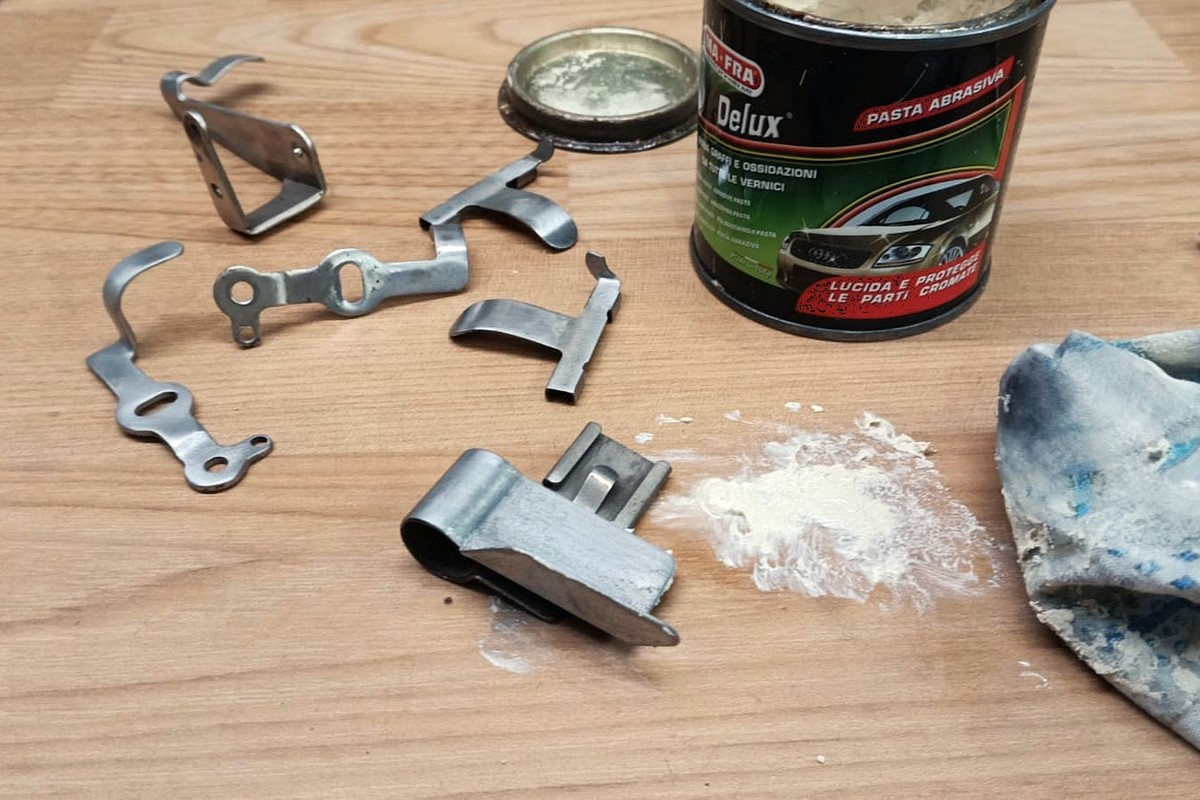
Typewriters are made primarily of metal: cast iron, steel and brass, with light alloys of aluminum and zinc being used more rarely. Cast-iron and light-alloy parts are generally painted, while steel and brass parts are nickel-plated or, in some cases, chrome-plated. Over time and with use, this thin layer of nickel or chrome, applied through electroplating processes, tends to deteriorate, peeling away or developing extensive and highly visible areas of oxidation.
A key step in the restoration process is therefore the removal of this oxidation. For this purpose, a jeweller's rotary tool fitted with specific Scotch-Brite abrasive wheels of various grades, progressively finer, is used. The parts are then hand-polished using fine abrasive polishing compounds. Finally, the parts are coated with a thin layer of clear protective coating, or re-plated with nickel or chrome, depending on the customer's preference and the type of restoration chosen.
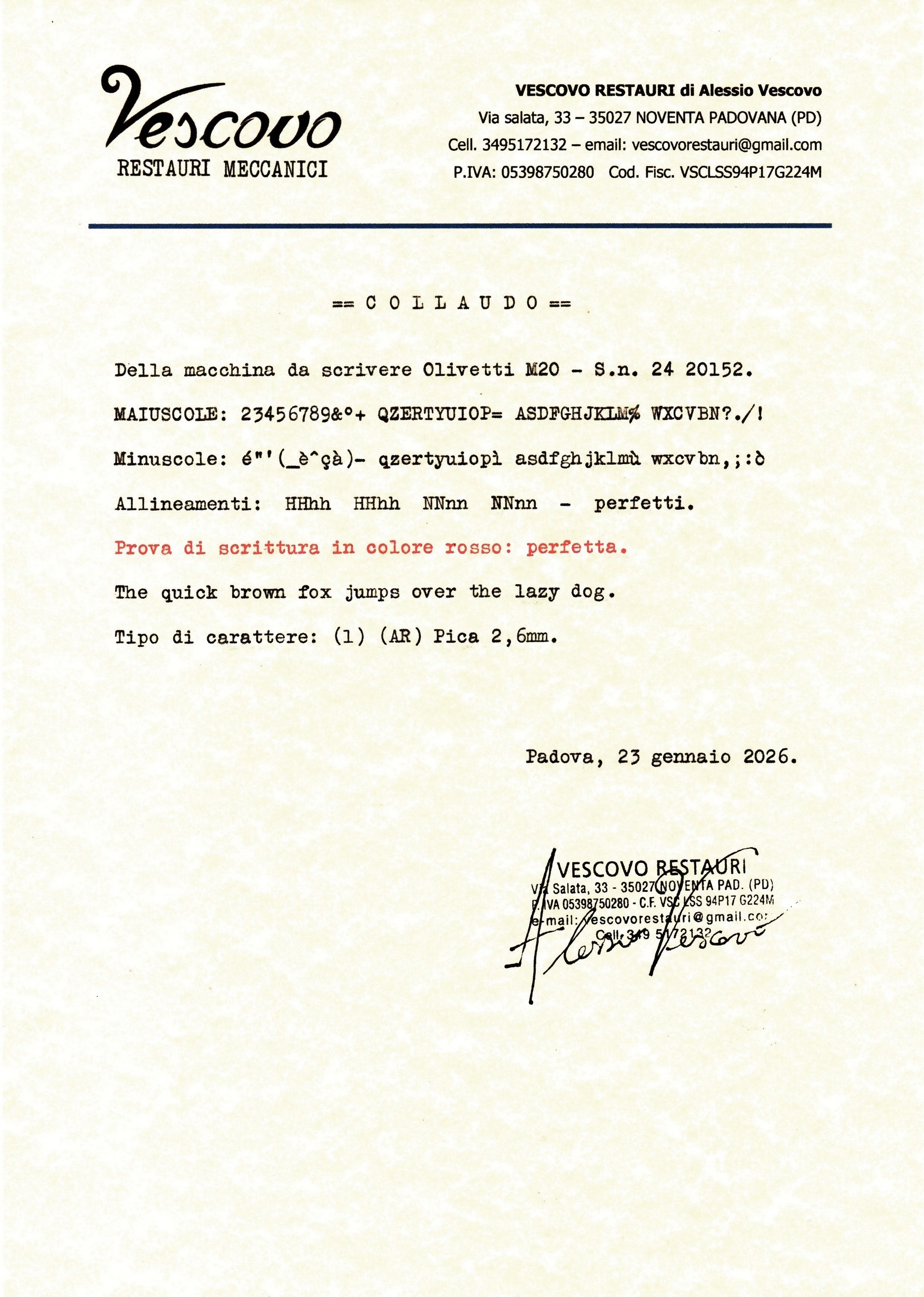
At the end of the restoration, the typewriter undergoes a complete functional test. A final test certificate—typed on the machine itself, signed, and stamped—is issued as proof of successful inspection and completion of the service.