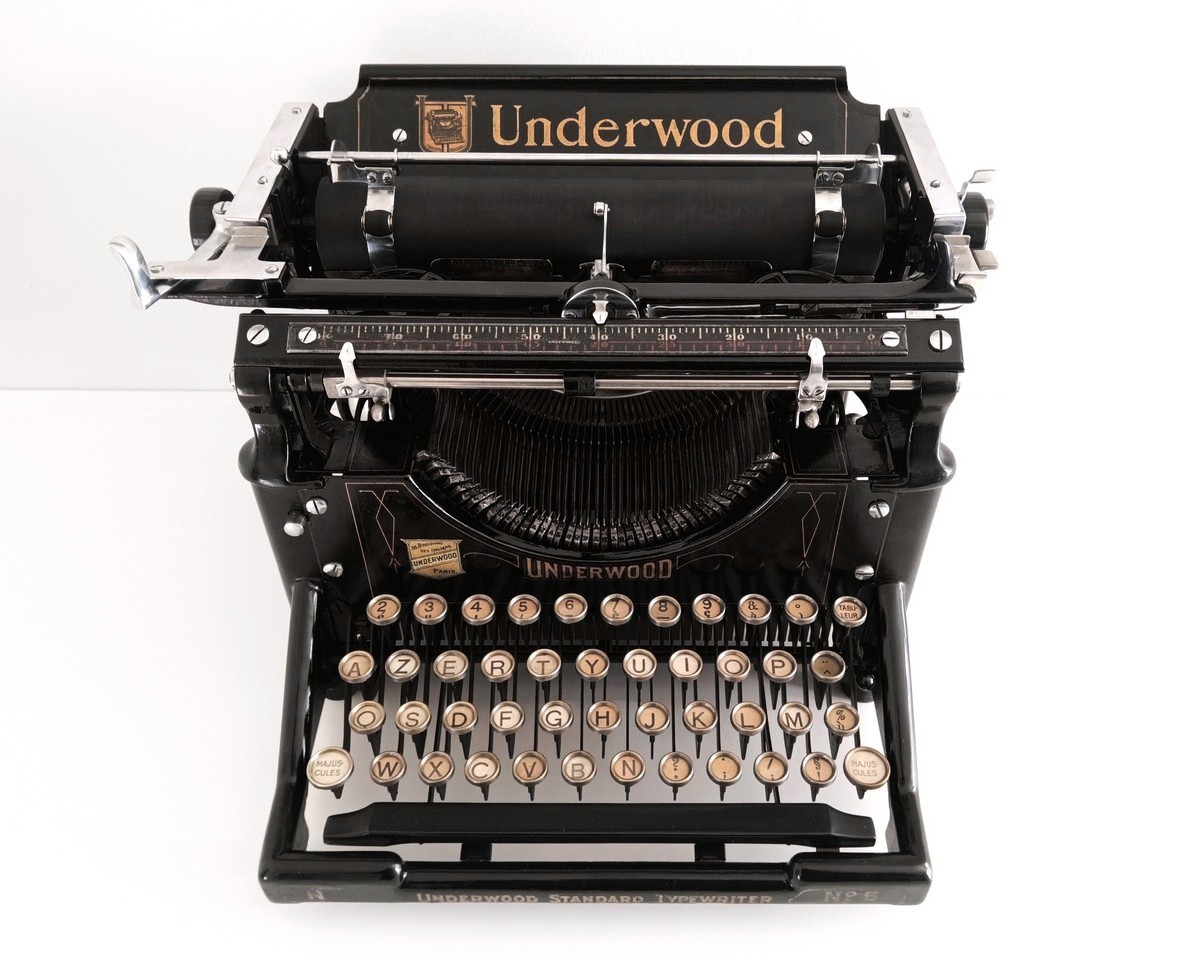
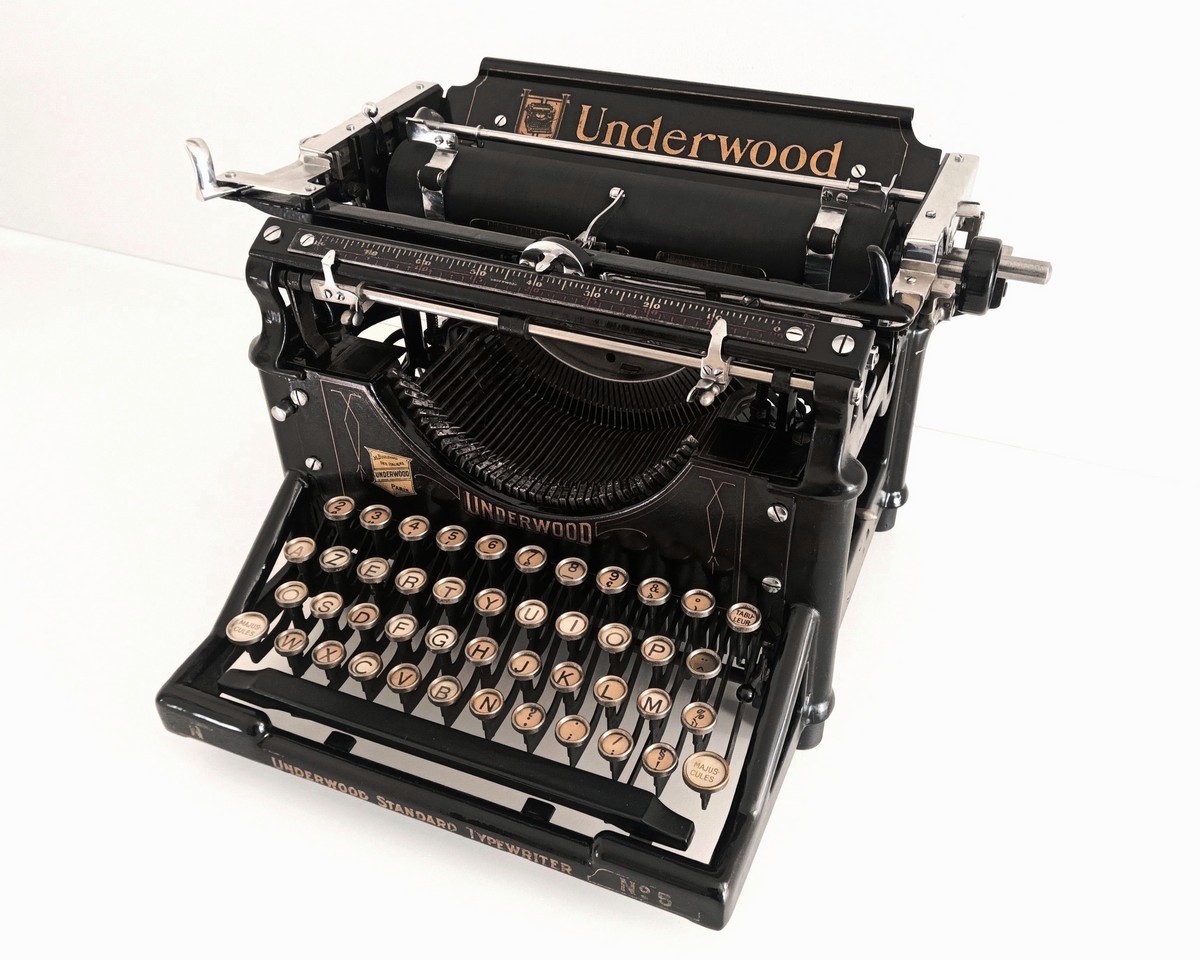
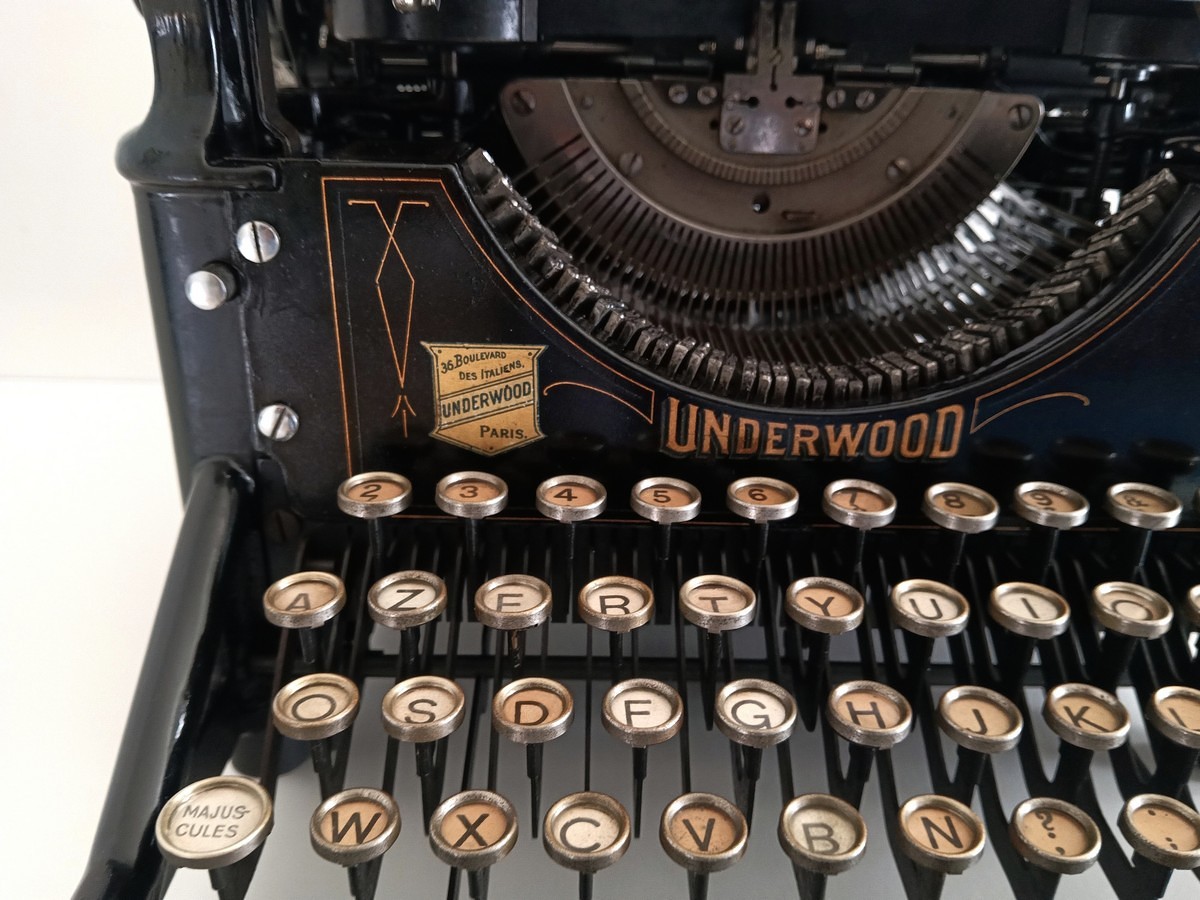
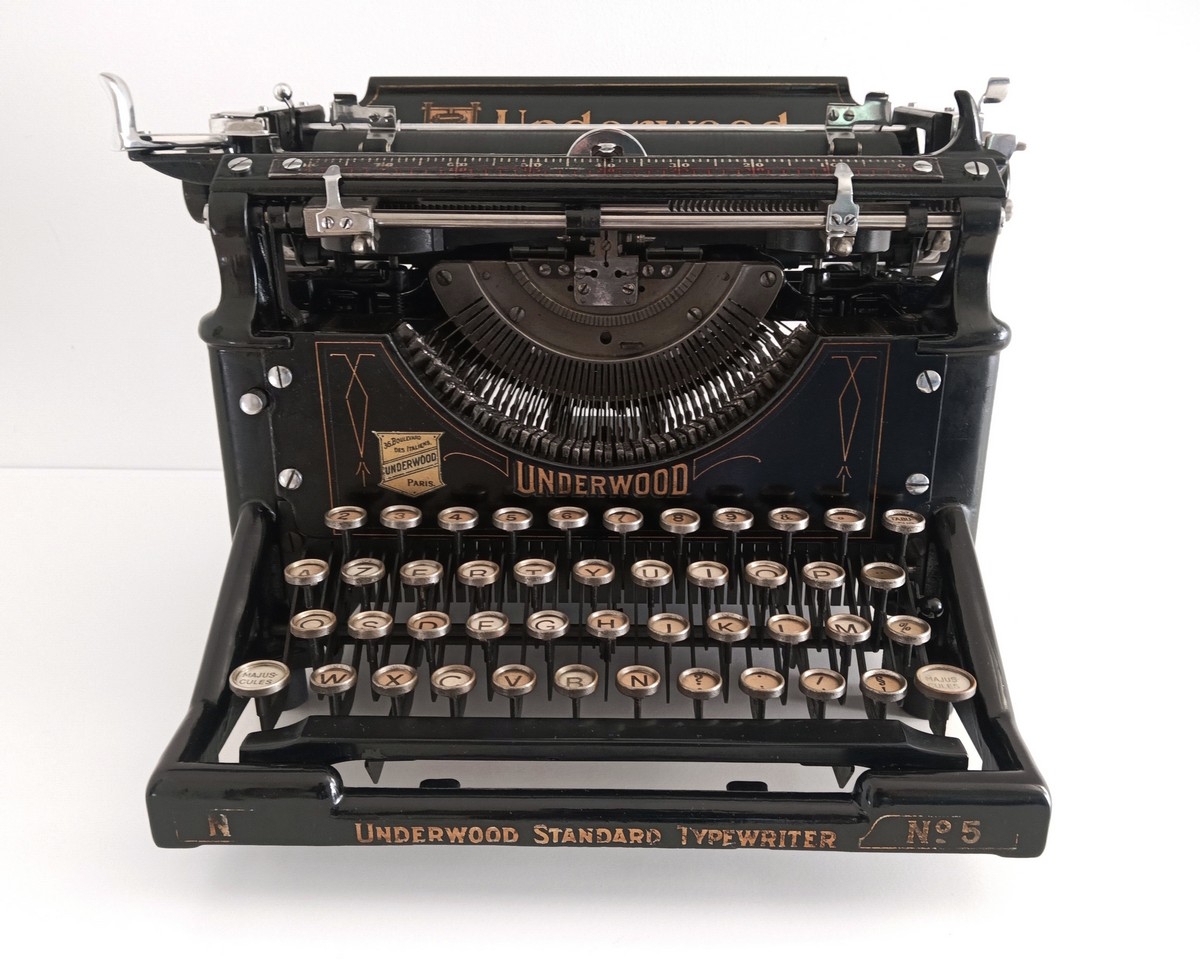
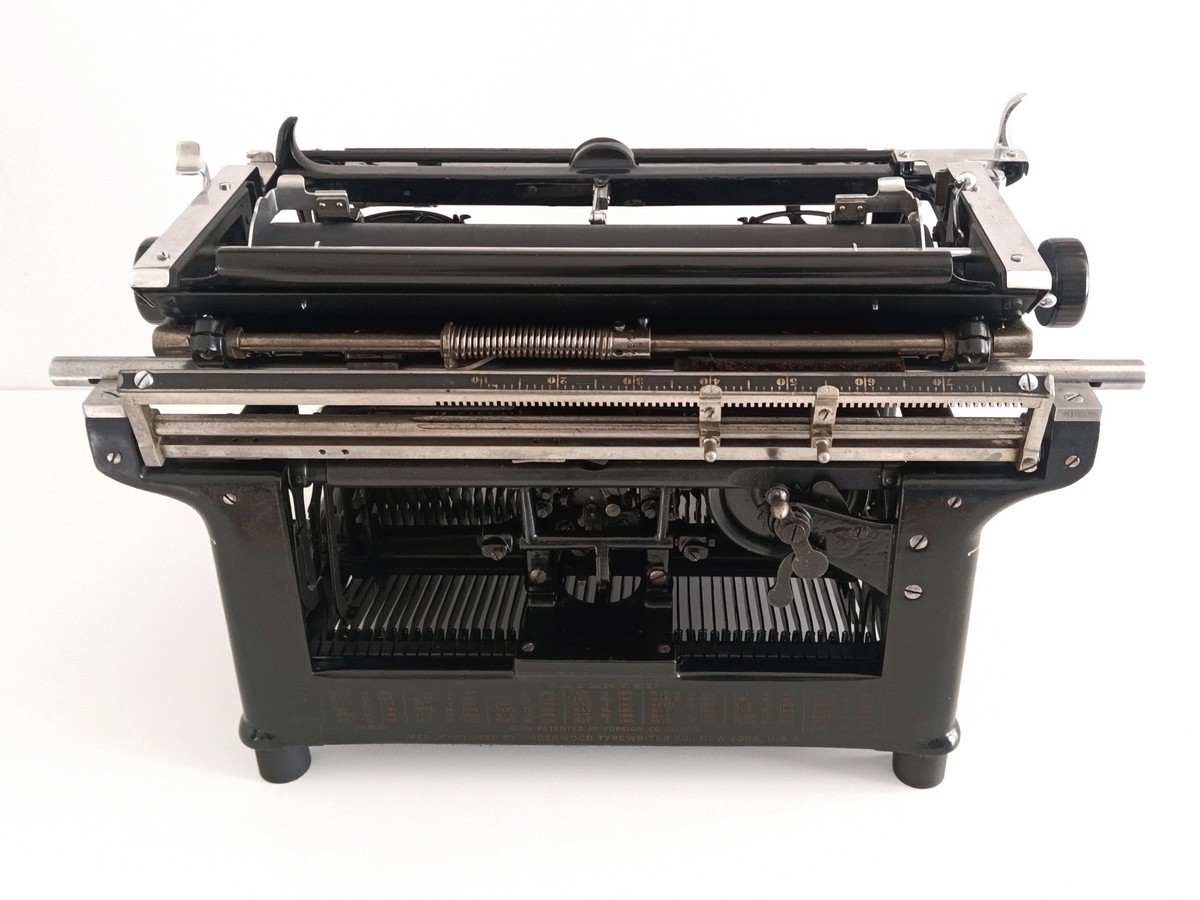


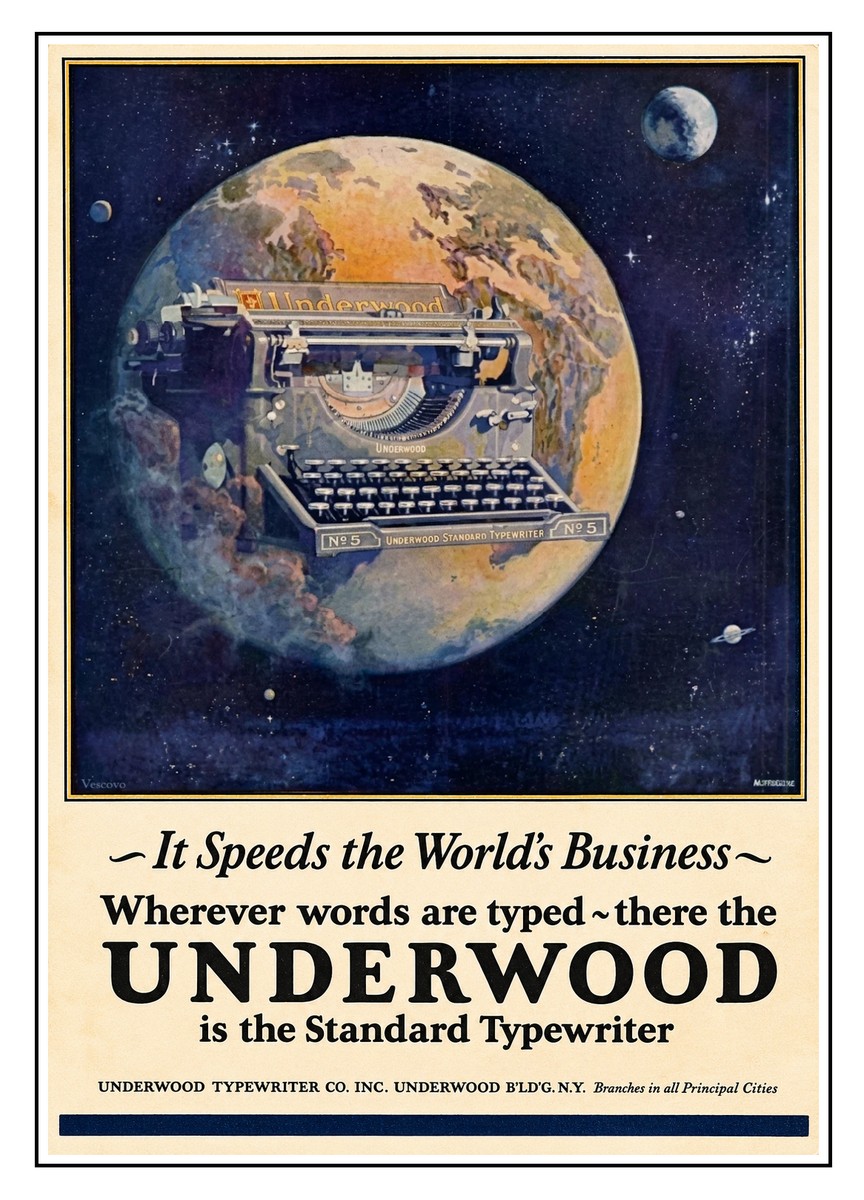
The Underwood No. 5 is undoubtedly the most successful model produced among standard typewriters. Its production began around 1900–1901 and continued at full pace until 1933, with nearly four million machines manufactured at the company's factories in Hartford, Connecticut (USA), and distributed throughout the world.
When it was introduced to the market, it was merely one of many models in the crowded field of typewriters available at the time. However, thanks to its distinctive features, its design was soon imitated or manufactured under licence by numerous other companies, becoming a true benchmark for the modern typewriter.
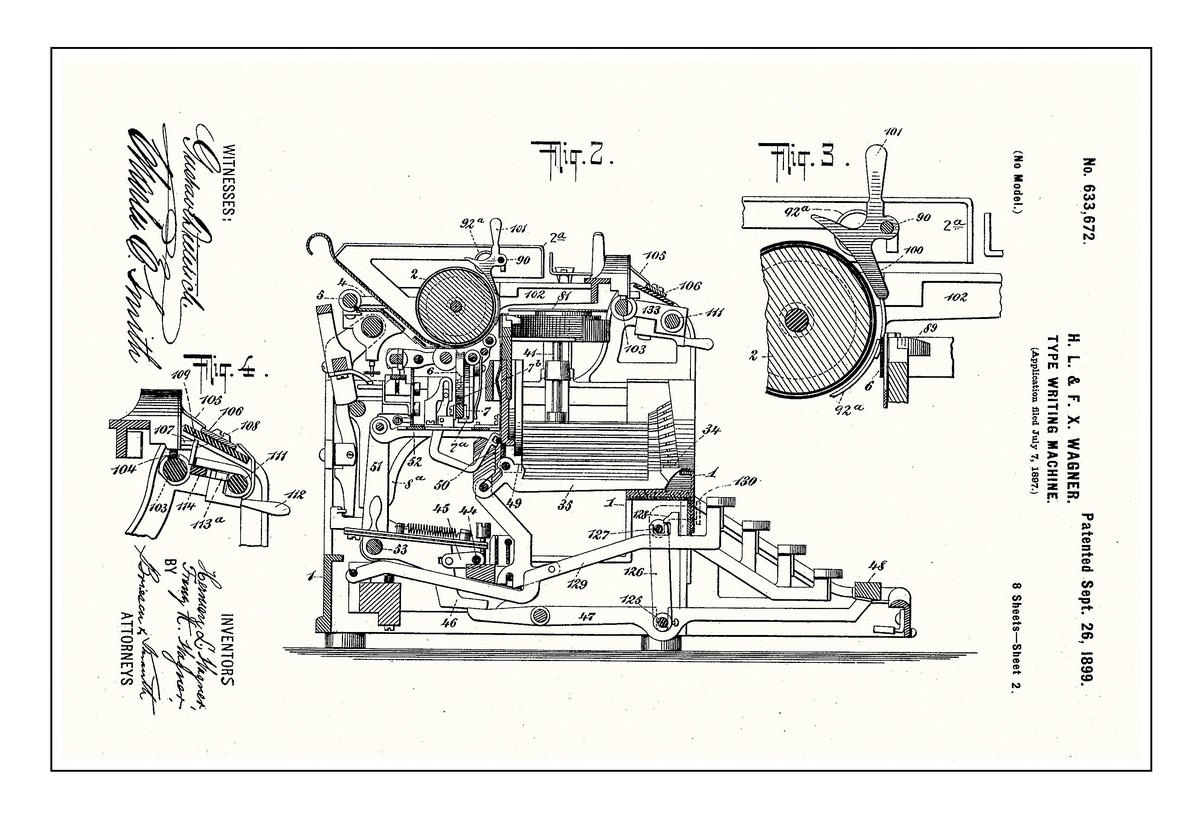
 The No. 5 was a refined development of its predecessor, the No. 1, patented by German inventor Franz Xaver Wagner in 1893 (U.S. Patent No. 523,698) and manufactured and marketed by Thomas Underwood. The Underwood family was already an established manufacturer of inked ribbons and carbon paper. According to a well-known anecdote, when the company decided to launch its own line of inked ribbons and carbon paper, Thomas Underwood reportedly replied: “Very well, then we'll build our own typewriter!”. When Franz Wagner approached him in search of financial backing, Underwood immediately recognised the remarkable commercial potential of his invention. He subsequently began large-scale production, transforming his company within just a few years into the world's largest typewriter manufacturer.
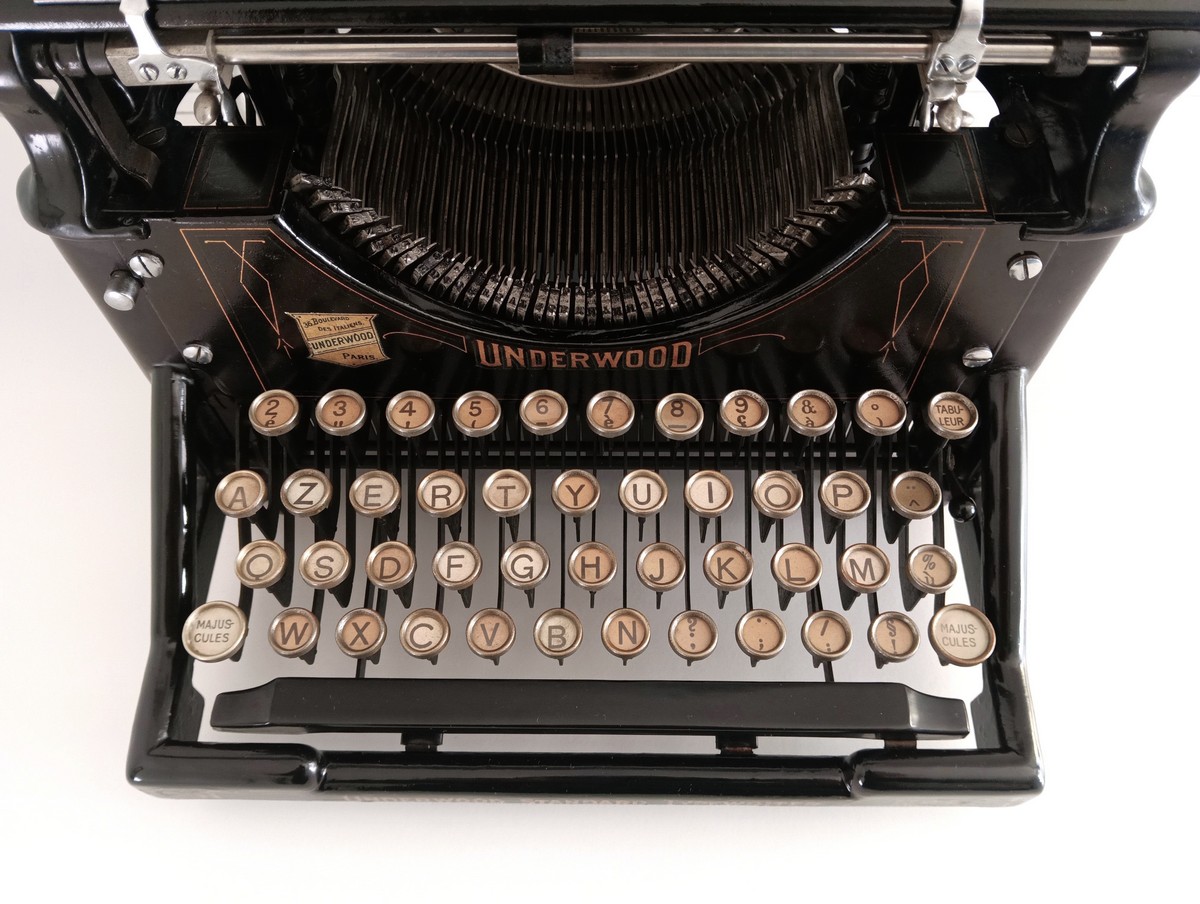
The design was truly visionary, already incorporating all the features we now associate with a modern typewriter. Let's take a closer look at them: visible writing, a fast, all-steel typebar mechanism, a reduced keyboard made possible by the shift key, the standard QWERTY layout, ribbon-based inking, stamped-steel typebars sliding through the slots of the type guide, and a typebar stop mechanism designed to produce sharper, more clearly defined characters.
As for its main competitor, Remington, it was not until 1922 that the equally renowned American manufacturer introduced a machine incorporating all the distinctive features of the Underwood: the Remington No. 12, almost 30 years after Wagner's original patent!
Today, the Underwood No. 5 is one of the most frequently used typewriters in film, television and video game productions. The reason is simple: anyone who sees it recognises it as a typewriter. Show the same person a Hammond or, for example, an A&G Mignon, and they would be far less likely to recognise either as a typewriter.
The almost indiscriminate use of this model in period productions sometimes leads to glaring historical inaccuracies. One of the most striking examples can be found in the opening scene of the film Sherlock Holmes: A Game of Shadows. The story is set in 1891, yet the machine used by the actor — almost identical to an Underwood No. 5, but even more recent — is actually a 1933 Underwood No. 6! More than forty years of historical anachronism in a single scene! It would be rather like having the protagonist of Breakfast at Tiffany's, set in the early 1960s, using an iPhone...
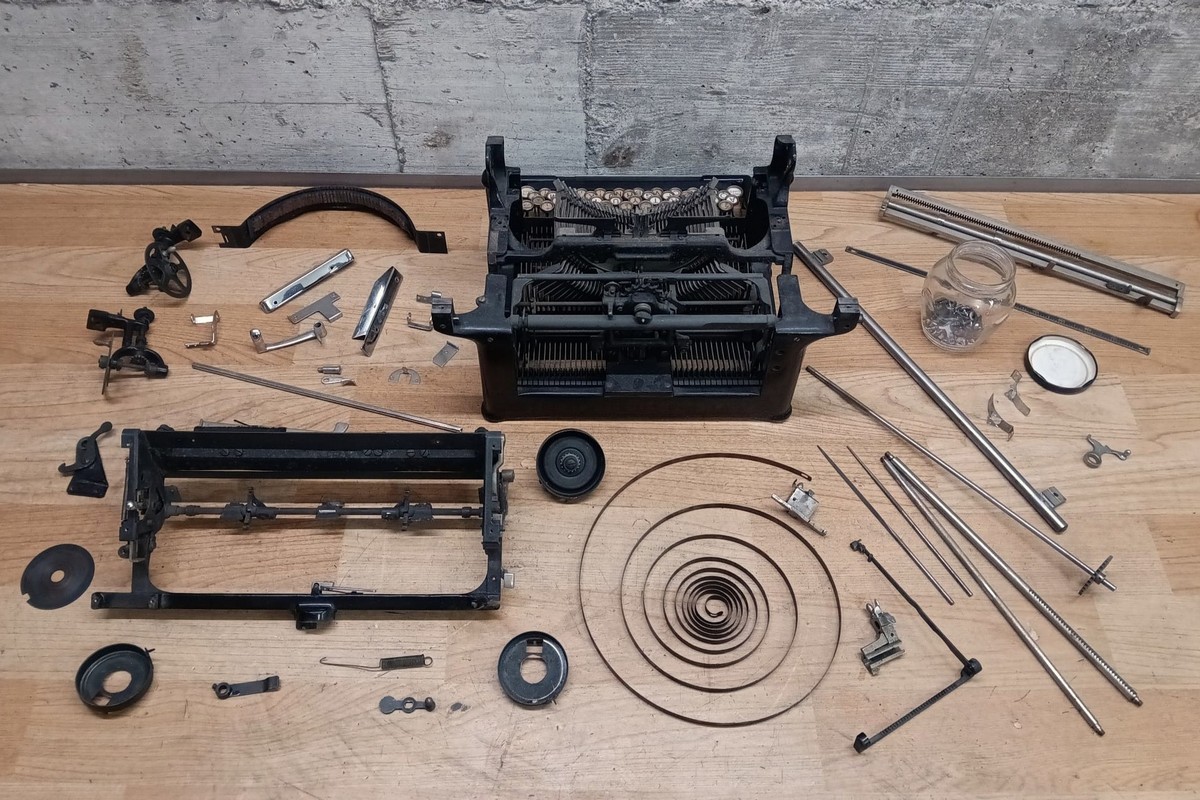
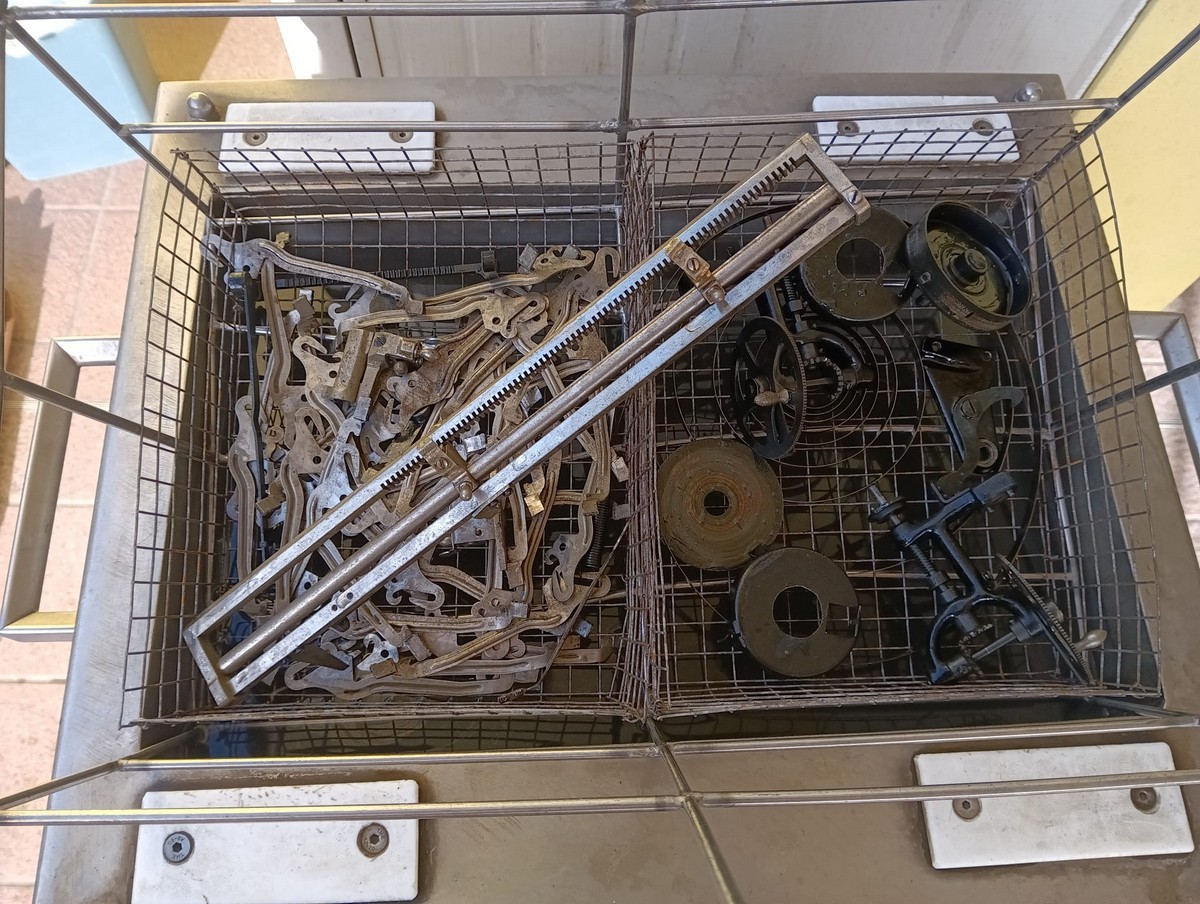
The complete restoration of a typewriter begins with its disassembly, followed by a thorough cleaning of all mechanical components, first in an ultrasonic bath and then by rinsing with a petroleum-based solvent.
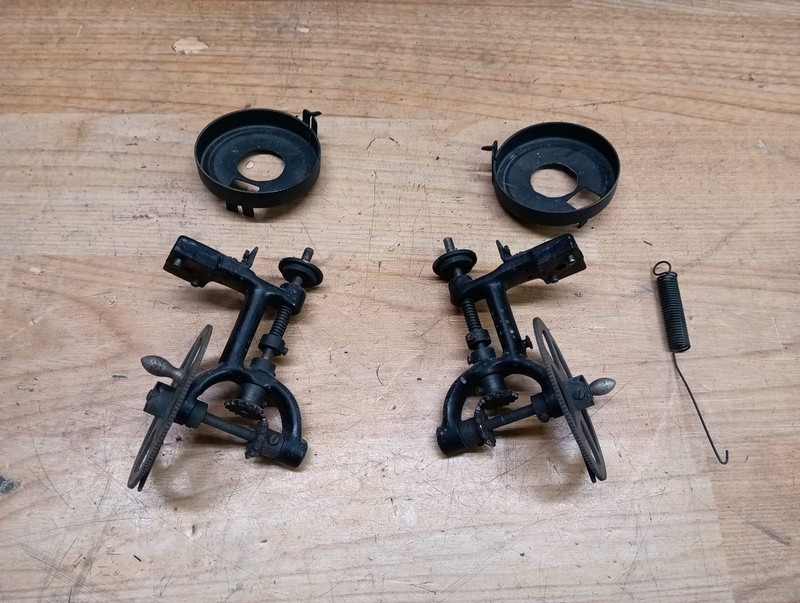
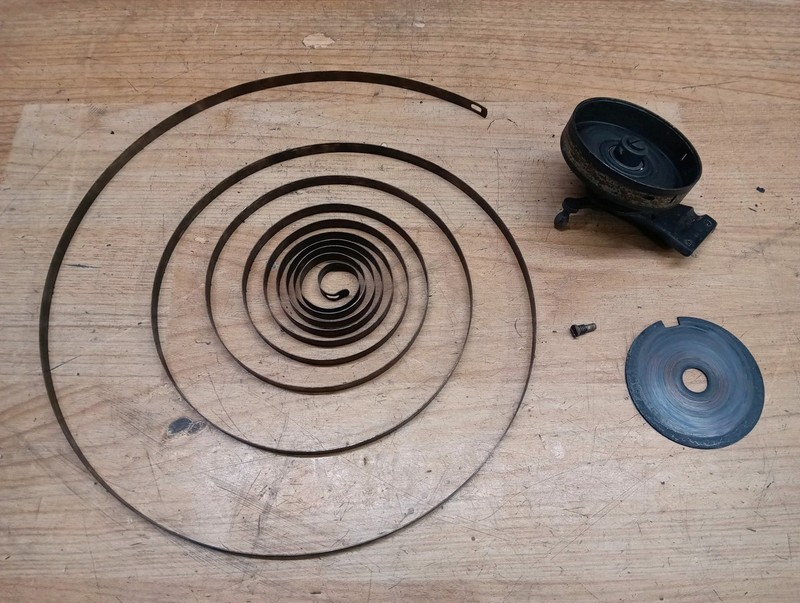
Once cleaned, each component is carefully dried and reassembled. The internal mechanism is then precisely lubricated at the required points to ensure optimal performance. The mainspring is also disassembled, cleaned and reassembled with fresh grease to ensure consistent tension and smooth carriage movement.
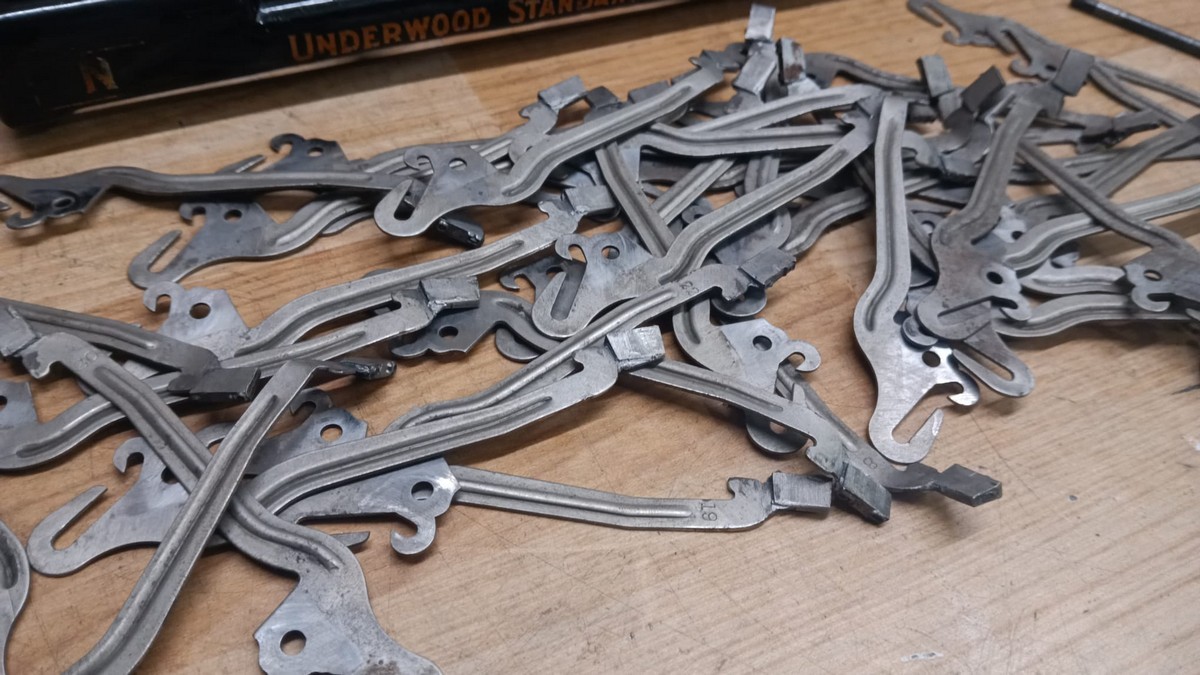
The machine then undergoes a complete adjustment process, including fine-tuning of the typebar mechanism, ribbon lift and alignment of uppercase and lowercase characters. Components subject to natural wear, such as the inked ribbon, rubber parts, carriage drawband and any weakened springs, are replaced with new ones.
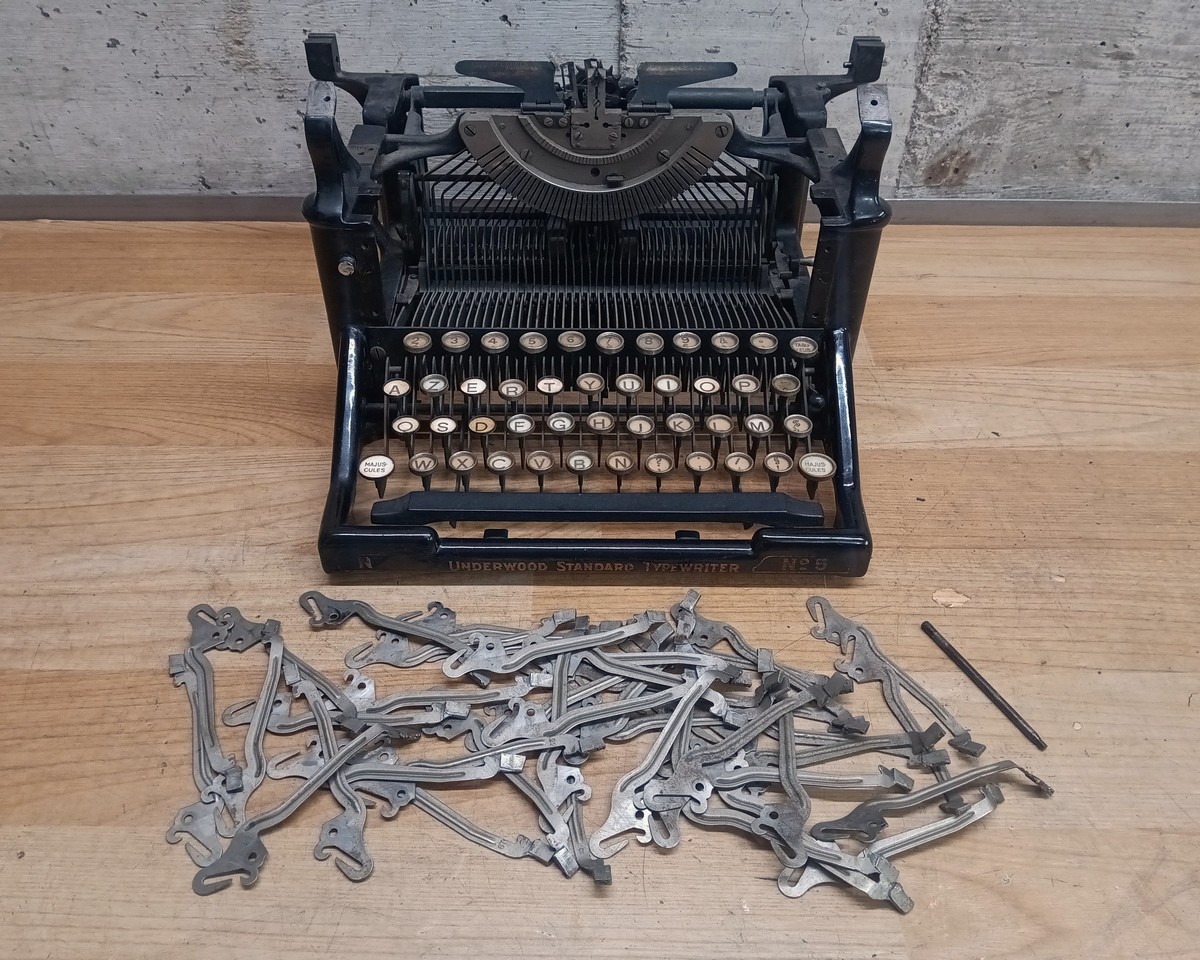
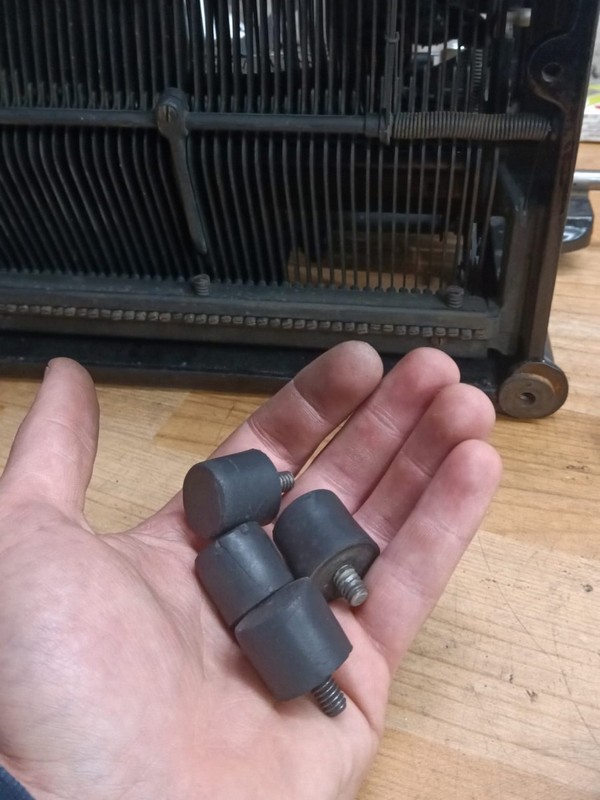
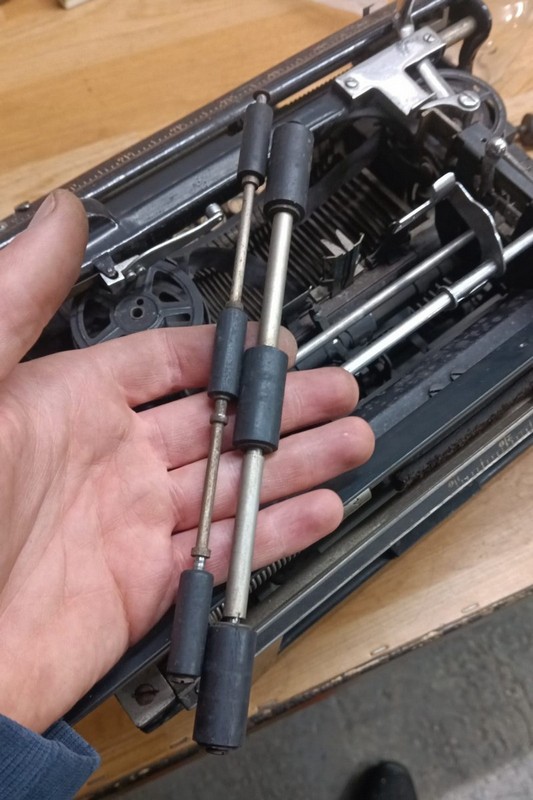
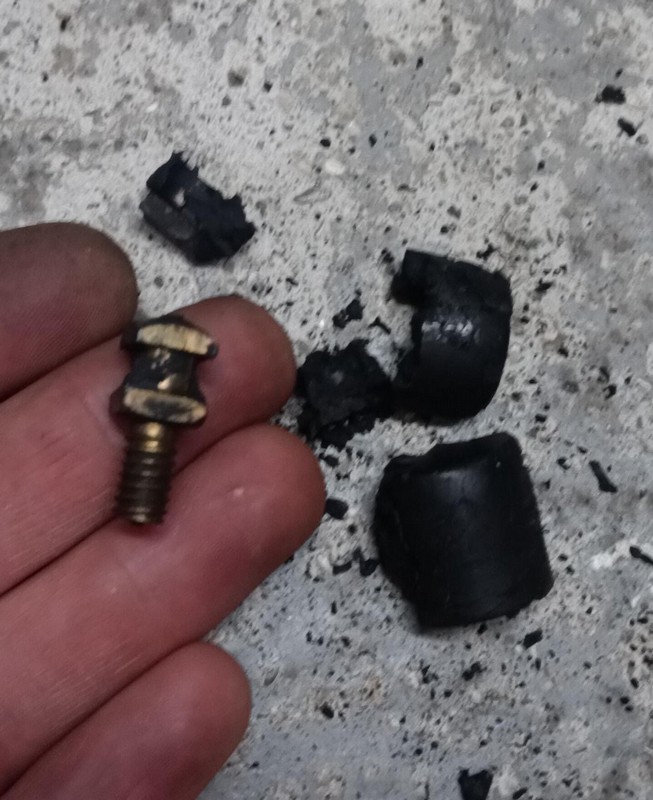
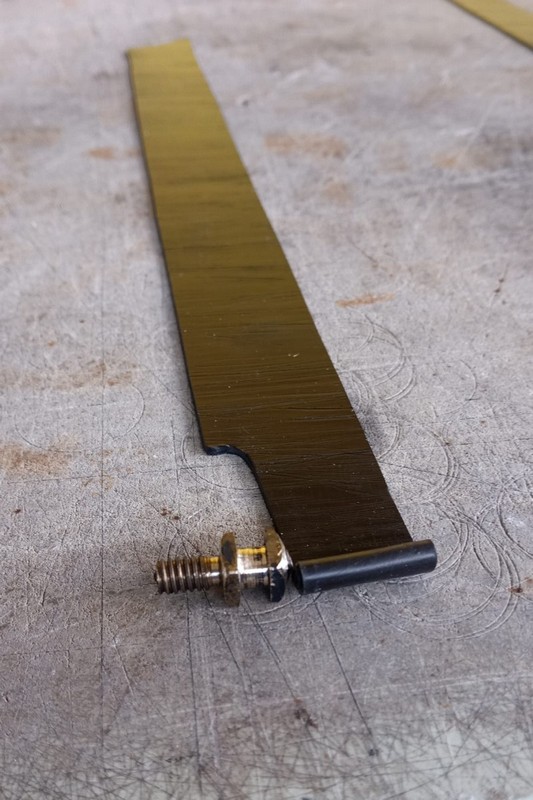
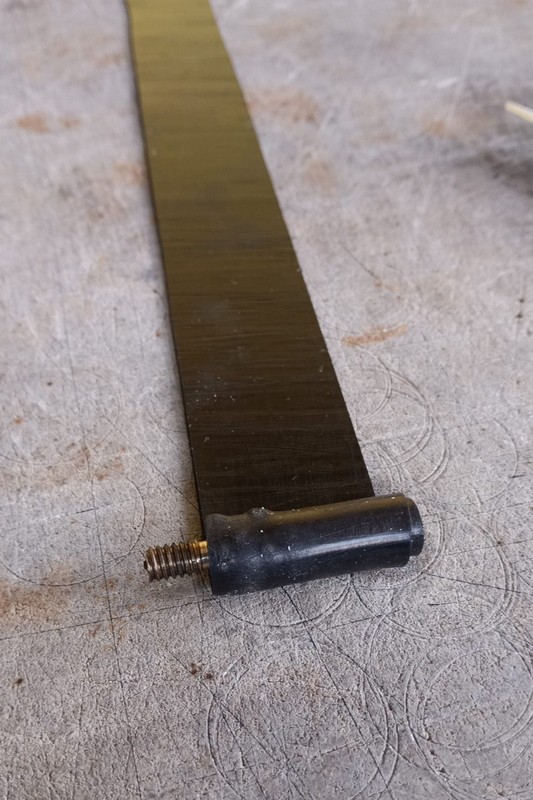
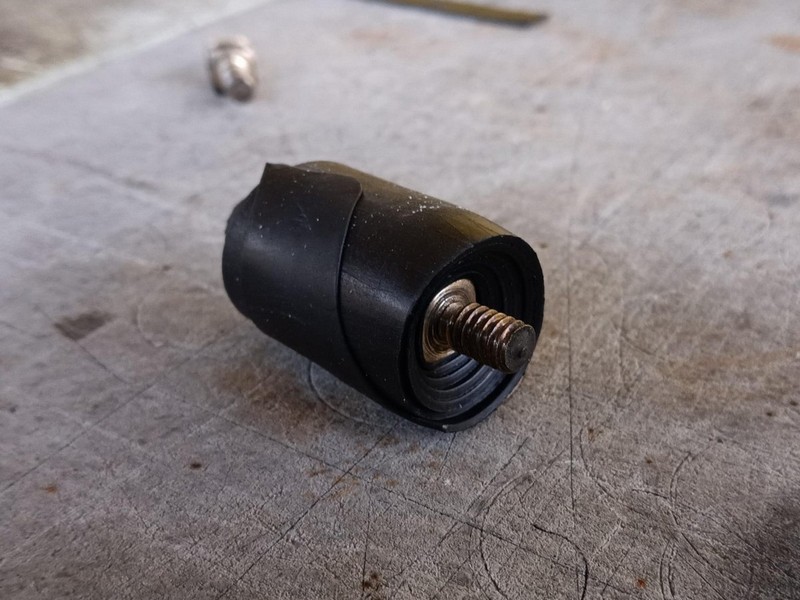
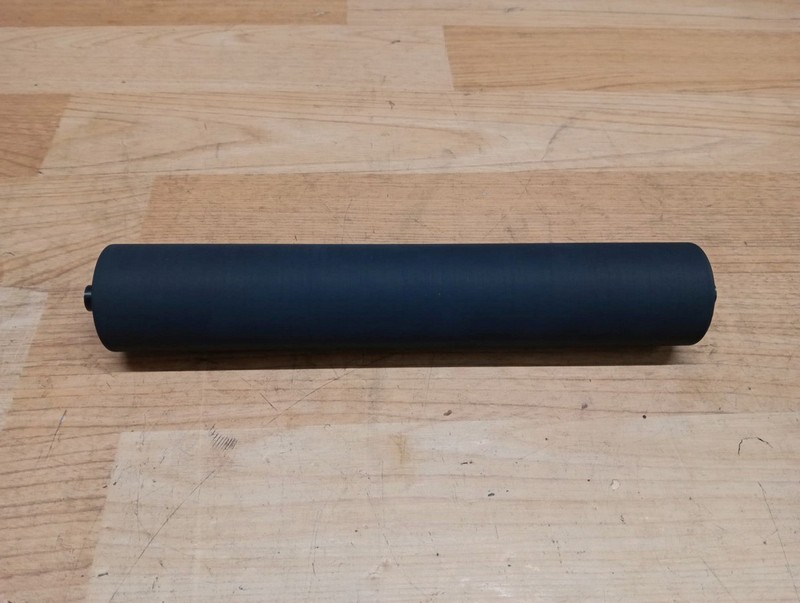
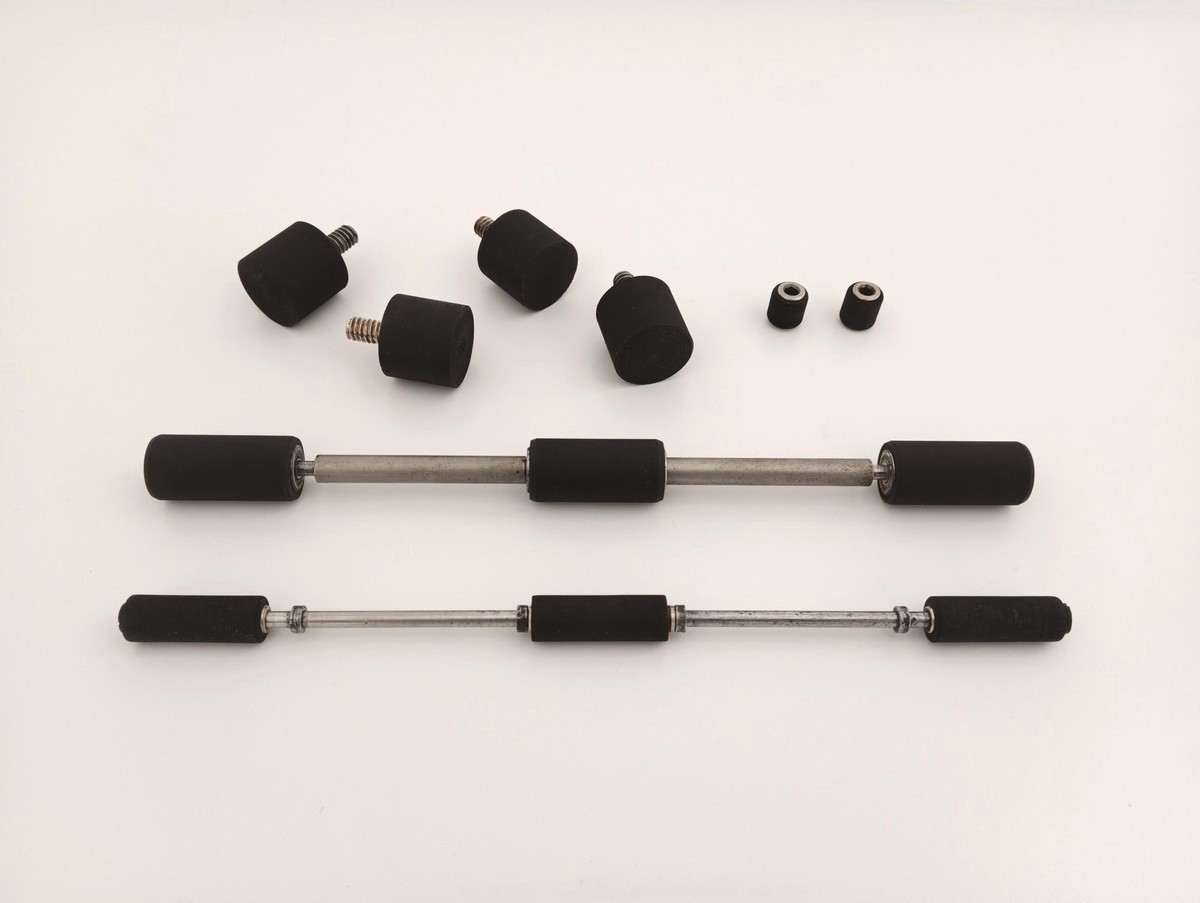
To restore an Underwood No. 10 to perfect working condition, it is essential to rebuild its various rubber components, which tend to harden over the years and, in some cases, crumble completely. The feet, main platen and paper feed rollers, both lower and front, all need to be renewed. This is made possible by the experience and specialist equipment available in the workshop. For further information about platen and feed roller reconditioning, please visit this page.
To remove dirt accumulated over decades of neglect, traditional methods such as petroleum solvent and brush cleaning are often insufficient. Dried correction fluid, eraser residue, hardened grease and biological deposits require a more effective approach. For this reason, a custom-built ultrasonic cleaning tank, specifically designed for typewriter restoration, is used. Its operation is based on cavitation: high-frequency sound waves generate microscopic bubbles that implode upon contact with the components, producing a powerful mechanical cleaning action combined with the degreasing effect of a mild soapy solution. By using biodegradable detergents, the process also maintains a low environmental impact. After cleaning, all components are rinsed in white petroleum spirit to remove residual moisture and prevent oxidation before lubrication and reassembly.
In some cases, the original paintwork of an Underwood Standard No. 5 may be in poor or even very poor condition, with extensive scratches, oxidation and areas where the finish has been completely lost. When it is no longer possible to preserve the original coating, the affected parts must be carefully stripped, prepared and professionally repainted. This work involves a considerable amount of additional labour, as numerous mechanical components must first be disassembled and subsequently reassembled and adjusted.
The gold decals are an important part of the machine's appearance and include the distinctive Underwood lettering and associated decorative details. Whenever repainting is necessary, these graphics must be accurately reproduced and applied as water-slide decals, preserving their original proportions, positioning and appearance as closely as possible.
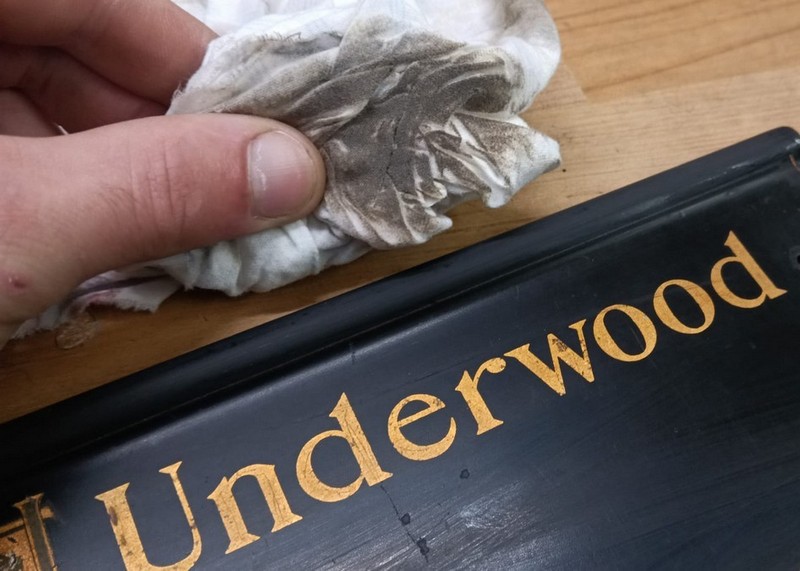
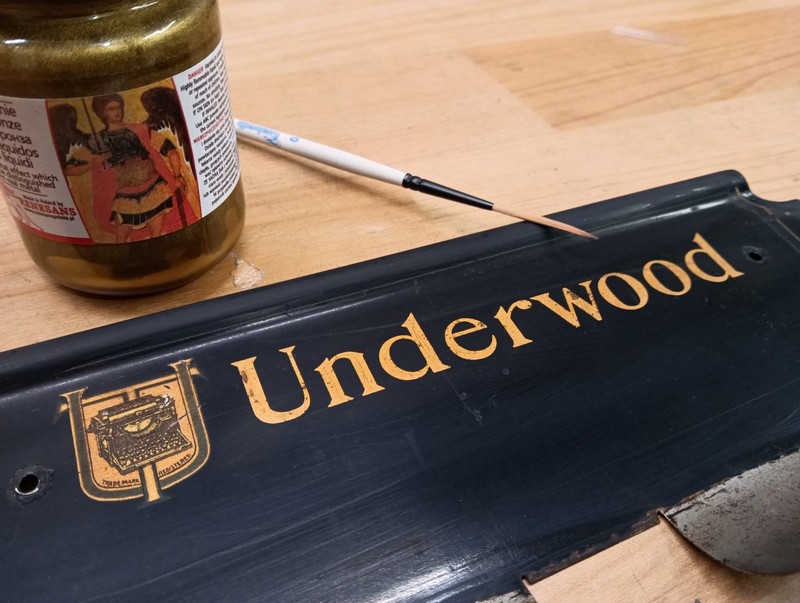
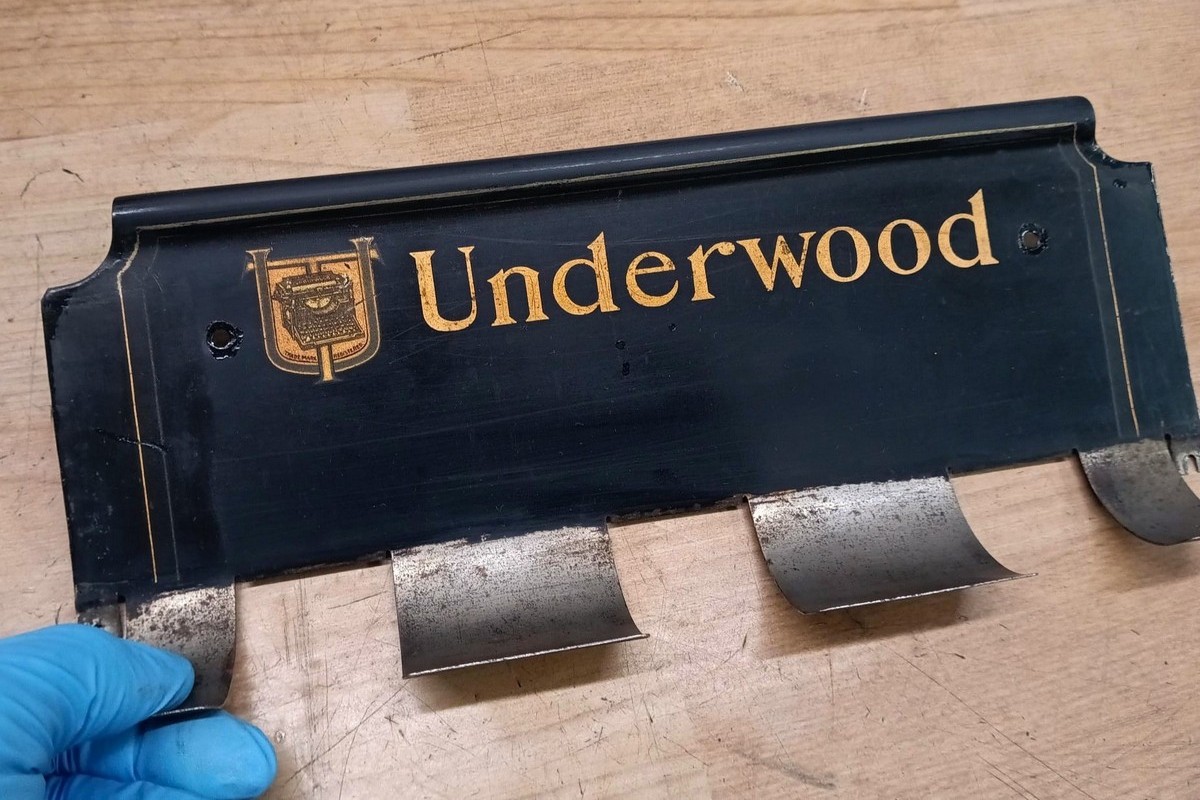
In this particular restoration, however, a 100% conservation-based approach was adopted, with only a few minor touch-ups. The original decals were then protected for years to come with a clear protective coating specifically formulated for restoration work. A few small details were also carefully reinstated, including the gold pinstripe on the paper support, which was restored to match the original as closely as possible.
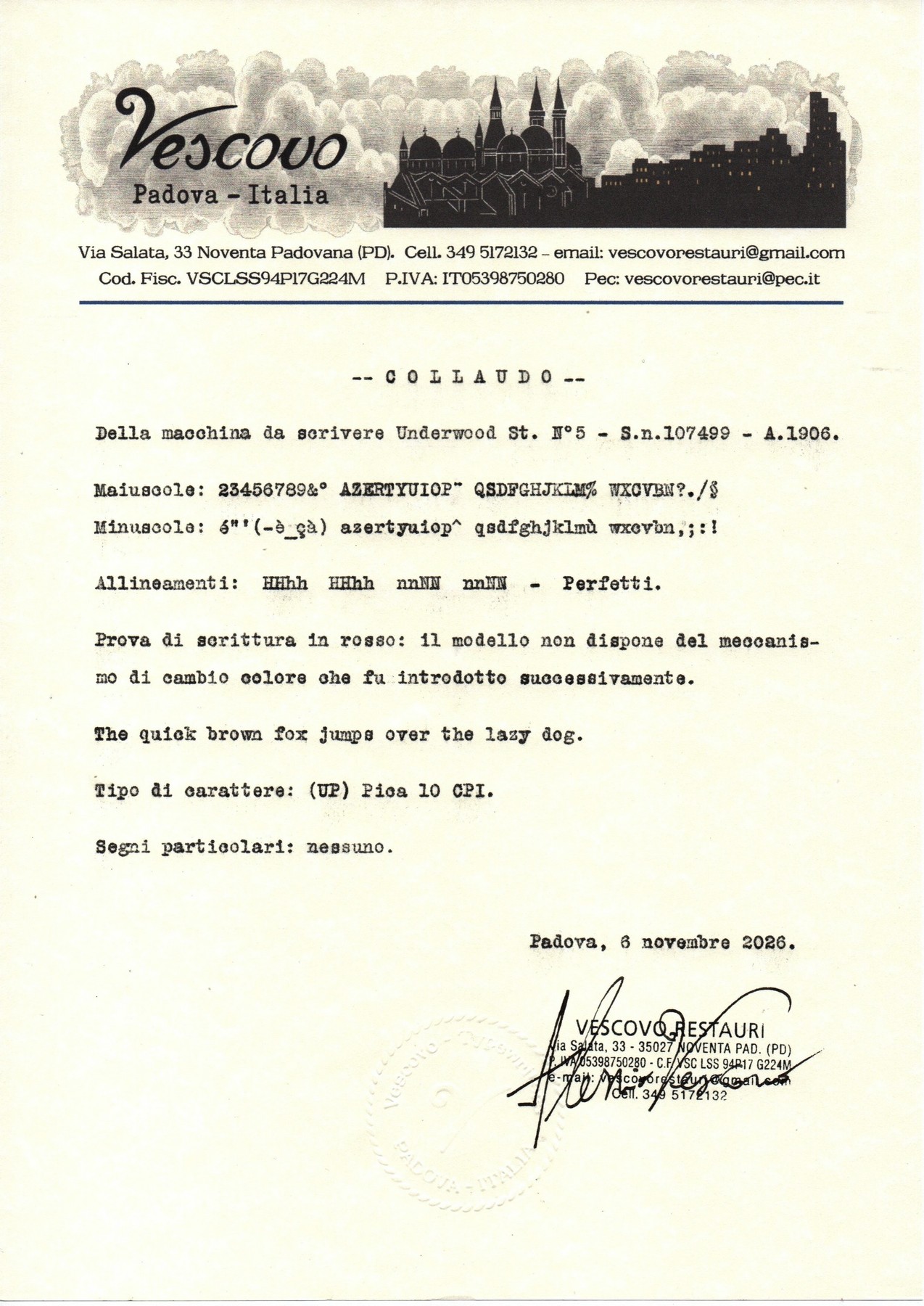
Upon completion of the restoration, the typewriter undergoes a comprehensive functional test. A final certificate is then issued, typed on the machine itself, signed and stamped as a guarantee of the work carried out.